Vikrant A.

My primary mission is to elevate shared service centers into high-performing, strategic hubs that drive measurable value and efficiency. With over 20+ years of experience, mostly establishing and transforming shared service setups, I combine operational excellence frameworks with a holistic leadership style to turn these centers from cost centers into engines of sustainable growth. Backed by a background in product development and digital marketing—where I’ve spearheaded lead generation, boosted online presence, and grown top-line revenue—I offer a unique perspective that aligns operational improvements with broader business objectives. Through integrity, transparency, diversity, and collaborative team cultures, I ensure that every shared services initiative not only enhances bottom-line performance but also contributes meaningfully to the overall success and scalability of the organization.

Two businesswomen enjoy a coffee break and conversation in a modern office setting.

Mastering Professional Networking for Strategic Success in Shared Services

Ever felt that sinking feeling when you step into a room full of strangers? Networking can be a minefield, especially in shared services where relationships can make or break your strategic success. You’re not just there to shake hands and collect business cards; you’re seeking to create partnerships that drive transformation, efficiency, and innovation. I’ve been in this industry for over 20 years, helping organizations set up and lead large-scale shared service centers. And let me tell you, the power of a strong network is something I rely on. So, how do you build that network? Let’s break it down. 1. Unleash Your Authentic Self Before you even think about what to say or how to act, take a moment to embrace who you are. No need for a façade. People connect with authenticity. Share your story—what brought you into shared services? Be honest about your challenges and victories. Express what you’re passionate about in your job. If you’re real, people resonate with that. They’ll remember you, and you’ll stand out in the sea of faces. 2. Be Proactive, Not Reactive Waiting for people to approach you is like expecting a bus that’s never coming. Get proactive about your networking! Join relevant industry events—the shared services conferences, webinars, and local meetups. Engage in online forums and discussions. Connect with colleagues and fellow professionals on platforms like LinkedIn. It’s about putting yourself out there and having that first conversation. I remember my first big networking event—nervous jitters and all. But it’s in those conversations that doors began to open for me. 3. Build Relationships, Not Transactions No one wants to feel like just another contact in your phone. Focus on developing genuine relationships. Ask questions about their work and listen actively. Follow up with a simple message or even a coffee invite if you hit it off. We’re in shared services for the long haul—these connections can become invaluable resources in your career. 4. Give Before You Get Our industry thrives on collaboration. What you can offer is just as important as what you can gain. Share your knowledge—host a workshop or write a blog post. Offer to introduce two connections who could benefit from knowing each other. Be the guy who volunteers for projects—let your reputation precede you. For me, diving into community-building efforts has translated into powerful connections that have propelled my career forward. 5. Leverage Social Media If you’re not online, you’re missing out. Platforms like LinkedIn can amplify your networking game. Post updates about your projects and milestones. Engage with others’ posts—comment, share, and connect with insights. Join groups focused on shared services and participate in discussions. People crave interaction, and being active in these spaces keeps you top of mind. 6. Set Clear Goals Approaching networking without purpose is like wandering in the dark. What do you want to achieve? Identify key individuals you’d like to connect with. Set a target for how many new connections to make each month. Track your conversations and follow-ups; consistency is key. Being strategic about your networking efforts turns them into actionable results, making each connection count. 7. Attend Workshops and Training Knowledge is a magnet. People gravitate towards those who are informed and competent. Seek out professional development opportunities. Engage in workshops that align with your career goals. Network with attendees—these may be your future partners or collaborators. I’ve gained incredible insights and lasting friendships through these shared learning experiences. 8. Embrace Diversity Don’t limit your network to just those within your immediate field. Diversify by reaching out to professionals from various backgrounds. Explore other functions within your organization. Attend cross-industry events—different perspectives often lead to innovation. You never know where your next idea or collaborative project will come from. Your Network is Your Net Worth In the world of shared services, it’s not just about what you know but who you know. A well-rounded and engaged network can lead to strategic success, be it through shared services transformation or process optimization. The relationships you cultivate are the stepping stones in your journey. Remember, it’s not just about building a list of contacts but nurturing relationships that are mutually beneficial. As you work towards mastering professional networking for strategic success in shared services, stay true to yourself, embrace your authenticity, and keep giving value. You’d be amazed at how much this approach can advance your career and create a robust support system around you. For more insights on building your career in shared services, transformation, and leadership, head over to THEGBSEDGE blog. It’s a treasure trove of knowledge, started by me, Vikrant Aglawe. I say this with confidence—it’s about crafting connections, driving transformation, and embarking on a journey that’s not just professional but personal. Let’s get out there and start networking!

Mastering Professional Networking for Strategic Success in Shared Services Read More »

A business meeting with two professionals discussing data on laptops with charts displayed.

Navigating Succession Planning for Essential GBS Leadership Roles

So let’s be real for a minute. When you think about succession planning for those critical leadership roles within your Global Business Services (GBS), what pops into your head? Stress? Confusion? The feeling that you’re trying to solve a Rubik’s Cube blindfolded? You’re not alone. It’s a maze out there, full of twists and turns. As someone who’s been around the block a couple of times in this world—having set up and managed large-scale shared service centers for different global organizations—I can tell you that the stakes are high. It’s not just about plugging in a new leader when the old one rides off into the sunset. We’re talking about maintaining stability, ensuring continuity, and pushing the needle forward. We want to thrive, not just survive. Understanding the Importance of Succession Planning First up, let’s break it down. Here’s why succession planning is non-negotiable: Business Continuity: Without a rock-solid plan, a leadership gap can cause chaos. Think of it as trying to steer a ship without a captain. Talent Development: Investing in your people means you’re getting them ready to step up when the time comes. It’s like planting seeds today for tomorrow’s harvest. Organizational Stability: A well-prepared team can pivot and adapt, minimizing disruptions when changes occur. But here’s the kicker: Getting everyone on board isn’t a walk in the park. There’s often pushback and doubts. “Why should I invest time in grooming someone for a role they might not even get?” Believe me, I’ve seen that argument play out way too often. Creating Your Succession Plan Let’s roll up our sleeves and get into the nitty-gritty of crafting a succession plan. Here’s how to do it: 1. Identify Critical Roles Not every position needs a backup. Focus on these: Leadership roles directly influencing outcomes. Key subject matter experts vital to day-to-day operations. Positions tied to critical relationships with clients and stakeholders. 2. Assess Your Current Talent Have honest conversations about your team’s strengths and weaknesses. Create a “Talent Inventory” to gauge who’s ready to step up: What skills do they bring? How do they perform under pressure? Can they lead and inspire others? 3. Develop Training and Mentorship Plans This is hands-on time. Getting someone ready for the next step might involve: Job shadowing current leaders. Formal training programs focusing on skills gaps. Building a mentorship culture—senior folks sharing their knowledge. 4. Regularly Review and Update Life changes, and so should your succession plan. Make it a priority to review it regularly: Quarterly or bi-annual check-ins. Adapting to changes in the business environment. Retaining flexibility to pivot when new challenges arise. Real-World Examples Here’s a story for you. A major company I worked with faced a leadership vacuum when their head of operations left unexpectedly. There was a mad scramble to fill that role because, guess what? They hadn’t prepped anyone for it. It turned into a chaotic few months, with decisions made on the fly and trust issues cropping up all around. Contrast that with a similar organization that had a solid succession plan in place. They had identified potential leaders months ahead. When their operations lead left, they smoothly transitioned someone from their talent pool who was already integrated into the leadership framework. It was seamless and, honestly, a lot less stressful for everyone involved. Encouraging a Culture of Success Creating a culture that values succession planning is key. It can’t be just an HR initiative; it needs buy-in from everyone in the organization. Here are some tips to encourage that culture: Communicate its importance clearly and consistently. Highlight success stories within your organization. Make it part of performance evaluations and career development pathways. You might even consider engaging in people and culture initiatives that emphasize team growth and leadership development. The Road Ahead Look, the journey isn’t always easy. Succession planning for essential GBS leadership roles takes time and effort—but the payoff is immense. If you want to stay ahead of the game, now’s the time to start building those future leaders. Think about all those skills and insights you’ve accumulated over the years. Don’t just let them walk out the door when someone moves on. Scout, develop, and nurture talent that will keep your organization thriving. Final Thoughts Succession planning doesn’t have to feel overwhelming. Start small, take actionable steps, and involve your team. This is about building a legacy of leaders who can keep driving shared services transformation forward. Feeling lost or need more insights? Check out THEGBSEDGE blog. It’s packed with leadership strategies to help you on your journey. And remember, this isn’t just about finding any replacement. It’s about setting the right people up to win. So start thinking about your next generation of leaders today, and let’s make it happen!

Navigating Succession Planning for Essential GBS Leadership Roles Read More »

Close-up view of a planner page with motivational text and colorful designs.

Mastering Goal Setting Methods for Strategic Leadership Success

Have you ever felt overwhelmed by the myriad of tasks on your plate? Or found yourself lost in the chaos of leadership, questioning whether your goals align with your team’s capabilities? You’re not alone. Many leaders face the challenge of strategically setting and achieving goals. But here’s the kicker – mastering goal setting methods can turn the tide in your favor. What is Strategic Goal Setting? Strategic goal setting goes beyond the conventional ‘set it and forget it’ mindset. It’s about creating a roadmap that not only outlines your objectives but also inspires your team to engage wholeheartedly. It’s about ensuring everyone understands their role in the journey. If you’ve ever led a project, you know that without a clear direction, progress falters. The Power of Alignment When I started my journey in the shared services industry, one thing became abundantly clear: alignment is everything. Here are some actionable insights based on my 20+ years of experience: Ensure goals are interconnected. Every goal should relate back to the larger company vision. Get input from your team. Engaging them in the process fosters ownership and accountability. Be flexible. Sometimes, markets change, and goals need to shift accordingly. SMART Goals: A Framework You Can Trust You’ve probably heard of SMART goals. This framework can be a game-changer when setting clear, actionable objectives: Specific: Define what you want to achieve. Measurable: Establish metrics to assess progress. Achievable: Set realistic goals. Relevant: Align with broader organizational objectives. Time-bound: Set deadlines to create urgency. Using this method can streamline your approach, bringing both clarity and focus to your leadership efforts. Strategies to Maintain Momentum Once you’ve set your goals, keeping that momentum going is crucial. Here’s how you can maintain enthusiasm in your team: Celebrate milestones. Acknowledge even the small wins to boost morale. Provide regular feedback. Constructive criticism can be a powerful motivator. Encourage transparency. Keeping communication lines open fosters trust and collaboration. Stay adaptable. Don’t be afraid to tweak goals as new challenges arise. Creating a Culture of Accountability Accountability is the bedrock of success in goal setting. It ensures that everyone, from associates to specialists, understands their responsibilities. Here are a few ways to cultivate this culture: Assign clear roles and responsibilities. Host regular check-ins to discuss progress and roadblocks. Use performance metrics to track outcomes. These tactics help keep your team focused and empowered. Leveraging Technology for Goal Tracking In today’s tech-driven world, utilizing tools can streamline your goal-setting process. Consider these options: Project management software like Trello or Asana can help track objectives in real time. Dashboards for visual metrics keep everyone informed and engaged. Communication tools like Slack foster collaboration and sharing of updates. Storytime: My Goals Gone Wrong Let me share a story. Early in my career, I managed a large-scale shared service center. We had ambitious goals – but we made one critical mistake. We didn’t involve the team enough in the goal-setting process. As a result, motivation plummeted. I realized that without team buy-in, goals meant nothing. We revamped our approach, seeking input at every stage, and the turnaround was incredible. The results were telling. Engagement surged, and we soared past our targets. The Importance of Reflection Reflecting on your progress is as crucial as setting the goals themselves. Ask yourself: What’s working? Celebrate those successes! What isn’t? Don’t shy away from adjusting your goals or strategies. This practice not only drives continuous improvement but also keeps you grounded in your leadership journey. Conclusion: Lead with Purpose Mastering goal-setting methods isn’t just a task; it’s a continuous journey. As leaders, our role is to guide our teams with clarity, purpose, and vision. By implementing these strategies, you’re well on your way to ensuring your leadership is not just effective, but transformative. If you want to dive deeper into shared services transformation and leadership, check out THEGBSEDGE, where we cover more on these topics and share valuable insights. Remember, mastering goal setting methods is not just about crossing off boxes; it’s about fostering a culture of excellence and empowerment.

Mastering Goal Setting Methods for Strategic Leadership Success Read More »

Professional woman writing notes while working in a contemporary office environment.

Crafting Your Personal Development Plan for Team Success

We all know the struggle, right? You’re in a meeting, the boss is talking strategy, and all you can think about is your own career. What’s next for you? How do you fit into the grand plan? We want to be part of something bigger, but let’s be real: personal growth is hard. It feels daunting to balance your ambitions while also supporting your team’s success. So, let’s break this down. Crafting a personal development plan (PDP) that aligns with team goals isn’t just a checkbox exercise. It’s your ticket to being not just a player but a star on your team. When your team thrives, so do you. That’s the magic of shared services transformation. You contribute your skills, learn new ones, and become a vital part of a winning team. Setting the Scene Think about your role for a minute. Are you an associate looking to level up or a process expert who wants to become a go-to resource? Whatever your position, you have potential waiting to be tapped. The first step? Understanding your current skills and where you want to go. This isn’t some corporate checkbox; this is about you, your career, and your team. Identify your strengths. What do you bring to the table? Recognize your weaknesses. What skills do you need to develop? Envision your goals. Where do you want to see yourself in the next year? Your PDP is about creating a roadmap—a plan tailored to boost both your career and the team’s success. It’s not about being what anyone else wants you to be; it’s about harnessing your unique talents and putting them to good use. Goals: More Than Just Buzzwords Now let’s talk about goals. Everyone loves to toss around the term “SMART,” right? Specific, Measurable, Achievable, Relevant, Time-bound. But it’s more than just a formula. Your goals need to resonate with you and your team’s objectives. Here’s how to do it: Specific: Instead of saying, “I want to be better at my job,” try “I want to improve my project management skills by taking an online course.” Measurable: Define the metrics. “I’ll complete two projects using these new skills within the next six months.” Achievable: Don’t set yourself up for failure. Make sure your goals are realistic given your current workload and resources. Relevant: Connect your goals to the team’s needs. If your team is pushing for better customer experience, align your skills improvement accordingly. Time-bound: Set deadlines. “By the end of Q2, I’ll apply my new skills on a live project.” The clearer your goals are, the easier it’ll be for you to crack that personal development code and contribute to your team’s success. Learning and Development: Your Unique Journey The path to growth is never a straight line. Each associate, specialist, or super user has a different story behind their passion and career trajectory. You need to tap into that passion. How? Start with continuous learning—because trust me, the learning never stops. Consider these learning options: Online Courses: Platforms like Coursera or Udemy can be game-changers. Find courses in areas you’re curious about or skills you need to acquire to help your team. Mentorship: Seek out someone who’s been in your shoes. Learning from someone else’s journey can give you insights you won’t find in a textbook. Feedback: Don’t shy away from asking for feedback. It’s tough, but constructive criticism is gold when it comes to your growth. Each of these avenues can propel you forward while fortifying your team’s strengths. When you grow, your team grows with you. Creating an Action Plan Alright, we’ve talked about goals and learning. Now it’s time to put it all into action. An action plan helps you outline the steps necessary to achieve your goals. Here’s a simple way to create one: Break It Down: Take each goal and dissect it into smaller, actionable steps. This makes it less overwhelming. Set Deadlines: Assign timelines for each action step. This keeps you accountable. Regular Check-Ins: Schedule weekly or monthly check-ins with yourself. This helps you stay on track and make adjustments as needed. A simple action plan might look something like this: Goal: Improve Excel skills Action Steps: Enroll in an online Excel course next week. Set aside 30 minutes every Wednesday to practice. Use new Excel skills in my next project due in two months. Engaging with Team and Leadership Your personal development doesn’t exist in a vacuum. It’s crucial to engage with your team and leadership throughout this journey. Their insights can empower you in your growth. Plus, they’ll appreciate your efforts. Share Your Goals: Don’t be afraid to let your team know what you’re working on. Collaborate: Use your newfound skills to help others. Team success increases when we lift each other up. Solicit Feedback: Regularly check in with your manager about your progress and ask for their advice. This engagement not only strengthens your network but also positions you as an integral part of the team’s success story. Measuring Your Success So, how do you know you’re making progress on your PDP? You measure it, of course! Evaluating your progress is key to ensuring you’re headed in the right direction. Self-Assessment: Regularly review your goals and actions. Celebrate small wins to keep your motivation high. Feedback from Others: Check in with your mentor or leader for their perspective. Are they seeing changes in your performance? Revisit Your Goals: Goals can be fluid. If something isn’t working, it’s okay to revise them. The aim here is to ensure your personal growth aligns with team success, just as much as your team is aiming for shared services transformation. Your Role in Team Success Ultimately, crafting a personal development plan isn’t just about you; it’s about creating a ripple effect in your team. When you grow, you contribute to something more significant. It’s like a well-oiled machine where every part matters. Your journey inspires your colleagues to invest in their growth, too. By openly sharing successes, challenges, and lessons, you create

Crafting Your Personal Development Plan for Team Success Read More »

Elderly woman and young woman discussing fabric designs in a fashion meeting.

Harmonizing Generational GBS Teams for Optimal Performance

Imagine being in a room filled with bright minds from different generations, each with their own perspectives, experiences, and ways of working. It’s like a clash of titans, right? But here’s the kicker: within that chaos lies the magic of harmonizing generational GBS teams for optimal performance. As someone immersed in the shared services industry for over 20 years, I’ve seen firsthand how generational differences can either be a hurdle or a stepping stone. Let’s talk about this mix—how to work with it, how to embrace it, and most importantly, how to skyrocket performance through effective teamwork. Understanding the Generational Spectrum First off, let’s break it down. We’re looking at Baby Boomers, Gen X, Millennials, and Gen Z working side by side. Each group has its own rhythm, and understanding that rhythm is the first step to harmony: Baby Boomers: Typically values hard work, loyalty, and face-to-face interaction. They’ve seen the evolution of systems, and they often prioritize stability. Gen X: The pragmatic problem-solvers. They appreciate autonomy but also emphasize collaboration. They’re often considered the bridge between old-school approaches and modern innovations. Millennials: Tech-savvy and driven by a sense of purpose. They thrive on flexibility and social responsibility. Quick to adapt but might challenge the status quo. Gen Z: Digital natives. They expect technology and communication that’s fast and efficient. They’re focused on mental well-being and diversity. Now, notice how each of these generations comes with its own skill set? This is critical when we think about creating a cohesive team dynamic. Building Bridges Through Communication Communication is where many teams stumble, and honestly, that’s what often leads to misunderstandings. Here’s how to turn communication into your greatest ally: Regular Check-Ins: Schedule consistent team meetings to allow for open dialogue. This doesn’t have to be formal—think casual catch-ups where everyone can share ideas freely. Utilize Multiple Channels: Different generations prefer different communication methods. Some love emails; others thrive in instant messaging platforms. Find a balance that works for everyone. Feedback Culture: Constructive feedback from all levels fosters growth. Encourage an environment where feedback is seen as a form of support—not criticism. Effective communication is more than just exchanging words. It’s about understanding where everyone is coming from and meeting them there. It’s honestly a game-changer. Creating a Collaborative Environment Now, let’s shift gears and talk about collaboration. It’s about making connections happen. Here’s how to get everyone on the same page: Leverage Strengths: Identify the specific skills each generation brings to the table. Assign roles accordingly, ensuring everyone feels valued and relevant. Pairing Mentorship: Set up a mentorship program where older generations mentor younger ones and vice versa. Imagine the powerhouse combination of experience and fresh perspectives. Group Projects: Foster innovation by forming cross-generational teams on projects. Let creativity flow when different minds tackle a common challenge. When everyone collaborates, ideas germinate, and performance skyrockets! Adopting Flexibility and Adaptability In today’s world, adaptability is vital. Here’s why it matters and how we can implement it: Work-Life Balance: Promote a flexible working environment. It accommodates different lifestyles and increases job satisfaction across generations. Adapt Technology: Ensure that everyone is comfortable with the tools at their disposal. Provide training sessions and resources to ease transitions and foster tech competence. Cultural Sensitivity: Embrace and respect the differing values and perspectives brought by each generation. This promotes harmony and understanding. Flexibility isn’t just a nice-to-have; it’s a must in ensuring everyone feels included and empowered. Continuous Learning and Development When was the last time you invested in learning? One of the most effective strategies for harmonizing GBS teams is encouraging an environment of continuous learning: Skill Development: Offer workshops and training programs tailored to different skill levels and interests. This not only improves expertise but also shows the team you care. Knowledge Sharing: Create a platform where team members can share their expertise. This could be through lunch-and-learns, webinars, or simple knowledge-sharing sessions. Encourage Curiosity: Foster a mindset where asking questions isn’t just welcomed; it’s celebrated. Instill the idea that every generation has something to learn from the other. We’re in the shared services industry where transformation is constant. Keeping your team in the loop means staying ahead of the curve. A Real-Life Example: Navigating Generational Differences Let’s get real for a second. A few years back, I was leading a project with a team made up of every generation imaginable. There were constant clashes over presentations. Baby Boomers wanted lengthy reports. Millennials and Gen Z? They were all about short, snappy visuals. Instead of letting these differences drive us apart, we held a brainstorming session to find a middle ground. The solution was hybrid presentations—combining detailed documents for those who crave depth with engaging slides for visual learners. Everyone loved it, and our project was a hit! That’s the beauty of it! When you harness the energy and unique strengths of your team, the outcome will surprise you. Measuring Success: Performance Metrics Okay, so we’ve harmonized the team. But how do we measure success? Here are some key performance indicators (KPIs) to keep an eye on: Employee Satisfaction: Use surveys to measure morale regularly. Higher satisfaction often translates to improved performance and retention. Project Success Rate: Monitor how frequently projects come in on time and on budget. If performance is increasing, it’s a good sign. Collaboration Impact: Track team dynamics using feedback sessions. Are team members sharing ideas and working well together? If so, you’re onto something big. Measuring isn’t about critiquing; it’s about celebrating victory and identifying areas for improvement. Final Thoughts: Embracing the Future Sometimes, it’s easy to think generational differences will derail productivity. But I’m here to tell you that they can enrich your team instead. Harmonizing generational GBS teams for optimal performance isn’t just a dream; it’s a reality we can craft together. From encouraging open communication to fostering a culture of collaboration and continuous learning, the keys lie in understanding and empathy. So, whether you’re leading a diverse team or working within one, remember: every generation has

Harmonizing Generational GBS Teams for Optimal Performance Read More »

Asian businesswoman presenting a strategic plan on a whiteboard during a workplace meeting.

Leading Change: Drive Leadership Development in GBS Success

Have you ever wondered why some organizations soar while others struggle, even when they have the same resources? Leadership development is the secret sauce—especially in Global Business Services (GBS). You might be thinking, “Isn’t leadership just a fancy title?” Not even close. Leadership development in GBS is about cultivating skills that help guide teams through transformation and optimize processes. Let’s break this down in no-nonsense terms. GBS is dealing with rapid changes in technology and market demands. If you want your team to thrive, you need to focus on leadership development like it’s your job. Because, spoiler alert: it is. Why Leadership Matters in GBS Here’s the raw truth: bad leadership can sink even the best GBS initiatives. According to a study I stumbled upon, up to 70% of change initiatives fail, often due to poor leadership. So, what’s going wrong? Lack of Vision: Leaders often need to paint a clear picture of what change looks like. Inconsistent Communication: If your team doesn’t know what’s happening, confusion reigns. Not Valuing Input: Ignoring voices from the ground level creates resentment and disengagement. If you’re not actively working on developing your leaders’ skills, you’re leaving your organization vulnerable. A top-notch leadership development program can bridge these gaps. Think about leaders as your organization’s navigators, guiding through uncertainty and chaos. Building a Leadership Development Framework First off, don’t reinvent the wheel. Take a solid existing framework and tweak it to match your needs. Here’s how: Identify Core Competencies: What skills do your leaders currently have? What gaps exist? Metrics like employee feedback, performance reviews, and even exit interviews can guide you. Tailor Training Programs: Use real-world scenarios. For example, let’s say a leader struggles with digital transformation. Create a workshop on that specific topic, using case studies from your own organization. Mentorship and Coaching: Pair leaders with experienced mentors in the industry. Real conversations can spark real growth. Continuous Feedback Loops: Adopt an iterative approach. Regularly check in on progress and recalibrate as necessary to keep things fresh. Stories from the Trenches Allow me to share a little story to bring this home. A few years back, I was involved with a large-scale GBS initiative for a financial services company. It was like trying to steer a massive ship without a map. Our leadership was grappling with the transition from traditional to digital processes. What turned the tide? We developed a leadership academy that focused on process optimization and agile methodologies. Leaders learned to embrace failure as a stepping stone, not a roadblock. Employees felt empowered to share their insights, leading to innovation we hadn’t anticipated. Within six months, team engagement skyrocketed, and we managed to implement new tech seamlessly. It was transformational! Engagement: The Key To Leadership Development Here’s where many organizations drop the ball: engagement. Your leaders must not just grow; they must contribute. Ask yourself: How often do your leaders engage their teams in decision-making? Do they actively solicit feedback? Are they accessible, human, and real? Or do they hide behind titles? Engaged leaders make for engaged teams. It’s proven. They create a culture where everyone feels responsible for success—like they are riding the same rollercoaster. Measuring Success: Beyond Metrics Metrics are great, but they’re only part of the picture. Here’s how to measure the real impact of leadership development: Employee Engagement Scores: Look for trends over time. How does team sentiment change to leadership initiatives? Retention Rates: High turnover? You might need to reevaluate leadership effectiveness. Project Success Rates: Did projects turn out to be successful? What was the feedback from team members? Innovation Metrics: Are employees proposing new ideas? Are those ideas being listened to? Remember, numbers are crucial, but stories behind those numbers matter even more. The Role of Technology in Leadership Development Let’s face it: we live in a hyper-connected world. Technology is shaping the way we lead and learn. Here’s how you can leverage it: Online Learning Platforms: Use them for leadership training. Learning on-demand is the future. Data Analytics: Use analytics to track the impact of your leadership development initiatives. Collaboration Tools: Tools like Slack or Teams can facilitate real-time conversations and feedback. Celebrate the Wins Recognizing achievements is vital. Celebrating small milestones can create momentum. Share stories of change and growth from within the organization. It builds inspiration and keeps everyone motivated. Remember, leadership development in GBS isn’t a one-off—it’s a continuous journey. Make Continuous Learning a Priority Here’s the kicker: the best leaders are those who never stop learning. Encourage your team to pursue certifications, workshops, and courses. Whether it’s through formal education or informal learning settings, cultivating a habit of continuous development pays off. As clichéd as it sounds, knowledge isn’t just power—it’s also stability in times of change. If you’re looking for more insights on overarching themes in shared services such as strategy and leadership, technology innovation, and process excellence, I highly recommend visiting THEGBSEDGE. Conclusion Embracing leadership development doesn’t just optimize processes; it’s the driving force behind true transformation in GBS. By focusing on engagement, continuous improvement, and utilizing modern tools, your organization can not only survive the storm of change but thrive within it. The time to act is now.

Leading Change: Drive Leadership Development in GBS Success Read More »

Thoughtful man in a bright room holding his glasses while leaning against a wall.

Mastering Stress Management: Strategies for Leaders in Shared Services

Hey there, fellow leaders in shared services. Ever find yourself juggling a ton of responsibilities, feeling like you’re walking a tightrope? You’re not alone. Many of us in the industry face this daily chaos—balancing operations, navigating through endless emails, and keeping our teams motivated. It can feel overwhelming. Stress isn’t just a buzzword; it can affect our decision-making, impact our teams, and lower our overall productivity. That’s why mastering stress management is not just important for personal well-being; it’s crucial for effective leadership in shared services. Put It to Practice: A Real-Life Story Let me share a story. A few years back, I was leading a major project in a shared services center. We had multiple stakeholders involved, tight deadlines, and, oh boy, the pressure was on. Late nights and early mornings became my routine. But as I dove deeper into the work, I realized something was off. My team wasn’t engaged; they were just as stressed as I was. That’s when it hit me: Stress management was my priority now. So, I shifted gears. I started practicing techniques that not only helped me but also empowered my team to manage their own stress. Expecting the workload to magically decrease was wishful thinking. Instead, we tackled the issue head-on together. Strategies to Alleviate Stress So, how do we manage this stress beast? Here are some hands-on strategies that I have found effective: Communicate Openly: Make it a habit to check in with your team regularly. Encourage them to share their challenges, ideas, and suggestions. Open dialogue fosters a supportive environment. Set Clear Expectations: Ambiguity breeds stress. Clarify roles and responsibilities to help your team understand their tasks—and empower them to take ownership. Emphasize Work-Life Balance: Promote a healthy work-life balance by respecting boundaries. Encourage time off, and model this behavior yourself. You can’t pour from an empty cup. Practice Mindfulness: Simple breathing techniques or a quick meditation session during breaks can recharge your brain and body. Mindfulness helps you stay grounded, even when things get hectic. Celebrate Wins: Recognizing accomplishments is crucial. Whether it’s a small project completion or achieving a milestone, celebrating as a team builds camaraderie and lifts spirits. Implementing these strategies was a game changer for my team. We turned stress into productivity and chaos into collaboration. Balancing Tasks in a Fast-Paced Environment In shared services, the pace can be relentless. It’s vital to master the art of balancing multiple tasks without crumbling under pressure. Here’s how to do it: Prioritize Tasks: Not everything is urgent. Use a priority matrix to categorize tasks based on urgency and importance. Focus on what truly moves the needle. Leverage Technology: Use project management tools to streamline processes. Automating repetitive tasks frees up your time to focus on strategic initiatives. Delegate Effectively: Trust your team. Delegate tasks according to individual strengths. Empowerment leads to accountability. Regular Check-ins: Quick daily or weekly huddles keep everyone on track and address issues swiftly before they escalate. Stay Adaptable: Plans change—sometimes on a dime. Being flexible will save you from losing your cool. Creating a Supportive Culture As leaders in shared services, we don’t just manage tasks; we shape the environment in which our teams thrive. Building a supportive culture is essential. Here’s what you can do: Promote Positivity: As simple as it sounds, having a positive outlook can shift the entire energy of your team. Share uplifting stories or positive feedback. Encourage Collaboration: Foster teamwork through group projects. When people feel connected, they support one another, reducing stress levels. Offer Development Opportunities: Invest in your team’s growth by providing training sessions. This boosts confidence and nurtures new skills. Provide Resources: Equip your team with tools that promote mental wellness, whether it’s access to counseling services or workshops on stress management. Lead by Example: Show your team that it’s okay to take breaks, ask for help, or pace themselves. Your behavior sets the tone for the entire shared services environment. Remember, a supportive culture not only helps manage stress but also enhances productivity and job satisfaction in the long run. Reflect: What’s Your Stress Management Style? It’s important to assess your stress management approach as a leader. It’s not just about managing your stress but also about how you affect those around you. Here’s a mini checklist: Am I leading with empathy? Do I encourage open communication? Am I modeling a healthy work-life balance? How do I respond to stress in front of my team? What adjustments can I make to support my team better? Self-reflection is key. Adjusting your approach can have a profound effect on your team’s ability to handle stress. Why Stress Management is Key to Shared Services Transformation As we dive into shared services transformation, managing stress becomes even more crucial. Why? Because change is hard, and it often brings a wave of anxiety. When embarking on transformation projects, teams will naturally feel the pressure. As leaders, it’s our job to help guide them through this process. By fostering an environment where stress management is prioritized, we set the stage for successful transformations. People thrive in environments where they feel safe to express their concerns and collaborate on solutions. And let’s be real—shared services are evolving. With new technologies and processes, change is the only constant. But we can equip our teams to handle that change without burning out. Let’s Wrap It Up Mastering stress management isn’t just a fluffy concept; it’s an essential skill for us as leaders in shared services. By implementing these strategies, we create resilient teams equipped to handle challenges head-on. Stress should be managed—never ignored. So, the next time you feel that familiar weight of stress creeping in, remember: It’s all about the approach. Your mindset can turn a stressful situation into a learning opportunity. And for more insights on thriving in the shared services realm, don’t forget to check out THEGBSEDGE blog. It’s a goldmine of knowledge for those navigating the waters of transformation, innovation, and leadership in this space.

Mastering Stress Management: Strategies for Leaders in Shared Services Read More »

A couple enjoying leisure time with a book and laptop in their living room.

Mastering Work-Life Integration: Strategies for Shared Services Success

Ever feel like you’re juggling a thousand things at once? You’re not alone. Many of us in the shared services world are caught in this whirlwind of obligations and expectations. Let’s face it, work-life balance has turned into a bit of a buzzword, right? But let’s strip it back. We’re not trying to balance two competing forces. What we need is work-life integration. So, what does that even mean? Understanding Work-Life Integration Work-life integration isn’t about drawing a hard line between your job and personal life. Instead, it’s about blending them seamlessly. Imagine your day as a fluid experience, where work and life coalesce into a rhythm that suits you. Here’s the kicker: Volume has increased in shared services, and the expectations are sky-high. You might find yourself wondering how to handle demands without sacrificing personal time. The key is to create an environment that allows for flexibility. Strategies to Achieve Work-Life Integration Ready to implement some actionable strategies? Let’s dig in. 1. Set Clear Boundaries Define your work hours and stick to them, as much as possible. Use tools like calendars to highlight when you are available and when you’re not. Communicate your boundaries to your team. This is crucial for mutual understanding. 2. Embrace Flexibility Work from home? Perfect! Use it to your advantage to manage family commitments. Implement core work hours that everyone agrees on, but let your team take ownership of their schedules. 3. Make Time for Yourself Allocate blocks of time for personal activities, even if it’s just half an hour for a walk. Incorporate habits like meditation or reading into your routine, giving your mind a breather. 4. Leverage Technology Use collaboration tools to stay connected but not overwhelmed. Set email alerts for urgent communications only. Real-Life Integration Examples Let’s keep it real. Here’s how some people have navigated this tricky landscape. A colleague of mine manages customer experience for a large shared services firm. She started using block scheduling effectively. All her meetings happen in the mornings, leaving her afternoons free for deep work. Result? She’s happier and more productive. Another friend, who specializes in process optimization, takes time every day to step away from her screen. A brisk walk outside clears her mind and gives her room to think creatively. She swears by it, claiming it helps her tackle challenges head-on. These stories highlight how diverse strategies can lead to success, even in bustling shared services environments. Building a Supportive Culture Creating an integrated work culture doesn’t happen overnight. It starts with open dialogue. Encourage team members to share their struggles and successes. This doesn’t just help individuals; it strengthens the entire team’s fabric. Additionally, leadership should champion these values. When your senior associates model this behavior, it trickles down through the ranks. Fostering Employee Engagement In a shared service center, engagement can often feel like a distant goal. What if you could change that? Here are some tips: Conduct regular check-ins to explore team well-being—encourage honest conversations about workload. Promote team-building activities that blend both work and play. This fosters camaraderie. Recognize efforts, big and small. A simple “thank you” can go a long way. The Role of Leadership in Shared Services Success Success in shared services doesn’t just rest with the teams executing on the ground. It starts at the top. Leaders must be empathetic and adaptable. When leaders prioritize work-life integration, it shifts the culture. It shows that they’re invested in their teams’ happiness and productivity. That’s powerful. Establishing Long-Term Goals OK, let’s talk goals. Setting long-term objectives is important, but let’s look at it through the lens of integration. Align company values with personal values. This way, employees see their work as fulfilling. Encourage professional development in areas that excite your team members. This isn’t just about hitting metrics. It’s about creating a community where everyone thrives. Continuous Improvement in Shared Services Talk about process excellence! In shared services, continuous improvement isn’t optional; it’s essential. Gather feedback often. What’s working? What’s not? Create a safe environment where suggestions are welcomed. This makes everyone feel valued and engaged. And don’t just collect feedback; act on it. Make improvements where needed. It shows that you care about the team’s input and are actively working toward integration. Final Thoughts Mastering work-life integration in shared services is absolutely achievable. It requires a blend of clear strategies, supportive culture, and effective leadership. Every story is unique—tailor these strategies to fit your style, your team, and your organization. Remember, a happy, engaged team is a productive one. Let’s strive to transform our work-life dynamics for shared services success. If you’re looking for more insights on shared services transformation and culture, I highly recommend checking out THEGBSEDGE blog, where I dig deeper into these topics.

Mastering Work-Life Integration: Strategies for Shared Services Success Read More »

Colleagues in an office celebrating a successful negotiation with a handshake.

Navigating GBS Talent Acquisition: Strategies for 2025 Success

Are you feeling the pressure of finding the right talent for your GBS initiatives? Maybe you’re asking yourself how to stand out in a crowded market or how to ensure you’re attracting the top performers. Talent acquisition in the shared services landscape is evolving rapidly and, let me tell you, the stakes are high. As we gear up for 2025, it’s time to roll up our sleeves and dig into actionable strategies that’ll keep your organization ahead of the game. Understanding the Landscape The GBS talent acquisition landscape requires more than just filling positions. It’s about building a team that thrives on collaboration, innovation, and shared goals. You’ve got to think beyond the traditional routes. The best talent isn’t always looking at the usual job boards anymore. People are searching for organizations that resonate with their values, provide growth opportunities, and foster a strong culture. Let’s explore how you can create that irresistible allure. Define Your Ideal Candidate Before you even start the hiring process, you need to clarify what success looks like in your new hires. Consider the following: Skills vs. Experience: Skills are essential, but cultural fit often trumps experience. Look for adaptability and a willingness to learn. Soft Skills Matter: In our industry, communication and collaboration are key. Don’t underestimate the power of emotional intelligence. Long-term Vision: Seek candidates who are not just interested in the role but who see a future with your organization. Set aside time to document these qualities. This isn’t just a checklist; it’s your roadmap. Having a clear vision means everyone involved in the hiring process is on the same page. Embrace Technology Ride the wave of technology. It’s time to leverage the tools at your disposal. Here’s how: Applicant Tracking Systems (ATS): This isn’t just about managing resumes; it helps you keep tabs on candidates, streamline communication, and measure your success. AI Tools: Use AI for initial screening processes to sift through resumes quickly while keeping your focus on the human touch for final interviews. Social Media Recruiting: Get creative! Use platforms like LinkedIn and Twitter to engage potential candidates and build brand awareness. Just remember, while these tools are great, they shouldn’t replace genuine interaction. Always prioritize personal touch in your processes because that’s what sets you apart. Craft a Compelling Employer Brand Your employer brand is your calling card. It shows potential hires what they can expect from you as a workplace. Here are some ideas to consider: Showcase Your Culture: Use social media to highlight team events, celebrations, and everyday office life. Make your work environment come alive! Employee Testimonials: Encourage team members to share their experiences. Real people advocating for your organization resonate better than any marketing campaign. Highlight Learning Opportunities: Whether it’s workshops, mentorship programs, or career advancement paths, show candidates how they can grow within your company. By establishing a strong employer brand, you not only attract talent but you also lower turnover rates and improve employee engagement. Implement a Consistent Recruitment Process It’s time to standardize your approach to talent acquisition. Structured Interviews: Use the same set of questions for every candidate applying for the same role. This provides a consistent basis for comparison. Involve Your Team: Get your team members involved in the interview process. This brings a fresh perspective and helps with cultural alignment. When your process is coherent, candidates feel respected, and they can determine if they’re a good fit too. Focus on Diversity and Inclusion Today’s workforce wants to belong, and diversity is not just a buzzword—it’s a necessity. Organizations with diverse teams are more innovative and have better problem-solving capabilities. Here’s how to foster that culture: Expand Your Talent Pools: Look beyond your usual networks. Reach out to diverse communities. Inclusive Job Descriptions: Avoid jargon that can deter some applicants, and use language that invites all backgrounds to apply. A diverse team will give your organization a competitive edge as you navigate the complexities of the global market. Prepare for the Future With remote and hybrid work models here to stay, flexibility is key. Candidates are not just looking for a job; they want a lifestyle that fits their needs. Consider these actionable steps: Flexible Work Arrangements: Be open to different working styles. This increases job satisfaction and encourages productivity. Continuous Learning: Invest in ongoing training. Show candidates they can keep developing, no matter the circumstances. This is adaptability. Staying updated with trends ensures you’re always one step ahead in attracting talent. Engage with Your Candidates The process shouldn’t end after the interview. Build a relationship with your candidates. Keep open lines of communication, even if it’s just a personal message or an update on the process. Show them they matter and you value their time. Candidates who feel respected throughout the process are far more likely to accept an offer if it comes their way. Measure Your Success To navigate GBS talent acquisition successfully, track what works and what doesn’t. You need to know your analytics to adjust strategies as needed. Here are some key metrics to watch: Time to Fill: Measure how long it takes to fill a position. The shorter, the better, but ensure you don’t rush quality. Candidates Per Hire: Know how many candidates are in your pipeline for each position. Retention Rates: High turnover rates can indicate flaws in your hiring process. Being aware of these metrics can guide you in making more informed adjustments as you move towards hiring success. Create a Thriving Community This isn’t just about numbers; it’s about connections. Build a sense of community both inside and outside your organization. Encourage networking by offering events or webinars. When candidates connect with your brand on a personal level, they’re more likely to see value in joining your team. The shared services industry is moving fast, and the competition for talent is fierce. But with these strategies in hand, you’ll be well-equipped to navigate GBS talent acquisition successfully. It’s about fostering relationships, building a brand, and always staying one step ahead.

Navigating GBS Talent Acquisition: Strategies for 2025 Success Read More »

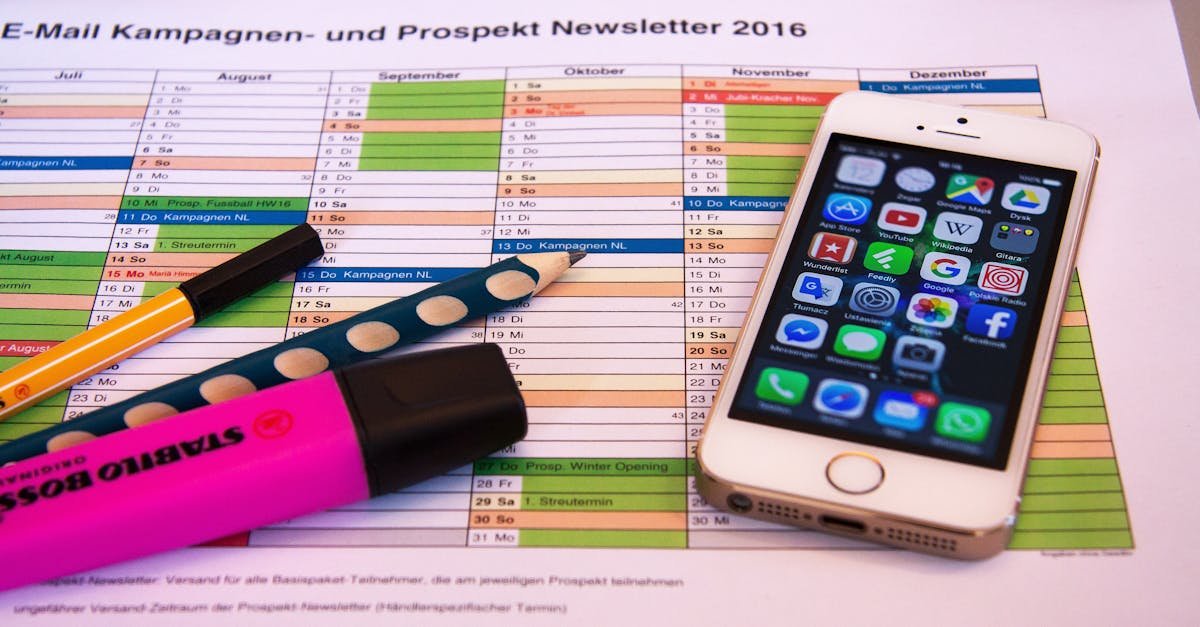
A desk setup featuring a planner, pens, and a smartphone displaying app icons, ideal for productivity.

Maximize Team Efficiency: Essential Productivity Tools for Success

Maximizing Team Efficiency Through Productivity Tools Ever found yourself drowning in emails, struggling to meet deadlines, or managing overlapping projects? Yeah, I get it. Team efficiency can feel like a mythical beast—one that always stays just out of reach. As someone who’s set up and led several shared service centers for over 20 years, I’ve seen it all. And trust me, navigating the maze of productivity tools can be a game changer when it comes to enhancing your team’s efficiency. Let’s untangle this together and explore essential productivity tools that can truly make a difference. Understanding Team Dynamics Before diving into the tools, we need to get why team dynamics matter. All members bring different skills, perspectives, and strengths. This colorful mix can either lead to confusion or creativity, depending on how we navigate it. Wondering what can turn chaos into clarity? It starts with choosing the right productivity tools. Here are some guidelines to consider: Communication is Key: Make sure everyone is on the same page. Tools that streamline communication can cut back on misunderstandings and save time. Collaboration Over Competition: Foster a sense of teamwork. Select platforms that encourage collaboration rather than competition. Flexibility Matters: Ensure your productivity tools adapt to your workflow, not the other way around. Top Productivity Tools to Consider Let’s talk tools. Here are some of the best productivity tools for maximizing team efficiency that you can’t afford to overlook: 1. Project Management Software Tools like Trello, Asana, and Jira breathe life into project management. They let you: Track progress in real-time. Set clear milestones. Allocate resources effectively. For instance, I used Trello for a major shared services transformation initiative. It was incredible to see tasks moving from “To Do” to “Done” while keeping everyone in the loop. 2. Communication Platforms Email chains can get ridiculous. Switching to communication tools like Slack or Microsoft Teams can greatly enhance real-time collaboration. Pro Tip: Create dedicated channels for different projects to reduce noise. 3. Document Collaboration Tools Tools like Google Workspace or Microsoft 365 allow team members to collaboratively edit documents. You can: Share files easily. Get real-time feedback. Maintain version history. Just imagine working on a presentation and getting instant feedback from your team instead of waiting for emails to bounce back. Game changer, right? 4. Time Management Tools Keeping track of how and where you spend your time is crucial for efficiency. Tools like Toggl or Clockify help you: Identify time wasters. Understand productive hours. Make data-driven adjustments. This was especially useful when juggling multiple teams and projects. I could optimize my day based on real insights. Fostering a Culture of Feedback Accountability makes a world of difference. Incorporating feedback loops into your productivity processes can shine a light on areas needing improvement. Schedule regular check-ins where team members can share what’s working and what’s not. Also, let’s be clear: feedback should be constructive, not just a list of complaints. The Role of Leadership Leadership sets the tone. As a leader, show your team how to embrace these tools and methods. Share your experiences—both wins and losses. When I launched a new tool that failed to resonate, I was open about it. We learned from that experience and adapted. Lead by Example Embrace the tools yourself. If you’re pushing for a collaborative platform, be the first to utilize it. Show your team it’s worth it. Measuring Success The final piece of the puzzle is measuring success. Without metrics, you’re just throwing spaghetti at the wall. Here are some metrics to consider: Project completion rates. Team productivity levels. Time spent on collaborative efforts versus solo tasks. The insights from these metrics can dramatically inform your next steps in shared services transformation. They tell you where to focus your energy and resources. Wrapping It Up So there you have it—ways to maximize team efficiency with essential productivity tools. It comes down to clear communication, effective collaboration tools, and an open atmosphere where feedback thrives. Are you ready to take the plunge? Jump in and embrace the tools that resonate with your team. You’ll be amazed at how much smoother your operations will flow. For more insights on shared services and to stay ahead of the curve in industry trends, check out THEGBSEDGE blog. You won’t regret diving deeper into topics surrounding transformation, innovation, and leadership. Join the conversation, share your stories, and continually improve. Cheers to a more efficient team!

Maximize Team Efficiency: Essential Productivity Tools for Success Read More »

Scroll to Top