Vikrant A.

My primary mission is to elevate shared service centers into high-performing, strategic hubs that drive measurable value and efficiency. With over 20+ years of experience, mostly establishing and transforming shared service setups, I combine operational excellence frameworks with a holistic leadership style to turn these centers from cost centers into engines of sustainable growth. Backed by a background in product development and digital marketing—where I’ve spearheaded lead generation, boosted online presence, and grown top-line revenue—I offer a unique perspective that aligns operational improvements with broader business objectives. Through integrity, transparency, diversity, and collaborative team cultures, I ensure that every shared services initiative not only enhances bottom-line performance but also contributes meaningfully to the overall success and scalability of the organization.

Free stock photo of bater, cricket, cricket game

Transform Shared Services: 5 Proven Techniques for Process Excellence

Are you feeling the pressure to optimize your shared services but unsure where to start? You’re not alone. Many team members from associates to subject matter experts grapple with how to elevate their processes in a meaningful way. I’ve spent over 20 years in the outsourcing and offshoring arena, sweating through both tech and non-tech operations. From launching extensive shared service centers for global organizations to refining their processes, I’ve tackled plenty of challenges. But one truth remains consistent: there are tried-and-true techniques for transforming shared services into paragons of efficiency. Let’s break it down. 1. Streamline Your Processes First up, it’s all about streamlining. No one wants to sift through unnecessary steps, right? Here’s how you can make processes slicker: Map Out Your Current Workflow: Document each step to highlight redundancies. Identify Bottlenecks: Look for where tasks stall. That’s your cue for improvement. Automate Repetitive Tasks: Invest in tech tools that handle the mundane—trust me, your team will love you for it. Imagine a mundane invoice process that lags because of manual data entry. Replacing that with an automated system not only saves time but also reduces errors. Pretty cool, huh? 2. Foster a Culture of Continuous Improvement Next up is culture. You want to nurture an environment where innovation blossoms. Here’s how: Encourage Feedback: Open channels where team members can share insights—bloated processes are often clear to those who live them. Celebrate Small Wins: Acknowledge incremental improvements to motivate ongoing efforts. Invest in Training: Equip your team with skills that promote problem-solving. At a prior center, we initiated monthly brainstorming sessions. Each little idea contributed to a broader transformation. Sometimes, the smallest tweaks yield the biggest gains. 3. Leverage Technology for Enhanced Collaboration We live in a time where technology is almost like magic. Yet, it’s only effective when harnessed correctly. Focus on collaboration tools. Here’s a checklist: Choose User-Friendly Platforms: Make it easy for everyone to participate. Ensure Real-Time Communication: Instant messaging tools can keep the momentum going. Integrate Systems: Make sure your tools talk to each other—data should flow seamlessly. During a previous initiative, embracing a new collaboration platform cut our email traffic in half. People connected in real-time, leading to faster decisions and more robust teamwork. 4. Emphasize Performance Metrics Without measurements, how do you know if you’re improving? You need metrics. Here’s what to focus on: Define Clear KPIs: Be specific about what success looks like. Use Data Analytics: Regularly analyze performance data to spot trends. Share Results Openly: Transparency builds trust and commitment. Celebrate progress together! Implementing KPIs led to a rigorous review cycle in one of our projects. Suddenly, everyone was aligned on goals, making ownership a shared journey. 5. Build Strong Customer Relationships Finally, let’s not forget about the customer—internally and externally! Strengthening relationships is paramount: Solicit Regular Feedback: Ask teams and external clients how you’re doing. Be Responsive: Address concerns and queries swiftly; nobody likes to be left hanging. Showcase Your Value: Regularly communicate how your shared services support their needs. When our team revamped our communication plan with stakeholders, satisfaction skyrocketed. It became clear: customers need to feel valued for meaningful partnerships to flourish. It’s All About the Journey Transforming shared services isn’t a one-and-done deal. It demands ongoing effort, adaptability, and commitment to excellence. Each of these techniques contributes to a seamless transformation journey, making the processes not just better but exceptional. From streamlining procedures to enhancing customer relationships, every layer builds on the last, creating an ecosystem of excellence. By adhering to these techniques, your team will not only meet challenges head-on but also thrive amidst them. If you want to further explore the strategies for effective process excellence within shared services, check out THE GBSEDGE. It’s packed with insights from industry leaders and can be your go-to resource for transformation, innovation, and leadership.

Transform Shared Services: 5 Proven Techniques for Process Excellence Read More »

Two professional women collaborating on a project with a laptop and documents.

Navigating GBS Challenges: Scenario Planning for Strategic Resilience

Are you feeling the heat when it comes to navigating the complexities of Global Business Services (GBS)? You’re not alone. Many folks in the field grapple with uncertainty. Whether it’s adapting to a market shift, juggling resource constraints, or prepping for a potential disruption, the challenges are real. But let’s unpack this. Imagine it’s the middle of a quarterly planning meeting. The atmosphere is tense, and you can almost cut it with a knife. Everyone’s eyes are glued to the forecast numbers, and one unexpected change could derail the entire strategy. Your gut says it’s time for some solid scenario planning. What do you do next? How do you build resilience without losing your mind? Understanding GBS Challenges In the past two decades, I’ve navigated many twists and turns in the shared services industry. I’ve seen it all, from tech transformations to process optimizations. But through it all, one truth stands out: strategic resilience isn’t just a nice-to-have—it’s essential. Ask yourself: What if our main supplier suddenly shuts down? How would we respond if a new competitor enters the market? What if a catastrophic event disrupts our operations? These questions might sound familiar because they resonate with every organization, no matter the size. The thing is, it’s not about predicting the future; it’s about being prepared for the unexpected. Crafting Your Resilience Strategy Now, let’s get practical. Building a resilience strategy can feel overwhelming. But breaking it down turns chaos into clarity. Here’s how to do it: 1. Identify Key Risks Start with identifying what keeps you awake at night. Conduct a risk assessment focusing on factors like: Supply chain vulnerabilities Technological shifts Regulatory changes Market volatility 2. Develop Scenarios Once you pinpoint risks, it’s time to craft scenarios. Think of it like creating a movie script where you outline possible plot twists. You’ll want to explore: Best-case scenarios Worst-case scenarios Most likely scenarios 3. Create a Response Plan Each scenario needs a game plan. What actions will your team take? Designate roles and responsibilities and ensure line of communication is clear. Remember: Flexibility is key Schedule regular reviews of the plan Be ready to pivot based on real-time data Putting the Plan into Action Now comes the fun part: implementation. It’s crucial to communicate your plans to your team. Transparency builds trust and accountability. Think about your team. Are they equipped? Provide the necessary training. Keep dialogues open. Encourage feedback. Remember, your team can be your best asset when it comes to resilience. Measure, Adjust, Repeat The work doesn’t stop after the plan is in place. Regularly measure outcomes against your scenarios. What’s working? What’s not? Adjust accordingly. The goal here is continuous improvement. In this world of rapid change, remaining static isn’t an option. You need to adapt and evolve. I always advise, treat your resilience strategy like a live document. Update it as new information comes in or circumstances change. Real-Life Story: Learning From Setbacks I remember working with a large organization once. They thought they had everything under control. But then a significant supplier went bankrupt, and it threw them into disarray. Instead of recovering quickly, they struggled because they hadn’t planned for this kind of disruption. They had everything in place for a growth opportunity but nothing to manage loss and setbacks. This experience taught us a vital lesson—anticipate not just growth but potential pitfalls. Learning through failures ultimately led them to craft robust scenario plans. Their resilience grew from the ashes of that setback. Engaging Everyone in the Process It’s easy for leaders to get trapped in a bubble. But remember, resilience is a team sport. Engage your team. Get their input during risk assessments and scenario planning. When your team feels invested, they’re more likely to comply with changes and put in the effort when it matters most. Sometimes, the freshest ideas come from those who are closest to the day-to-day operations. Don’t let your GBS efforts become an isolated initiative. Foster a culture that collaborates, innovates, and shares ownership of the process. Stay Ahead of New Trends The shared services landscape is ever-evolving. Technologies, regulations, and customer preferences shift constantly. To maintain resilience, stay updated with emerging trends. Engage with community highlights, attend workshops, or subscribe to industry blogs like THEGBSEDGE to keep your finger on the pulse. The Importance of Technology Let’s not forget about technology. Today’s digital solutions can enhance your resilience planning. From predictive analytics to management software, integrating tech tools can streamline your scenario planning. Invest in tools that enhance visibility across your operations. The right technology helps you forecast accurately, enabling quicker decisions. If you’re not already embracing innovation, it’s time to step up. Final Thoughts on Strategic Resilience As I wrap this up, remember that the world of GBS is anything but predictable. Challenges will come, but with a solid plan and your team by your side, you can not only navigate them but also thrive. Start today. Review your processes, engage your team, and don’t shy away from scenario planning. You’ve got this! And when you need a dose of inspiration or insights, check out THEGBSEDGE. It’s a treasure trove of knowledge in the shared services realm.

Navigating GBS Challenges: Scenario Planning for Strategic Resilience Read More »

Two Asian men collaborating on a project using computers in an office.

Transforming GBS: Top 5 Software Solutions to Elevate Efficiency

Let’s talk about something that keeps many of us up at night—efficiency in Global Business Services (GBS). Ever found yourself tangled in spreadsheets or drowning in emails? Yeah, me too. In a landscape that demands agility, adaptability, and innovation, transforming your shared services to enhance efficiency is more vital than ever. This is where the right software solutions come into play. With over 20 years in the outsourcing and offshoring industry, I’ve seen how strategic technology can change the game. Today, we’re diving headfirst into the top five software solutions that can elevate efficiency in GBS. Trust me, this isn’t just tech jargon; these are lifelines that can help your teams thrive. 1. Robotic Process Automation (RPA) If there’s one buzzword that’s taken the GBS industry by storm, it’s RPA. Imagine having a digital workforce that takes on repetitive tasks—data entry, reconciliation, processing invoices. It sounds like something right out of a sci-fi movie, but it’s real, and it’s changing lives. Cost Savings: When machines handle repetitive tasks, you can reallocate human resources to focus on more strategic initiatives. Accuracy: Robots don’t have off days. They’re here to ensure your data is accurate and consistent. Scalability: Need to ramp up processes during peak seasons? Easy. Just scale your digital workforce. Organizations adopting RPA have reported up to a 30% reduction in operational costs within months. It’s a no-brainer for anyone serious about shared services transformation. 2. Cloud-Based Financial Management Systems Now, let’s talk finance. Cloud-based solutions like NetSuite or SAP S/4HANA are game-changers. You might wonder why everyone is obsessed with the cloud. Here’s the deal: Real-Time Insights: No more waiting for month-end closes to understand your financial standing. Get real-time access to performance metrics. Collaboration: Teams can work from anywhere, making it easier to engage stakeholders without geographical constraints. Flexibility: Adapt your system based on your needs without heavy upfront investments. Cloud solutions are essential for driving efficiency in GBS, and they set the stage for better decision-making. 3. Integrated Workflow Management Tools Communication is key, right? So why is it often overlooked in GBS? That’s where integrated workflow management tools like Monday.com or Asana shine. They keep teams aligned. Visibility: Everyone knows the status of projects. No more “where are we on this?” emails. Responsibility Tracking: You assign tasks, set deadlines, and watch responsibility flourish. Enhanced Productivity: Teams can focus on actual work rather than searching for updates. Using these tools helps eliminate silos and fosters a sense of community within the team. Efficiency isn’t just about speed; it’s also about synergy. 4. Data Analytics and Business Intelligence (BI) Tools If you’re still making decisions based on intuition, it’s time to rethink that approach. Data analytics and BI tools like Tableau or Power BI take your data and turn it into actionable insights. Here’s how: Informed Decision Making: Data-driven decisions can lead to significant gains, rather than relying solely on gut feeling. Trend Analysis: Spot trends before they become problems. Nobody wants to be last to know. Custom Dashboards: Visualize your KPIs to keep an eye on what matters most. These tools are a major weapon in the shared services transformation toolkit, turning data into gold. 5. Customer Relationship Management (CRM) Systems Lastly, let’s not forget about customer experience. A strong CRM tool like Salesforce can enhance the bond between your services and customers. Centralized Data: Keep all customer interactions and feedback in one place. This minimizes miscommunication. Automation: Automating follow-ups ensures no customer feels forgotten. Personalization: Tailor your offerings based on customer history and preferences. Enhancing customer satisfaction while improving operational efficiency is the holy grail of GBS. Bringing It All Together So, there you have it! Five software solutions that can propel your GBS transformation forward. Sure, the path won’t always be smooth, and you might hit a few bumps along the way, but from my experience, these tools can set you on the right track. You’re looking at improved efficiency, better resource allocation, and ultimately, a stronger bottom line. If you’re eager to learn more about how to innovate and lead in this space, I highly recommend checking out THEGBSEDGE Blog. It’s packed with insights on transformation, innovation, and leadership in the shared services industry. Transformation doesn’t just happen overnight. It’s a journey. Equip yourself with the right tools, stay informed, and remember that every small step can lead to significant changes. Keep pushing forward! “`

Transforming GBS: Top 5 Software Solutions to Elevate Efficiency Read More »

Close-up of a hand pointing at a flowchart diagram related to cryptocurrency on a whiteboard.

Uncovering Hidden Insights: Process Mining for Root Cause Analysis

Why Process Mining Is a Game Changer for Root Cause Analysis Ever run into a snag while working on a project and wondered where it all went wrong? Or maybe you’ve felt the pressure to hit targets while a few pesky issues keep bubbling up? You’re certainly not alone. As someone who’s been in the shared services industry for over 20 years, I’ve seen my fair share of challenges when it comes to operational hiccups. Tackling them isn’t just about putting out fires; it’s about understanding why those fires started in the first place. That’s where process mining steps in. It helps shine a light on the hidden insights in your data, enabling you to pinpoint root causes effectively. The Basics of Process Mining Picture process mining as a magnifying glass over your business operations. It allows you to: Visualize the actual process flows Identify bottlenecks and inefficiencies Enhance compliance with regulations Support continuous improvement efforts In short, process mining is about making the implicit explicit, helping you to uncover those vital insights that often hide in plain sight. Common Challenges in Root Cause Analysis If you’ve been in the game long enough, you know that root cause analysis can feel like searching for a needle in a haystack: Data silos can lead to incomplete views. Manual analysis is time-consuming and prone to error. Bias can sneak in if people rely too heavily on intuition rather than factual data. Each of these factors can muddy the waters when you’re trying to see what’s really going on in your processes. This is where process mining sheds light by providing concrete data analytics. How Process Mining Works in Practice Let’s walk through how you can leverage process mining with a relatable example. Imagine you’re dealing with customer service complaints. Here’s a straightforward methodology you can follow: Data Collection: Gather logs from your CRM system. Process Mapping: Use process mining tools to create a visual representation of the customer service workflow. Analysis: Identify where delays are happening. Is it during escalation? Are reps spending too much time on certain types of queries? Root Cause Identification: Dig deeper into your findings. If you find that escalation is slow, is it due to lack of training, lack of staff, or something else? Continuous Improvement: Adjust the process based on what you find, and keep the cycle going. This isn’t just theory; it’s grounded in real-world application. You can actually see improvements almost immediately. Stories that Highlight the Power of Process Mining During my career, I’ve seen organizations transform through process mining. One firm I worked with was struggling to keep operational costs down while maintaining quality customer service. They started process mining and noticed that a lot of time was being wasted on repetitive tasks during customer interactions. By realizing this, they automated a chunk of that work. The result? A 30% increase in efficiency and a much happier customer base. This story isn’t unique; many organizations reap similar rewards by leveraging process mining. Best Practices for Implementing Process Mining Getting started with process mining involves more than just a tool and some data. Here’s how you can set yourself up for success: Get Team Buy-In: Make sure everyone understands the importance of process mining. Set Clear Objectives: Define what you want to achieve—improved efficiency, reduced costs, better customer experience? Collaborate Across Departments: Break down silos and get various teams involved in the analysis. Iterate: Process mining isn’t one-and-done. Continuously refine your approach based on findings. By fostering a culture of openness and collaboration, you can maximize the benefits of your process mining initiatives. Conclusion: Your Road to Continuous Improvement In a world where efficiency is king, process mining yields powerful insights that pave the way for smarter decision-making. Embracing this methodology allows shared services professionals to uncover the root causes of their challenges and transform their operations for the better. And remember, this is just the tip of the iceberg. There’s a wealth of knowledge waiting for you at THEGBSEDGE. It’s your go-to source for shared services insights. With process mining, you don’t just fix problems; you prevent them from happening again. So next time you face a challenge, think process mining—it’s the key to unlocking those hidden insights!

Uncovering Hidden Insights: Process Mining for Root Cause Analysis Read More »

Close-up of small robot toy and large robotic leg in a moody studio setting.

Navigating Future Challenges: 5 Risks for GBS Leaders in 2025

You might be wondering, what’s on the horizon for GBS leaders in 2025? The pace is accelerating and it’s not just about staying afloat anymore; it’s about thriving amid uncertainty. With over 20 years in the outsourcing and offshoring industry, I’ve seen the good, the bad, and the downright confusing. So, let’s make sense of it together, over a cup of coffee. First, let’s talk about shared services transformation. It’s like that never-ending game of whack-a-mole; just when you think you’ve hit one mole, another pops up. But don’t just smash away without strategy. It’s essential to identify where you’re vulnerable and how to turn those challenges into stepping stones. 1. Technological Disruption Technological disruption is probably the loudest threat out there, right? The rapid development of AI, automation, and cloud computing isn’t just about efficiency; it’s reshaping our entire operational landscape. The problem? Keeping pace with these changes. We might feel like we’re in a race against time. Look for platforms that seamlessly integrate with your current systems. Invest in ongoing training for your team to leverage these technologies effectively. Stay updated on tech advancements; what seems cutting-edge today might be obsolete tomorrow. Take a moment to think about your tech stack. How flexible is it? If it’s rigid, that’s a risk. You could find yourself stuck with outdated technology that can’t keep up with the competition. 2. Talent Management Challenges Let’s not beat around the bush; finding talent is no walk in the park anymore. We’re in a war for skilled professionals, especially in shared services. The tricky part? Retaining your top people while attracting fresh talent who can bring different perspectives. Foster a culture of continuous learning. This can tap into your existing talent pool. Create a positive work environment—nobody wants to work in a toxic setup. Utilize flexible work arrangements to attract a broader talent pool. Remember, if your employees are unhappy or unengaged, they’ll be looking for other options. And trust me, in this job market, they won’t have a hard time finding them. 3. Compliance and Regulation Shifts The landscape of regulations is like a puzzle that keeps changing shape. One minute you’re on top of the laws, and the next, you find out you missed a key piece. Staying compliant isn’t just a legal necessity; it directly impacts your credibility and operational efficiency. Make compliance training a priority for all team members. Have a dedicated resource focusing solely on regulatory changes. Conduct regular audits and assessments to ensure you’re on the right track. The risk here isn’t just in penalties—it’s in brand reputation. If customers think you can’t handle compliance, they’ll think twice before doing business with you. 4. Evolving Customer Expectations Customer expectations are like the weather; unpredictable. They’re savvy and always looking for better experiences. If your services don’t match up, you’ll lose customers faster than you can say “shared services transformation.” Gather and analyze customer feedback consistently. People love it when you listen. Invest in customer experience training for your team. Make sure they know how to wow your clients! Be proactive about communication—keeping clients in the loop can brighten their day. Your customers drive your business. If you can’t give them what they want, they’ll go elsewhere. Simple as that. 5. Economic Uncertainty Let’s face it, the economy can feel like that roller coaster ride we’re all hesitant to get on. Economic uncertainty can strike at any moment, throwing everyone’s plans into chaos. For GBS leaders, this translates into unpredictable budgets, shifting priorities, and the need for agility. Regularly review your budget and financial forecasts. Make adjustments continually. Strengthen your risk management plan. By addressing vulnerabilities head-on, you prepare for the unexpected. Network with others in the industry. Sometimes, just knowing what others are doing can give you a leg up. Staying aware of the broader economic environment will serve you well. It’s not just about prepping for the worst but also being ready to pivot when opportunity knocks. In Closing As we look toward 2025, GBS leaders face a unique set of risks. Understanding these challenges is imperative, not just for survival but for thriving in a rapidly changing environment. It’s about turning vulnerabilities into opportunities. At the heart of it all, I urge you to engage with the resources available to you. Check out the THEGBSEDGE blog for insights on leading through transformation, innovation, and the pulse of the shared services industry. This blog was started by me, Vikrant Aglawe, and I genuinely want to share my knowledge and experience in the outsourcing and offshoring arena with all of you. The path won’t always be smooth, but with focus and determination, you can navigate the complexities of the coming years. Let’s make the most of it! “`

Navigating Future Challenges: 5 Risks for GBS Leaders in 2025 Read More »

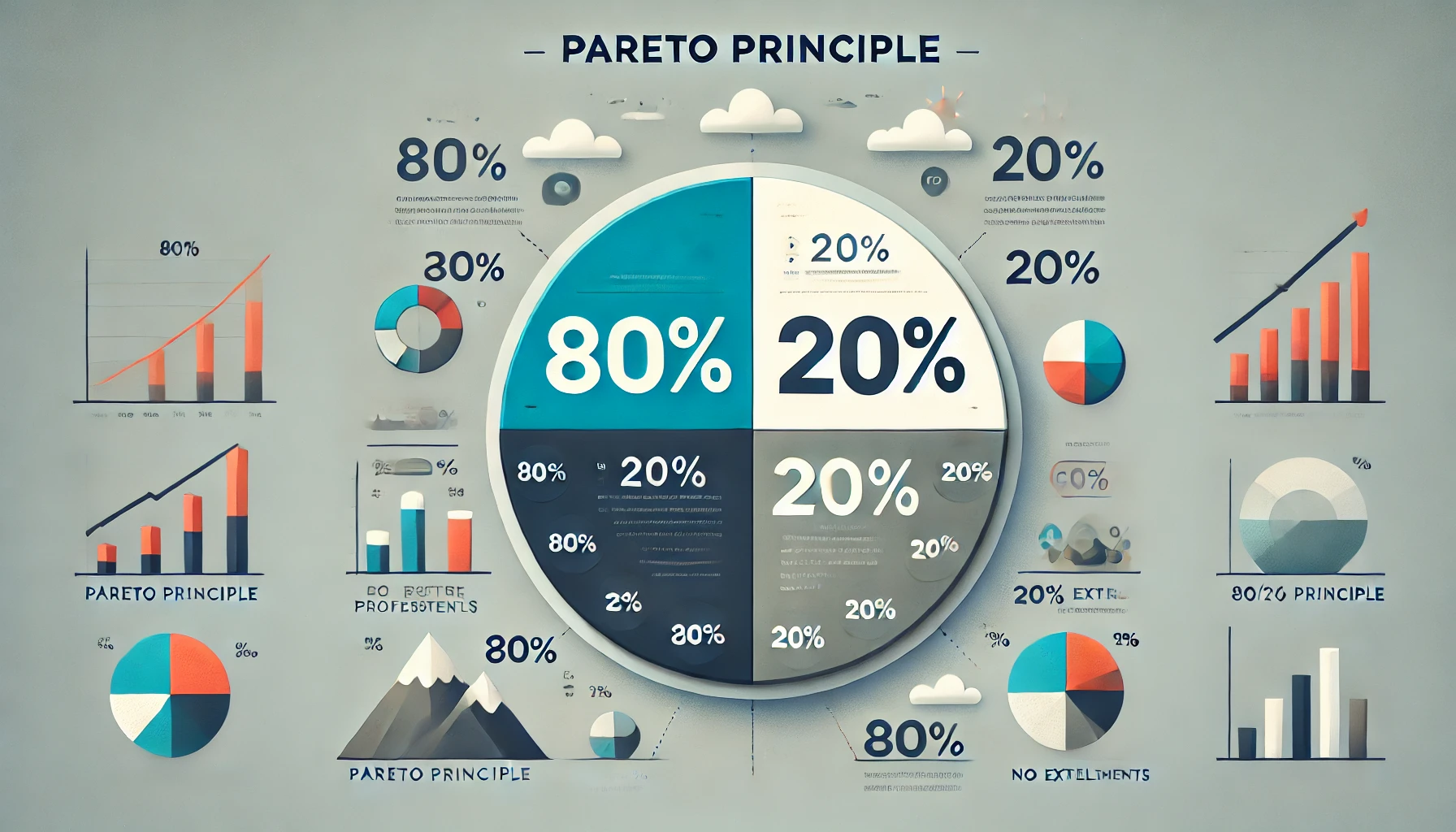
Unlocking Efficiency: Pareto Analysis for GBS Process Optimization

Ever feel like you’re burning the midnight oil but still not getting anywhere? You’re not alone. In the world of shared services, where efficiency is king, it’s crucial to cut through the noise. And let’s face it, in a sea of processes, data, and reports, we sometimes overlook the real game-changers. Enter Pareto Analysis, the nifty little tool that can shift your perspective on what really matters. What is Pareto Analysis? Think of Pareto Analysis as your efficiency compass. Named after the Italian economist Vilfredo Pareto, this method leverages the 80/20 rule. You know, the idea that 80% of your results come from just 20% of your efforts? In the context of Global Business Services (GBS), this means identifying the few processes or issues that cause the most significant impact, both positive and negative. By focusing your energies there, you can unlock efficiency and achieve process optimization. Why It Matters in GBS Let me share a quick story. When I was setting up a shared service center for a global organization a few years back, we got bogged down in countless processes, trying to optimize everything at once. It was chaos! But then we started digging deep into Pareto Analysis. We discovered that just three core processes were consuming 70% of our resources. By honing in on those areas, we streamlined operations significantly and saved the company thousands of hours annually. That’s the magic of Pareto Analysis—it helps you zero in on the impactful few instead of chasing the many. Steps to Conducting Pareto Analysis Identify and List Problems: Gather data on the processes you’re running. What are the bottlenecks? Where’s the delay? Collect Data: Quantify the impact. This includes time wasted, costs incurred, or risks attached. The clearer the data, the clearer the picture. Sort and Analyze: Organize this information from largest to smallest impact. Use charts or graphs—visuals help! They’re not just pretty decorations. Prioritize: Focus on that crucial 20%. What changes can you implement that will drive the most significant results? Implement Changes: Now comes the fun part—put those insights into action. Make changes where you know they’ll matter the most. The Real-World Impact: Case Studies Let’s break it down further with a couple of examples from my own experience. Finance Transformation: In one company, finance was a tangled web of approvals and paperwork. After conducting a Pareto Analysis, we identified that a few types of transactions accounted for over 75% of processing time. By automating these specific transactions, we slashed processing time by 60%. Customer Support Optimization: For another organization, we analyzed support tickets. Surprisingly, 80% of customer complaints stemmed from just two issues. Addressing these led to a 50% decrease in ticket volume. Less volume means a more focused team, better response times, and happier customers. Common Pitfalls to Avoid You’re probably thinking it all sounds great, but let’s keep it real. Here are some traps that you might fall into: Overlooking the Minor Processes: Sometimes, small issues can snowball. Avoid ignoring them completely. Involving Too Many Metrics: Don’t drown yourself in data. Less is more. Not Revisiting: Pareto is not a set-it-and-forget-it strategy. Reassess periodically. Processes evolve. Tools to Assist Your Efficiency Journey Ready to dive deeper into optimization? Here are a few tools that can help you conduct Pareto Analysis effectively: Excel: Good old Excel can be your best friend for creating charts and analyzing data. Tableau: Great for visualizing complex data in a digestible manner. Process Mapping Software: Tools like Lucidchart can help visualize current vs. streamlined processes. Transforming Mindsets As much as tools and strategies matter, remember that transformation starts with mindset. Encouraging your team to adopt a Pareto perspective is vital. Foster a culture of continuous improvement where every voice matters. Create an environment where team members are eager to bring their insights to the table. At the end of the day, it’s about finding that sweet spot between efficiency and satisfaction. A happy team is often an efficient one. Embrace the Change Unlocking efficiency doesn’t happen overnight. It’s a journey. But you have the tools at your disposal. With Pareto Analysis in your toolkit, you’re armed to tackle complexities and streamline processes. Take it one step at a time, and don’t hesitate to reach out to experts in shared services. The journey can be complex, but the rewards are absolutely worth it. Looking for more insights into transforming the shared services landscape? Check out THEGBSEDGE blog, where I dive deeper into strategies on innovation and leadership in GBS. Let’s continue engaging and transforming together!

Unlocking Efficiency: Pareto Analysis for GBS Process Optimization Read More »

Group of men in suits having a serious business discussion in a professional setting.

Mastering GBS Leadership: 5 Key Lessons for 2025 Success

Ever find yourself staring at a mountain of challenges in your role as a leader in Global Business Services (GBS)? You’re not alone. It’s tough out there. Between shared services transformation and process optimization, the landscape keeps shifting, and we’ve got to navigate it without losing our footing. So, let’s dig into some real-life lessons I’ve collected over my 20+ years in the shared services industry. These are not just theoretical—they’re practical insights that can help you lead more effectively in 2025. 1. Embrace Change with Open Arms Change isn’t an enemy; it’s your best friend. In shared services, whether you’re dealing with tech upgrades or restructuring teams, being adaptable is key. Remember how we all rushed to online platforms during the pandemic? Here’s what I’ve learned: Be proactive. Anticipate shifts rather than react. If you see trends in the industry, jump on them before they snowball. Champion a growth mindset. Your team will mirror your attitude. If you’re excited about change, they will be too. Communicate openly. Tell your team why changes happen. When people understand the ‘why’, they’re less resistant. In 2025, audiences will expect more from shared services. Let’s ride that wave together, shall we? 2. Focus on Process Excellence Process optimization isn’t just a buzzword; it’s about creating real value. By refining processes, we can deliver faster, better service—without burning out ourselves or our teams. Here are actionable steps to take: Map out your workflows. Understanding current processes uncovers inefficiencies that can be tackled. Collect feedback. Regular check-ins with your associates can reveal pain points you might not see. Leverage technology. Invest in automation tools that streamline repetitive tasks. Freeing up time? Huge win. This approach has transformed so many GBS functions. It’s time we all step up to this plate. 3. Elevate People and Culture Let’s not forget—people make the world go round. In GBS, we’re not just focusing on numbers; we’re focusing on our people. Here’s how to bring the best out of them: Invest in training. Skill development pays off big. Your team should feel equipped to tackle new challenges. Foster a collaborative environment. Encourage open discussions and idea-sharing. You’ll be amazed by the gems that can arise. Recognize achievements. Take time to celebrate wins, no matter how small. Acknowledgment breeds motivation. A thriving culture isn’t just good for morale; it gets results, period. 4. Customer Experience is Everything Remember, your internal clients are just as important as external ones. How does this affect GBS leadership? Let’s break it down: Understand your clients’ needs. Regular feedback loops help you stay aligned with their expectations. Tailor your services. Treat each department uniquely; a one-size-fits-all approach rarely works. Measure satisfaction. Get metrics and adjust accordingly. If it ain’t working, fix it. Focusing on customer experience is not just about service; it reflects the quality of your leadership. 5. Adapt to Technology Trends The future is tech, and it’s not going anywhere. To stay ahead as a GBS leader, dive into emerging trends: Stay updated. Read industry blogs like THEGBSEDGE to keep your knowledge fresh. Experiment. Don’t hesitate to try new technologies. Innovation is often counterintuitive. Form partnerships. Collaborate with tech vendors who can provide insights and tools tailored to your needs. Being tech-savvy isn’t an option; it’s a necessity for leaders today. Bringing it All Together As we gear up for 2025, let’s remember those key lessons: Embrace change and cultivate adaptability. Strive for process excellence continuously. Elevate people and foster a vibrant culture. Prioritize customer experience in every service. Stay on top of tech trends. The world of GBS is evolving rapidly, but with these lessons, you can lead confidently. Join me in digging deeper into your leadership style. Explore resources that can elevate your approach, like the latest insights on strategy & leadership. Let’s share our experiences and learn from one another as we boldly step into the future of GBS.

Mastering GBS Leadership: 5 Key Lessons for 2025 Success Read More »

Focused female rower engaged in a competitive rowing event on a sunny day.

Mastering Leadership: OKRs as Your Compass in Shared Services

Why Mastering Leadership with OKRs is Essential Let’s be real. When it comes to leading teams in shared services, we feel the weight of the responsibility every day. We’re managing people, processes, and expectations. We aim for excellence and alignment. But how do we ensure that everyone is on the same page? Here lies the magic of Objectives and Key Results, or OKRs. Think of OKRs as your compass, guiding your ship through the complexities of shared services and helping you navigate the currents of change. What Exactly Are OKRs? Picture this: you have a team full of talented individuals, each with their own goals and aspirations. But without a clear direction, it’s like herding cats, right? OKRs help to bring focus. They allow teams to set clear objectives and measurable results. Here’s how it breaks down: Objectives: These are the “what.” Define what you want to achieve. It should be inspiring and time-bound. Key Results: The “how.” These are specific metrics that measure progress towards achieving the objective. For example, let’s say your objective is “Enhance Customer Satisfaction.” Your key results could be: Increase customer satisfaction scores by 20% in Q1. Reduce response time to customer queries to under 24 hours. Achieve a Net Promoter Score (NPS) of 50 or above. OKRs as Your Leadership Compass Here’s where it gets cool. Using OKRs isn’t just about setting goals. It’s about creating a culture of accountability and transparency. When everyone knows the objectives and key results, they can align their day-to-day tasks with broader company goals. This alignment gives team members a sense of ownership. It shifts the mindset from “this is what I have to do” to “this is how I’m contributing to something bigger.” Real Talk: Leading Through Transformation We’re living through some wild times, especially in the shared services industry. Transformation isn’t just a buzzword; it’s a necessity. With advancements in technology and growing customer expectations, we must adapt and innovate. Implementing OKRs can serve as a guide during these transformative initiatives. They allow teams to pivot quickly and shift focus as needed. Story Time: A Shared Services Success Let me share a story from my own experience. I once led a large team during a massive restructuring phase. Objectives were vague, and everyone was lost. It wasn’t until we started using OKRs that things began to shift. We defined our objectives together as a team. Everyone contributed their insights and aspirations. By establishing clear key results, we saw improvements almost immediately. Not only did morale boost, but productivity surged. People weren’t just showing up to work; they were engaged. The Practical Magic of OKRs Ready to implement OKRs? Here’s how you can get started: Involve Your Team: Don’t do it alone. Make it a collaborative process. Be Clear and Specific: Define your objectives and key results clearly. Regular Check-Ins: Schedule regular updates to discuss progress and challenges. Stay Flexible: If something isn’t working, adapt your key results or objectives. Celebrate Successes: Acknowledge wins, no matter how small. It’s about building momentum. The Role of Leaders As leaders, we have the responsibility to foster an environment that encourages experimentation and growth. It’s not just about meeting quotas; it’s about creating a culture of learning. Emphasizing transparency and communication can transform how teams work together. OKRs become a tool for aligning these values. They help create a steady pulse in your organization, driving everybody toward shared success. Key Takeaways for Your Leadership Journey Focus on clarity: Clear OKRs bring focus and direction. Encourage ownership: Everyone knows how their work impacts the team’s success. Measure, adapt, and celebrate: Celebrate wins, large and small. Mastering leadership is a continuous journey. Using OKRs as your compass means you’re not just navigating a sea of tasks but steering your organization toward success. Embracing the Transformation The shared services landscape is evolving, and so must we. Embracing OKRs allows you to pivot quickly and adapt. Whether in process optimization or shared services transformation, having clear objectives is crucial. Empower Your Team with THEGBSEDGE For deeper insights into leadership and strategies that align with the current trends, check out THEGBSEDGE. Started by industry veteran Vikrant Aglawe, this blog is a goldmine for anyone in the shared services game. Final Thoughts Mastering leadership through OKRs is not just a strategy—it’s a collective mindset shift. Your team thrives when everyone is aligned, inspired, and empowered. So, grab that compass and set your course. The journey towards shared services excellence is just beginning.

Mastering Leadership: OKRs as Your Compass in Shared Services Read More »

Close-up of a professional handshake over a laptop during a business meeting in an office.

Navigating the Top 5 Hiring Challenges in Shared Services

Let’s be real. Hiring in the shared services sector isn’t just about filling a seat. It can feel like navigating a minefield. You might be facing high turnover, skills shortages, or simply the challenge of finding candidates who align with your company culture. I get it; this journey can be overwhelming. After 20 years in the shared services arena, having led multiple large-scale projects, I’ve seen the good, the bad, and the downright confusing. Today, I want to break down the top five hiring challenges we face in the shared services sector and how to tackle them head-on. 1. Talent Shortages: Where Have All the Good Candidates Gone? It’s a wild market out there. Finding qualified candidates can feel like searching for a needle in a haystack. The demand far exceeds the supply, especially when it comes to specialized skills in finance, compliance, and technology. Here’s what I’ve found helpful: Broaden Your Search: Don’t limit yourself to local talent. Remote work is here to stay and can open up a treasure trove of candidates. Build a Talent Pipeline: Develop relationships with universities and training programs that focus on operational excellence. Get a head start by identifying future talent. Internal Promotions: Often, the best candidates are already in-house. Invest in training and upskilling current employees. 2. Cultural Fit: Skills vs. Values Skills are crucial—but what about cultural fit? Hiring someone who doesn’t resonate with your company values can lead to friction and dissatisfaction. Here’s the kicker: it’s hard to measure culture. To ensure a good fit: Prioritize Values in Interviews: Ask candidates direct questions about their values and how they align with your company’s mission. Involve Team Members: Include your team in the interview process. They can provide insights on whether a candidate meshes well. 3. High Turnover Rates: Why Can’t We Keep Good People? You’ve hired great people, but they don’t stick around. High turnover rates can drain your resources and morale. So, what’s the deal? Often, it boils down to unrealistic expectations or lack of growth opportunities. Consider these strategies: Transparent Communication: Set clear expectations during the onboarding process. Be honest about roles, responsibilities, and growth paths. Career Development: Foster an environment where employees feel they can grow. Offer training, mentorship, and opportunities for advancement. 4. Skills Gaps: Bridging the Knowledge Divide Technology moves fast. The skills needed today might differ dramatically from those needed in a year. It’s easy to find candidates on paper, but ensuring they have up-to-date skills is a whole other story. To bridge that gap: Invest in Continuous Learning: Provide resources for employees to enhance their skills. Online courses, workshops, and certifications can go a long way. Regular Assessments: Implement a process for regular skills assessments to identify gaps and areas for improvement. 5. Balancing Efficiency with Personal Touch In the rush to streamline hiring processes, we often overlook a critical element: the human touch. Automated applications and digital interviews can quickly become impersonal. Candidates want to feel valued, not just like another number in a queue. Here’s how you can keep things personal: Personalized Communication: Reach out with personalized messages—not generic emails. Show candidates that you care. Engagement Throughout the Process: Keep candidates informed through every stage. Update them on their application status and next steps. Conclusion: Turning Challenges into Opportunities Tackling these hiring challenges in shared services is no small feat. Yet, each hurdle comes with an opportunity. By embracing a proactive approach, prioritizing culture, investing in learning, and maintaining a personal touch, you can build a team that not only meets today’s needs but is also equipped for future challenges. Remember, the key to a successful shared services transformation lies in your people. Let’s leverage these strategies together to create a thriving workplace. For more insights, tips, and expert perspectives on the shared services landscape, be sure to check out THEGBSEDGE. With a wealth of resources available, including articles on strategy leadership and technology innovation, you won’t want to miss out.

Navigating the Top 5 Hiring Challenges in Shared Services Read More »

Vibrant collection of books on shelves for reading, research, and education.

Unveiling 2025’s Top 5 GBS Case Studies for Strategic Insights

Ever sit back and wonder what drives successful global business services (GBS) transformations? You’re not alone. We all crave clarity in this ever-evolving space. The uncertainty about the best strategic moves can be overwhelming. But here’s the good news: By peering into cutting-edge case studies, we can glean valuable lessons that can reshape our approach and strategies. Let’s lift the veil on five standout GBS case studies set to make waves in 2025. Case Study 1: A Major Financial Institution’s Leap to Automation This large financial firm decided to pivot on its operational efficiency. They were burdened with manual processes that were not only time-consuming but prone to errors. What did they do? They embraced robotic process automation (RPA). Here’s the kicker—within just a year, their productivity surged by 40% while operational costs dipped by 30%. Things to consider: Invest in intelligent automation tools. Foster a culture that embraces change. Involve your employees from inception to execution. This isn’t just a story of savings; it emphasizes the necessity of a robust change management strategy, a key player in the success of shared services transformations. Case Study 2: A Manufacturing Giant’s Push for Process Optimization This manufacturing behemoth struggled with inefficiencies in procurement. Their supply chain was sluggish and hampered by outdated practices. So, what was their game plan? They implemented a cloud-based procurement solution. Within two years, they reported a 25% increase in supplier onboarding speed and a significant reduction in procurement cycle time. Key takeaways from their journey: Embrace cloud solutions for greater flexibility. Regularly engage with suppliers to improve collaboration. Measure success through key performance indicators (KPIs) regularly. Thanks to these strategies, they turned what could have been a disadvantage into a competitive edge. Case Study 3: Tech Company’s Customer-Centric Transformation In today’s fast-moving tech world, ensuring a solid customer experience can set you apart. A notable tech company recognized this early on. Their solution? They restructured their customer service processes around client feedback loops, integrating advanced analytics to personalize interactions. The results? Customer satisfaction scores skyrocketed, leading to improved retention and sales growth. What’s more: Listen to your customers consistently. Invest in analytics for actionable insights. Adapt your services based on feedback. This case highlights the importance of putting the customer at the heart of any operational strategy. Case Study 4: Pharmaceutical Leader’s Roadmap to Shared Services Integration Let’s talk about a pharmaceutical giant that faced a common hurdle—siloed operations. Their various departments were operating independently, leading to redundancies. To tackle this, they initiated a shared services integration that streamlined finance and HR operations. This approach not only reduced overhead costs by 20% but also significantly improved service delivery times. Key insights gained here: Breaking down silos is crucial for efficiency. Centralization can yield impressive cost savings. Communicate consistently across teams to ensure smooth transitions. They turned chaos into collaboration—shouldn’t we all aim for that? Case Study 5: Retail Brand’s Adaptation to E-commerce Trends A robust retail brand was feeling the heat from the e-commerce uptick. Customers were moving online, and their traditional models struggled to keep pace. To pivot, they developed an omnichannel approach that integrated online and offline experiences. Result? They saw a remarkable restoration of customer loyalty, attributing it to seamless transactions across various platforms. Learning points from their experience include: Integrate tools that allow both online and offline interactions. Track customer behaviors across channels. Invest in training employees on the new systems. This case underscores the need for adaptability in shared services—a lesson we can all exploit. What These Case Studies Mean for You So, take a breath and reflect on these insights. As GBS strategies evolve, we’ve got to keep pace and adapt. These case studies offer a glimpse into real-world applications, showcasing that with the right approach, you can drive your organization toward excellence. Remember, it’s about: Embracing innovation. Focusing on customer experience. Streamlining processes for maximum efficiency. For more insights, visit THEGBSEDGE. It’s a hub for shared services professionals and a resource you won’t want to miss. We’re continually sharing perspectives on operations and transformations that define our industry. Dive deep into posts that focus on technology innovation and process excellence for unbeatable takeaways. This isn’t just chatter. It’s about clarity, connection, and concrete changes in our field. I’m Vikrant Aglawe, and with over 20 years in the outsourcing and offshoring industry, I promise the insights here will empower our GBS journey.

Unveiling 2025’s Top 5 GBS Case Studies for Strategic Insights Read More »

Scroll to Top