Vikrant A.

My primary mission is to elevate shared service centers into high-performing, strategic hubs that drive measurable value and efficiency. With over 20+ years of experience, mostly establishing and transforming shared service setups, I combine operational excellence frameworks with a holistic leadership style to turn these centers from cost centers into engines of sustainable growth. Backed by a background in product development and digital marketing—where I’ve spearheaded lead generation, boosted online presence, and grown top-line revenue—I offer a unique perspective that aligns operational improvements with broader business objectives. Through integrity, transparency, diversity, and collaborative team cultures, I ensure that every shared services initiative not only enhances bottom-line performance but also contributes meaningfully to the overall success and scalability of the organization.

A businessman pointing at financial charts on a whiteboard, discussing stock market trends.

Navigating Change: Data-Driven Decisions in Shared Services

Change is freaking scary, right? You wake up one day, and the entire landscape of how your business functions shifts beneath your feet. If you’re in shared services, you know this process intimately. At times, it feels like you’re juggling chainsaws while blindfolded. But here’s the kicker—embracing change, especially through data-driven decisions, can turn that chaos into a symphony of success. Let’s break this down together. I want you to picture this: you’re a senior associate looking at a mountain of operational data, drowning in numbers and figures. You’re wondering how in the world you’re supposed to make sense of it all and implement changes that will drive efficiency. Sound familiar? You’re not alone. Many of us face this challenge head-on. Why Data-Driven Decision-Making Matters Data is not just numbers; it’s a powerful tool. Here’s how it can work for you: Clarity: Data simplifies the complex. It turns subjective opinions into objective facts. Efficiency: You can identify redundancies and streamline processes based on real insights. Accountability: When decisions are based on numbers, it’s easier to track progress and outcomes. In the shared services realm, this is paramount. We’re working to improve operations across finance, HR, IT, and more. Every decision needs a solid backing. Otherwise, you might be driving blind. Turning Numbers into Narratives But let’s get personal for a moment. I remember when I first got into this industry over 20 years ago. Back then, it was all about gut feelings and instinct. Fast forward to today, we have analytics software that can dissect every aspect of a process. But it’s not just about having fancy dashboards; it’s about what you do with the insights. Here’s an example: A large organization faced mounting costs due to a slow onboarding process. They crunched the data and found that a significant chunk of time was wasted in administrative tasks. By implementing a data-driven approach, they automated repetitive tasks. The result? They slashed onboarding time by 40% and saved a boatload of cash. Now, that’s the power of making informed decisions! Strategies for Effective Data Utilization So, what can you do? Here are some actionable strategies: Establish Clear Metrics: Define what success looks like. Whether it’s cost savings, time reductions, or customer satisfaction, clarity is key. Invest in Tools: You need the right tools to analyze and visualize data. Platforms like Power BI or Tableau make this task easier. Train Your Team: Ensure that your associates and analysts understand how to interpret the data. It’s not just about gathering numbers; it’s about making sense of them. Foster a Culture of Feedback: Encourage an environment where everyone is comfortable sharing their thoughts. Data isn’t the end-all; it’s a starting point. The Emotional Side of Change Let’s be real: change isn’t just about data; it’s emotional too. You might face resistance from team members; it’s human nature. Here’s what helps: Communicate Openly: Address concerns head-on. Let your team voice their worries. It’s crucial to acknowledge their feelings. Share Success Stories: Nothing is more powerful than a success story. Show them how data-driven decisions have led to positive outcomes. Celebrate Wins: Big or small, every victory should be recognized. It builds momentum and reinforces the benefits of change. The emotional aspect of navigating change through data-driven decisions can’t be understated. We need to connect on a personal level while also focusing on the numbers. Building a Data-Centric Culture A data-driven culture doesn’t happen overnight. It requires leadership and commitment. Here’s how to embed it into the DNA of your shared services: Lead by Example: Leadership should use data in their decision-making. When associates see their leaders relying on data, they follow suit. Incorporate Data in Daily Practices: Make data review a part of daily huddles or weekly meetings. Regularly discuss how data is impacting decisions. Continuous Learning: As data evolves, so should your team’s skill set. Provide ongoing training opportunities. This transformation won’t just enhance operations; it creates a mindset shift where everyone sees the value of data. Wrapping It Up If you’re still with me, congrats! You’ve taken the first step in understanding how navigating change through data-driven decisions is not only possible but necessary in the shared services landscape. It’s about finding that balance between emotion and analytics, connecting with your team while being rooted in data. Remember, change is a journey, not a destination. If you embrace data with an open heart and a strategic mind, there’s no limit to what you can achieve. As someone who has walked this path for decades, I can tell you that the rewards are worth the effort. For more insights, check out THEGBSEDGE blog, where we tackle everything from shared services transformation to leadership trends. You’ll find that wealth of knowledge crucial for your journey. Let’s keep pushing boundaries together. The future of shared services relies on our ability to adapt, innovate, and lead through data. Join me on this journey!

Navigating Change: Data-Driven Decisions in Shared Services Read More »

Businesswoman in office attire working on a laptop at a desk, symbolizing modern professional life.

Aligning Stakeholder Expectations with GBS for Success

Have you ever scratched your head, wondering why aligning stakeholder expectations sometimes feels like solving a Rubik’s Cube? You’re not alone. Many of us in the shared services industry can relate to the struggle. Stakeholders come with their own visions, priorities, and demands. And let’s not kid ourselves, it can get messy. In this fast-paced world of shared services transformation, the key to success often hinges on how well we can bridge the gap between these stakeholders and global business services (GBS). Without that bridge, we risk miscommunication, frustration, and wasted resources. The Realities of Stakeholder Expectations Imagine this scenario: You’ve pitched a cost-saving initiative to upper management that you know will streamline processes. But, as you lay out your vision, you notice some furrowed brows and crossed arms. What’s happening? Their expectations haven’t been met! That’s the thing about stakeholders. They all have their own lens through which they view value. So how can we connect the dots? How can we align with our stakeholders to ensure GBS initiatives hit the mark? Here are some simple strategies. 1. Communication is Key This isn’t rocket science. Regular check-ins and updates help keep everyone in the loop. Set up weekly or bi-weekly meetings. Use these as a platform for open discussion. Encourage feedback; it’s a two-way street. Remember, clear communication isn’t just about updates. It’s about listening too. When stakeholders express their concerns, they’re giving you the inside scoop on what matters most to them. 2. Set Clear Expectations Don’t let anyone walk away from a meeting with blurry expectations. Define what success looks like from the start. Be explicit about goals, deliverables, and timelines. Document everything. Make it accessible. Share progress reports consistently. And don’t forget to celebrate milestones together! When everyone knows what to expect, you reduce friction and enhance collaboration. It sounds simple, but it’s a game changer. 3. Empathy Goes a Long Way This one is often overlooked, but it’s crucial. Stakeholders are people, not just names on an org chart. Understanding their motivations can influence how you present your GBS initiatives. What keeps them up at night? What obstacles do they face in their roles? When you tap into their emotions and business challenges, you can tailor your approach, and make your proposals resonate. 4. Show, Don’t Just Tell We’ve all been in meetings where buzzwords fly around without any context. Instead of empty promises, use data and case studies from past initiatives to show clear, tangible benefits. Share success stories from other departments. Use visuals during presentations for better impact. Involve proof of concept when possible. People love stories, especially when they can relate them to their own experiences. 5. Continuous Improvement Don’t let your GBS efforts be a one-and-done deal. Establish a culture of continuous feedback and improvement. After initiatives roll out, seek input on what’s working and what isn’t. Conduct follow-up surveys. Use one-on-one discussions to gather insights. Implement changes based on feedback. When stakeholders see you adapting based on their input, trust grows. And trust is a powerful currency in the world of GBS. Aligning GBS and Stakeholder Interests So, how do we ensure GBS remains a priority for stakeholders? It’s all about alignment. You need to get into the trenches with them. Start by identifying key stakeholder goals. How does GBS fit into their overall strategy? What metrics matter to them? Once you’ve grasped their expectations, connect the dots between GBS initiatives and stakeholder outcomes. Tie your efforts directly to their success, and you’ll find support where you least expect it. Creating a Winning Collaboration Culture Every successful shared services initiative I’ve been a part of thrived on collaboration. It sounds clichéd, but let’s face it, no one wants a siloed operation. You want your stakeholders to feel included. Host workshops or forums where stakeholders can share insights with GBS teams. Not only does this promote understanding, but it also sparks innovative ideas that encourage collective responsibility. Measuring Success: Metrics That Matter Of course, all these efforts culminate in one thing—results. Let’s be honest: stakeholders love data. If your GBS approach can demonstrate clear returns, value, and improvements, it’s a win-win. Here are some metrics to consider: Cost savings achieved through process optimization. Time taken to deliver various services. Stakeholder satisfaction scores. Impact on employee productivity. Reduction in errors or rework. Share these metrics in your stakeholder meetings, whether it’s through a report or an engaging presentation. Let them see the fruits of your labor! Story Time: My Experience in Aligning Stakeholders Let me share a quick story from my journey in shared services. A couple of years ago, I led a transformation initiative at a large organization. We had stakeholders stretching from finance to HR, all with differing expectations. At first, it felt overwhelming trying to appease everyone. But then I remembered a key takeaway: keep it human. I set up regular informal gatherings, turning formalities into friendships. We talked openly about our challenges and successes over coffee. In time, I gained trust. We embraced a shared vision, and aligned our expectations. The result? A transformation initiative that not only met milestones but exceeded expectations. Stakeholders felt empowered, and GBS flourished. Final Thoughts on Stakeholder Engagement In the sea of shared services transformation, those partnerships are your lifeboat. Remember, it’s all about people at the end of the day. By embracing this mindset, you’ll foster a thriving environment that propels GBS initiatives forward. For more insights, tips, and best practices in shared services, I highly recommend checking out THEGBSEDGE blog. With industry experts sharing their knowledge, you’re bound to find valuable resources to keep you ahead of the curve. Keep pushing for better alignment with your stakeholders, and watch your GBS practices soar!

Aligning Stakeholder Expectations with GBS for Success Read More »

A smiling call center agent with headphones works in a modern office.

Transforming Customer Experience: GBS Strategies That Deliver

Customer experience is at the heart of every shared services transformation. How often do you wonder if your customers feel the love your organization is trying to project? If they’re not happy, you can bet it’ll show in the metrics—and your bottom line. So, let’s talk about how to elevate that experience using GBS (Global Business Services) strategies that resonate. The Heart of GBS: Why Customer Experience Matters First, let’s get real. When companies pivot toward a shared services model, the goal isn’t just streamlined operations or cost savings. Nope, it’s about delivering a smooth customer experience that makes customers feel heard, valued, and understood. A thrilling statistic from our customer experience section tells us that organizations with superior customer experience outperform their competitors. Isn’t that something worth chasing after? Identifying Pain Points: The First Step We’re all about understanding our customers, right? Start by pinpointing those pain points that keep them up at night. How do we do that? Simple: Surveys: Get the pulse of your customer base through regular feedback. Analytics: Dive into your customer data to visualize where things go off the rails. Frontline Insights: Your employees are a goldmine. Tap into their stories and experiences with customers. You’d be surprised what you find! Once you’ve gathered enough intel, it’s like having a treasure map to discovering actionable strategies that not only meet but exceed customer expectations. Trust me when I say, this is where transformation magic happens. Breaking Down the GBS Approach to Customer Experience GBS isn’t just some buzzword; it’s a game changer when you adopt it with customer experience in mind. Here are key strategies that deliver results: Streamlining Processes Broken processes? That’s a recipe for poor customer experiences. Streamline those workflows to cut down wait times and frustration. Think about: Automating routine tasks to free up your staff for human interactions. Implementing a single platform for communication to reduce silos. Regularly reviewing and optimizing processes—think Kaizen! Harnessing Technology In our tech-driven world, utilizing the right tools can enhance communication, collaboration, and response times. Let’s consider: Chatbots for instant answers on your website. CRM systems that ensure every interaction is personalized and tracked. Data analytics to anticipate customer needs before they even ask. Every tech investment should align closely with boosting customer experience. Remember, technology is not just for efficiency—it’s about creating connections. Fostering a Customer-Centric Culture Culture matters. Encourage your teams to prioritize customer relationships, treating them like partners rather than transactions. Here’s how: Training programs that highlight soft skills like empathy and communication. Developing feedback loops where customer success stories are celebrated. Empowering staff to make decisions that improve customer experience without unnecessary bureaucratic delays. With everyone on board, you’ll build a culture that breathes customer focus. Measuring Success: Metrics that Matter Alright, you’ve got strategies in place. But how do you measure the impact? KPIs are your best friend. Set metrics to track the real impact of your GBS strategies: Net Promoter Score (NPS): Do customers feel inclined to recommend you? Customer Satisfaction (CSAT): Regularly ask how satisfied they are. First Response Time: Are we reaching out quickly to inquiries? Churn Rate: Keep an eye on customer attrition. These metrics will give you the data points needed to adapt and refine your approach continuously. It’s all about learning and tweaking as you go to deliver the best experience possible. Real-Life Success Stories Want proof that these strategies work? Let’s take a quick look at a couple of success stories from companies who have embraced GBS for customer transformation. One company I worked with—a leader in consumer goods—realized that their supply chain issues were creating a ripple effect, filling customers with frustration. Here’s what they did: Revamped their logistics processes to ensure timely deliveries. Implemented a proactive communication strategy, keeping customers in the loop at every stage. Gathered customer feedback to quickly address any concerns. As a result, they saw their NPS score skyrocket and churn rates drop significantly. That kind of transformation could be your story too! But it requires willingness and a commitment to putting customers first. The Future of Customer Experience with GBS So, where do we go from here? The future is bright but unpredictable. As technology evolves, so will customer expectations. Your organization must stay agile, ready to incorporate new trends that can enhance customer experience. Think of the rise of AI and data analytics; can they provide insights into customer behavior like never before? Absolutely! But they’re tools. It’s you who shapes the strategy to maximize their effectiveness. Wrapping It Up Transforming customer experience through GBS isn’t a one-off project; it’s a continuous journey. If your organization commits to understanding pain points, streamlining processes, and building a customer-centric culture, you’ll set yourself apart from the competition. It’s not just about efficiency; it’s about connection and rapport. In the end, your customers will do the talking—just wait until you see how they rave about their experiences with you. For industry insights, strategies, and leadership tips, make sure to check out THEGBSEDGE blog. We’ve got you covered on everything from transformation to innovation, helping you navigate this ever-evolving landscape.

Transforming Customer Experience: GBS Strategies That Deliver Read More »

A handwritten business plan checklist on a table with colorful papers indicating important topics for startups.

Aligning Risk Management with Corporate Goals for Success

Ever found yourself staring at a mountain of risks while trying to hit those corporate goals? You’re not alone. Risk management can feel like trying to juggle chainsaws while running a marathon. The stakes are high, and the pressure? Through the roof. But here’s the kicker—we can transform that chaotic juggling act into a streamlined performance that aligns perfectly with our corporate objectives. Let’s be honest: in the shared services world, where I’m knee-deep with over 20 years of experience setting up and leading global operations, the conversation around risk management versus corporate goals is ongoing. I’ve witnessed firsthand how aligning these two elements can mean the difference between thriving and merely surviving. So, let’s unpack this and get you equipped with the insights you need. Understanding Risk Management in a Corporate Context First off, what exactly are we talking about when we say “risk management”? Think of it as your safety net in a high-wire act. It involves identifying, assessing, and prioritizing risks followed by coordinated efforts to minimize, monitor, and control those risks. Sounds easy, right? But in reality, it requires a nuanced understanding of both internal and external factors affecting your business. The aim isn’t just about keeping risks at bay. It’s about facilitating decisions that drive your shared services transformation forward. Here’s how you can gear up: Identify Risks: Regularly review and assess the risks your organization faces. Are there compliance issues? Potential financial pitfalls? What about reputational risks? List them out. Assess and Prioritize: Not all risks are created equal. Understand which risks have the potential to derail your corporate goals the most and categorize them accordingly. Mitigation Strategies: Develop actionable plans to minimize the impact of significant risks. This could range from process automation to comprehensive training programs. Communication: Maintain a clear route of communication across departments. Everyone should be on the same page when it comes to risk management strategies. By taking these steps, we can transform risk management from a daunting task into a proactive approach that champions success. The Importance of Alignment But why is alignment between risk management and corporate goals so crucial? Here’s the thing: when your risk management strategies actively support your organizational objectives, you create a resilient framework that helps navigate the complexities of the business environment. It’s a symbiotic relationship where success feeds off the strength of risk preparedness. Think of it like this: imagine two cars racing on a track. One is meticulously tuned—it’s got a stellar engine, optimized parts, and a reliable navigation system. The other one? It’s an old clunker puttering along. Guess which one is more likely to reach the finish line first? That’s right—the tuned one. By tuning up your risk management processes to align with your corporate goals, you’re effectively putting yourself in that reliable, winning vehicle. Building a Risk-Aware Culture Okay, here’s the real talk—you can have the best risk management strategies on paper, but if your team isn’t on board, you might as well be running in circles. That’s why building a risk-aware culture is non-negotiable. Here’s how to make it happen: Education: Provide training sessions that cover risk management fundamentals and show how they tie into corporate objectives. Challenge Assumptions: Encourage your team to think critically about existing practices. This will not only spotlight risks but may uncover newfound opportunities. Feedback Loop: Create a safe environment for team members to provide feedback. This makes it easier to spot risks early on. Celebrate Wins: When risks are managed effectively, celebrate these victories as a team. This empowers everyone and reinforces the importance of aligning risk with corporate goals. By fostering this culture, you enable people at all levels to contribute to your risk management plans, ultimately helping you pursue those corporate goals with a renewed sense of purpose. Integrating Technology in Risk Management In this tech-driven world, we can’t ignore the role technology plays in risk management. Whether it’s process automation or advanced analytics, technology can be a game changer. Here’s how to leverage it: Data Analytics: Utilize data analytics tools to identify patterns that might put your corporate goals at risk. This gives your team a competitive edge. Automation: Implement automation for repetitive tasks to reduce human error—a significant risk factor. Cloud Computing: Enable better data storage and accessibility for risk assessment, which keeps teams informed and agile. By integrating these technologies, we can not only streamline our risk management practices but also ensure they are closely aligned with achieving our strategic objectives. Monitoring and Adapting Let’s talk reality: risks evolve. What seemed like a minor threat yesterday can morph into a beast overnight. This is why continuous monitoring and adaptation are crucial. Here are some practical strategies to keep your risk management aligned: Regular Reviews: Schedule quarterly risk assessments to ensure your strategies remain relevant. Stay Informed: Keep an eye on market trends and external factors that may impact your organization. Flexibility: Be prepared to pivot your strategies when necessary. A rigid approach can be detrimental. This cycle of monitoring and adapting allows you to tackle risks head-on—keeping your corporate goals firmly in sight. Conclusion Aligning risk management with corporate goals isn’t just a checkbox on your list; it’s a core component of your business operations. When you treat risk management as an integral part of your strategy, you set the stage for success. Just remember, it’s about creating a culture where risks are anticipated, managed, and utilized as stepping stones towards your overarching objectives. So grab your coffee, gather your team, and have those real conversations. The road to success is paved with effective risk management that sings in harmony with your corporate goals. For more insights on shared services and how to transform your organization, dive into the resources at THEGBSEDGE blog. It’s all about innovation and leadership in a rapidly changing landscape.

Aligning Risk Management with Corporate Goals for Success Read More »

A rocket streaks through a starry night, leaving a trail in outer space.

Transforming Chaos into Clarity: GBS Process Standardization Success

Ever felt like you’re juggling a hundred things at once, and chaos is your middle name? You’re not alone. In the bustling world of shared services, where efficiency is paramount, the struggle to bring order to the chaos is all too real. Your team’s dealing with countless processes. Every day, you’re hit with new challenges, different tools, and an avalanche of tasks. It can leave you questioning: How do we standardize processes? How can we streamline operations? In my 20+ years of experience in the outsourcing and offshoring industry, I’ve seen both the dysfunctional chaos and the glorious clarity that comes from effective process standardization. Understanding the Need for Process Standardization Why does it matter so much? Simply put, process standardization is your ticket to efficiency and improved outcomes. It helps in: Reducing operational risks. Lowering costs. Improving service quality. Enhancing employee satisfaction. All this leads to one clear goal: transforming chaos into clarity. Identifying the Pain Points To kick things off, you need to dive deep into understanding your current process landscape. Here are some common pain points I’ve frequently encountered: Inconsistent workflows that hinder productivity. Lack of standardized documentation leading to confusion. Teams working in silos without collaboration. Frequent errors and misunderstandings in service delivery. Recognizing these challenges is the first step in your journey toward clarity. Aim for a culture where problems are openly discussed. Crafting a Clear Vision All great transformations start with a vision. What does clarity look like for your team? Imagine a streamlined process where: Everyone knows their roles. Documentation is up-to-date and easily accessible. Collaboration is the norm, not the exception. Metrics are in place to measure success. This vision not only helps you set goals but also plays a crucial role in gaining buy-in from your team. Engaging the Team in the Process This journey isn’t a solo adventure. Involve your team right from the start. You’ll gain invaluable insights and foster a sense of ownership. Here’s how: Conduct workshops to gather input and ideas. Use surveys to understand pain points and suggestions. Create small task forces to explore specific issues. When your team feels like part of the process, they’ll be more committed to the changes ahead. The Power of Documentation Documentation is your best friend in this journey. Clear, concise, and accessible documentation can mean the difference between chaos and order. Here’s what to include: Standard Operating Procedures (SOPs): Make these easy to follow. Process Maps: Visual representations of workflows help in comprehension. FAQs: Anticipate questions and provide answers upfront. Good documentation eliminates confusion, ensuring everyone is on the same page. Implementing Technology for Transformation Let’s talk tech. The right tools can be game-changers in your process standardization efforts. Whether it’s RPA, workflow software, or document management systems, they can simplify processes significantly. Here’s my take: Choose user-friendly platforms that your team can adopt easily. Invest in tools that integrate seamlessly with existing systems. Don’t overwhelm your team with too many tools; focus on a few key enablers. Technology should enhance human capability, not hinder it. Make sure your team feels supported, not overwhelmed. Continuous Improvement: The Never-Ending Journey Process standardization is not a ‘set it and forget it’ situation. You need to keep evaluating and tweaking. Establish a feedback loop: Regularly review processes based on performance metrics. Encourage team members to share their experiences and challenges. Host regular check-ins to discuss improvements or adjustments needed. Remember, transformation happens over time. The goal is to constantly evolve, keeping chaos at bay. Celebrating Wins and Learning from Losses As you embark on this journey, make it a point to celebrate milestones — no matter how small. Recognizing achievements can motivate your team and encourage continued engagement. Equally important is learning from setbacks. When things don’t go as planned, take a step back. Analyze what went wrong, and adjust accordingly. This reflective practice builds resilience and fosters growth. Final Thoughts on GBS Process Standardization Achieving clarity in the shared services space is a journey filled with ups and downs. But with the right mindset, team involvement, and solid documentation, you can navigate through chaos efficiently. I’m excited to see you take that first step toward transforming your shared services environment. Remember, it’s all about keeping communication open and making sure everyone’s on board. If you’re hungry for more insights on shared services transformations, check out THEGBSEDGE blog — it’s packed with practical strategies and innovative ideas that can help you sail smoothly through your transformation journey. Stay connected, share experiences, and keep pushing for excellence!

Transforming Chaos into Clarity: GBS Process Standardization Success Read More »

A diverse group of professionals working together around a laptop in a modern office setting.

Aligning KPIs with Business Objectives: A Shared Services Blueprint

Let’s face it. Many of us have been there, staring at a chart full of KPIs, feeling overwhelmed. What do these numbers even mean? Are they really helping drive our business objectives? For those of you working in shared services, it’s like trying to pick the right dance partner in a crowded room. You want to align your Key Performance Indicators (KPIs) with your business objectives, but sometimes it feels like you’re stepping on toes instead of moving in sync. I’ve been in this game for over 20 years. I’ve seen good KPIs, terrible KPIs, and everything in between. I’ve led multiple large-scale shared service centers for global organizations, and let’s just say, I’ve learned a thing or two about the importance of aligning KPIs with broader business goals. If you’ve ever asked yourself how to make KPIs work for you rather than against you, you’re in the right place. Why You Should Care About KPI Alignment Picture this: You’re running a marathon, but instead of training on the right track, you keep wandering into the woods. You might be fast, but you won’t finish anywhere near the finish line. This is exactly what happens when your KPIs don’t align with business objectives. Here’s a quick rundown of why it matters: Clarity: Clear alignment provides a roadmap. Everyone knows where they’re headed. Focus: It helps teams concentrate their efforts on what truly counts. Accountability: When KPIs match objectives, it’s easier to hold teams accountable. Improved Performance: Aligning KPIs with wider goals increases efficiency and performance. Better Decision-Making: You’ll have a clearer picture of what’s working and what’s not. The Anatomy of a Shared Services Blueprint When I first started in shared services, I often found myself lost in the details. It wasn’t until I adopted a strategic blueprint approach that everything started clicking into place. Here’s how to build your shared services blueprint: Understand the Business Objectives: What does the business want to achieve? Revenue growth? Customer satisfaction? Risk mitigation? Get clear on this first. Identify Key Stakeholders: Who needs to be in the loop? Bring them into the conversation early. Map Your KPIs: Lay out your KPIs directly alongside the business objectives they support. Check for Alignment: Get feedback and validate your assumptions with your stakeholders. Review and Adjust: The focus is not just on setting KPIs but also on continuously refining them. Communicate Effectively: Ensure everyone understands these KPIs and their significance. Bringing Stories into Numbers A few years back, I was working with a team that was frustrated. They were meeting their KPIs, but somehow departmental goals felt more like wishful thinking. They were laser-focused on their numbers but completely missed the ultimate mission of supporting customer experience. We decided to revamp our strategy. Instead of just “number crunchers,” we became “customer advocates.” We shifted our KPIs to reflect things like customer feedback scores and response times rather than just transaction volumes. The result? A reinvigorated team that felt a deeper connection to the company’s mission. Communicating Performance to Your Team Let’s be real—nobody likes being shoved into a meeting where someone drones on about KPIs without context. Communicating performance shouldn’t feel like a chore. Here’s how to keep it engaging: Storytelling: Share wins and losses. How do KPIs tell the story of your team’s journey? Data Visualization: Use graphs and charts. A picture is worth a thousand numbers. Team Involvement: Get input from team members on KPI redesign. People engage more when involved. Celebrate Successes: Recognize when KPIs lead to achieving business objectives. Realignment: When the World Changes Things don’t always go as planned. Markets change, new regulations pop up, and who knows what the next big shift will be? When it happens, don’t hesitate to go back to the drawing board. I remember the early days of the pandemic—the chaos was palpable. KPIs that made sense one day felt completely out of sync the next. We took a step back, assessed the landscape, and realigned our goals. That reflex allowed us to pivot our KPIs to reflect new priorities, like remote customer support. Putting It All Together At the end of the day, aligning KPIs with business objectives is about creating a clear path for your shared services team. It’s about making KPIs a powerful tool rather than cumbersome numbers. Are your KPIs aligned? Are they driving the right behaviors? When your team knows they’re on the right track, they move with purpose. They become more than just a department; they turn into a united front, steering the organization toward success. If you want to dive deeper into the ongoing transformation in the shared services industry, check out THEGBSEDGE blog. You’ll find thought-provoking insights on shared services transformation, innovation, and leadership. Watch Out for Common Pitfalls As with anything golden, there are pitfalls. Here’s what to watch out for in your KPI alignment journey: Measuring Everything: Keep it simple. Too many KPIs can be confusing. Ignoring the Human Element: KPIs are about behaviors and impacts, not just numbers. Top-Down Imposition: Get ground-level input; it’s invaluable. Lack of Agility: Don’t lock your KPIs in stone. Be ready to adapt. Final Thoughts Remember, aligning KPIs with your business objectives isn’t just another box to check off. It’s about weaving them into the fabric of your shared services team. It’s about clarity, focus, and ultimately, success. If you’re looking for more about the shared services landscape, routines, and strategies, I highly recommend diving into the THEGBSEDGE blog. It’s a treasure chest of knowledge aimed at leaders like you.

Aligning KPIs with Business Objectives: A Shared Services Blueprint Read More »

Three red and white airplanes performing aerobatic maneuvers against a cloudy sky.

Crafting High-Performing GBS Teams: Strategies for Success

Running a high-performing Global Business Services (GBS) team is no walk in the park, right? You wake up, sip on your coffee, and wonder; how do I get my team to collaborate better? How can we minimize errors and boost efficiency? Let’s cut to the chase. Building a robust GBS team goes beyond simply hiring skilled professionals. It’s about cultivating a culture where every member feels empowered to contribute, innovate, and ultimately drive success. Understanding the GBS Landscape In the world of shared services, transformation is not just about technology; it’s about people, processes, and the synergy between them. With over 20 years in the outsourcing and offshoring industry, I’ve seen firsthand how a well-aligned team can make or break the success of shared services. Why is this so crucial? Because GBS teams streamline operations, enhance customer experiences, and reduce costs—all while maintaining top-tier quality. As you can tell, this isn’t just fluff; it’s the lifeblood of running an efficient business. Key Strategies for Enhancing GBS Team Performance Now, let’s get into the meat of it. Here are some actionable strategies to elevate your GBS teams: Define Clear Roles and Responsibilities A team without clear roles is like a ship without a captain. Ensure everyone knows their primary duties. This will save time and enhance accountability. Foster a Culture of Collaboration Encourage open communication. This is key. When associates and specialists feel comfortable sharing ideas, you’re opening the floodgates to innovation. Invest in Continuous Learning The shared services landscape is ever-evolving. Your team needs to keep up. Offer training sessions and workshops regularly to keep skills sharp. Emphasize Performance Metrics Establish KPIs that matter. Monitor performance and share results regularly. This helps everyone stay aligned and focused on common goals. Leverage Technology Embrace tools that streamline processes. Automation can save precious hours and reduce human error, allowing your team to focus on higher-value tasks. Building Relationships: The Human Element But let’s not forget—the GBS world is still about humans working with humans. Building relationships within the team is crucial. Consider informal gatherings or team-building activities. Think of it as breaking bread together. You’d be surprised how much a casual outing can strengthen bonds and improve collaboration. Real-World Example Let me take you back a few years. I was involved in setting up a large-scale shared service center for a global organization. At the outset, we faced challenges—clashing personalities, unclear objectives, and a lack of trust. We organized a series of team-building retreats. The goal? To break down barriers. We played games, shared struggles, and even celebrated small wins. The transformation was profound. Performance improved, and trust levels soared. That’s the power of relationships in a GBS setting. Engagement is Key Here’s the deal: employee engagement is a game-changer. When team members feel valued, they’re more prone to go above and beyond. You want them to feel like integral parts of the team, not just cogs in a machine. Consider implementing regular feedback loops. This helps employees feel heard and appreciated. Moreover, recognize achievements—big or small—as this fosters a culture of appreciation. When celebrating, try to be specific. Instead of saying, “Great job,” say, “The way you handled that project was impressive.” Trust me, those little things matter. Dealing with Challenges Challenges are inevitable in any team setup. Here’s how to tackle them head-on: 1. Encourage Problem-Solving Instead of jumping in to fix every issue, instill a culture where team members are encouraged to brainstorm solutions. Be a guide, not a director. 2. Promote Flexibility Allow your team to adapt to changing demands. Flexibility can significantly enhance productivity and morale. 3. Support Mental Well-being It’s vital to consider the mental health of your team. Promote a healthy work-life balance. Sometimes, a simple chat can lighten the mood and increase motivation. Celebrating Success as One Don’t forget to celebrate your successes as a team. Whether it’s a quarterly target achieved or an innovative idea brought to life, taking a moment to recognize accomplishments is crucial. Here’s another gem from my experience: set up a ‘shout-out’ board where team members can acknowledge each other’s contributions. It’s a simple yet effective way to enhance morale and foster camaraderie. The Role of Leadership in GBS Success Leadership is the cornerstone of any thriving GBS team. As leaders, it’s our responsibility to set the tone for the culture we want to build. This involves: 1. Being Transparent Share your vision openly. When the team knows the ‘why’ behind decisions, they’re more likely to buy into it. 2. Leading by Example Practice what you preach. Show consistency in your work ethic, ethics, and values. 3. Listening Actively Make it a habit to listen more than you speak. When team members see that their opinions matter, they’re more engaged. Keeping Your Eye on the Future Looking ahead, the shared services landscape will continue to evolve rapidly. Emerging technologies like AI and machine learning will redefine processes, so it’s essential that your team remains adaptable. Create an environment where experimentation is encouraged. Let your team test new tools or methods. Encourage them to share their learnings with others. This creates a culture of continuous improvement, pushing everyone to grow. Your Call to Action Let’s wrap this up. Crafting high-performing GBS teams requires a blend of strategic thinking, people-focused practices, and an eye for continual transformation. Remember, it’s all about building relationships that matter. Embrace collaboration, focus on ongoing training, and never underestimate the human element in achieving success. There’s something unique about seeing a diverse group of individuals come together to work toward a common goal. If you want to delve deeper into topics like shared services transformation and process optimization, check out THEGBSEDGE blog. It’s a gold mine for insights on innovation, leadership, and culture in the shared services landscape. Let’s build something great together!

Crafting High-Performing GBS Teams: Strategies for Success Read More »

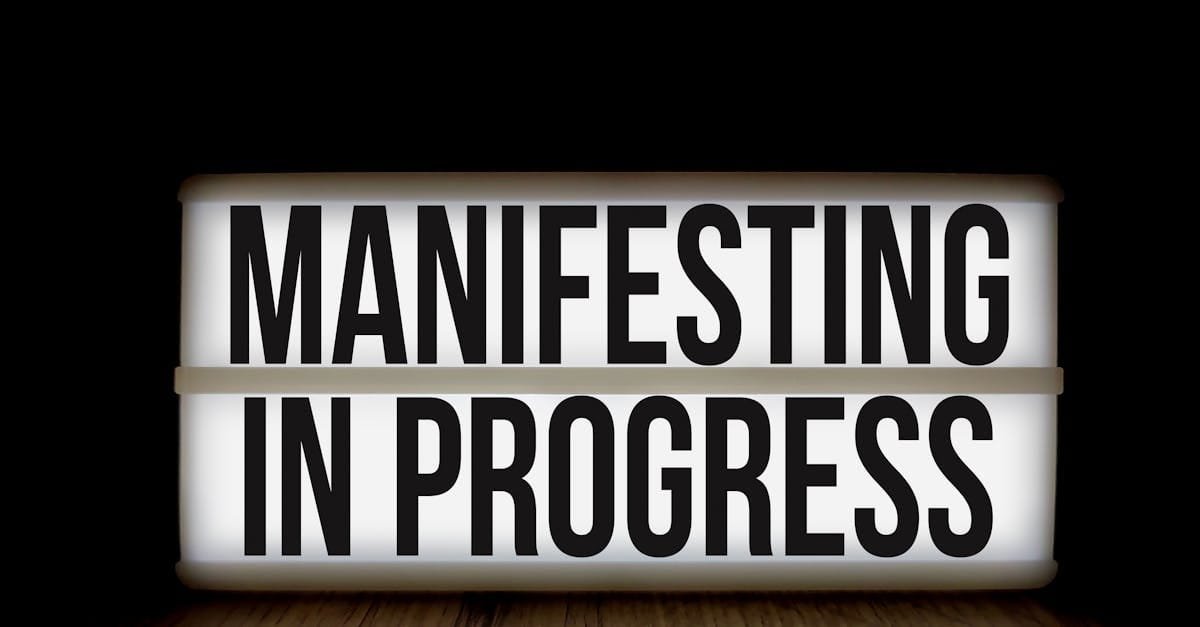
Illuminated lightbox sign with the motivational message 'Manifesting in Progress'.

Aligning Employee Goals with Organizational Success in GBS

Why Aligning Employee Goals with Organizational Success is Key in GBS Have you ever felt like you’re pushing hard at work, but somehow it doesn’t feel right? Like your efforts aren’t translating into success for your organization? Yeah, I’ve been there too. It’s frustrating, to say the least. The shared services industry, particularly in Global Business Services (GBS), thrives on alignment. It’s about everyone pulling in the same direction. Without that, you end up with a jumbled mess of efforts that just don’t connect. What’s the Core Idea? Imagine you’re loading a delivery truck. If some teammates are packing left, while others are going right, but the destination is straight ahead, guess what? It doesn’t matter how hard you work; you’ll still miss the mark. Aligning employee goals with organizational success means creating a clear roadmap. It’s like setting up a GPS for your team. You need to know where you’re going, and everyone needs to be on the same route. The Challenges We Face Communication Gaps: These happen when teams are siloed, and you end up with departments that don’t talk. Talk about a headache! Lack of Focus: If everyone’s got their own separate goals, it’s a challenge to hit the bigger target. Chaos ensues. Resistance to Change: Sometimes, people are comfy with the way things are. They’re wary of changing the status quo, even when it’s for the better. Apathy: Employees who feel disconnected from the mission can drag down the whole team. Lack of engagement is a silent killer in any organization. These challenges don’t just hinder individuals; they can demoralize an entire team. How to Align Employee Goals with GBS Success Setting the stage requires strategic thought, and luckily, it doesn’t have to be complicated. Here’s how you can do it, step by step. 1. Set Clear, Shared Goals Develop a unified mission statement. This needs to be more than words—make it a mantra. Break down company objectives into team goals. Make it real and relevant to their day-to-day tasks. Communicate these goals regularly! Keep them front and center. 2. Encourage Open Dialogue Create an environment where feedback is welcomed. Schedule regular check-ins to talk strategy. Use tools that foster communication. Platforms for instant messaging, video conferencing, or collaboration can work wonders. Encourage team-building activities. Trust grows from genuine relationships. 3. Provide the Right Resources Equip your team with the tools they need to succeed. This could be technology, training, or even just better access to information. Invest in employee development. Happy employees are engaged employees. Recognize and celebrate milestones, both individual and team accomplishments. 4. Foster a Culture of Accountability Create measurable outcomes. Everyone should know what success looks like. Promote ownership. When people feel responsible for results, they tend to step up. Review performance regularly. Have tough conversations, when necessary. It’s a part of growth. Real-Life Example: What Works Let me share a story. A few years ago, I influenced a massive shift in one of the shared services centers where I worked. The company decided it was time to revamp our approach to alignment. We developed a new set of shared goals and tied them directly to the business strategy. It was beautiful to watch our teams rally around common objectives. As a result, there was a 30% increase in team performance metrics and a significant boost in engagement scores. The key? Explicitly connecting every team member’s role and work back to the larger organizational success. Key Takeaways At the end of the day, aligning employee goals with organizational success isn’t just good for the company. It’s good for the employees too. Everyone feels the weight of their contribution, and that gives a sense of purpose. Without a doubt, organizations that prioritize this alignment see profound transformation. They experience better productivity, higher engagement, and, most importantly, they foster a culture where meaningful work happens every single day. Why Read THEGBSEDGE? If you’re looking for more insights into shared services and how to come out ahead in your GBS journey, check out THEGBSEDGE. It’s packed with resources on transformation, innovation, and leadership in the shared services space. This blog is created by someone who knows the ropes. I’m Vikrant Aglawe, and I’ve been in this game for over 20 years. I’ve watched what works and what doesn’t. I’ve come to appreciate the value of connecting employee aspirations with broader organizational goals. The bottom line? Aligning employee goals with organizational success in GBS is crucial. Let’s make it happen together. If you have any questions or thoughts, feel free to drop me a line!

Aligning Employee Goals with Organizational Success in GBS Read More »

Senior man focused on laptop in a stylish home office, surrounded by books and plants.

Driving Digital Maturity: GBS Success Stories in Shared Services

The shared services journey is no small feat. It’s a constant balancing act between operational efficiency and innovation. For those of us in the Global Business Services (GBS) space, the question isn’t whether to embrace digital maturity but how to do so effectively. Let’s delve into real-world examples where companies have not only embraced digital transformation but thrived by reimagining shared services. What is Digital Maturity? Digital maturity isn’t about having the latest technology or chasing trends—it’s about how well your organization leverages technology to create value. Key Elements of Digital Maturity: Process Understanding: Map out your current workflows and identify bottlenecks. Technology Adoption: Choose scalable, user-friendly tools that align with your goals. Cultural Evolution: Foster an environment that embraces innovation and adaptability. When these pillars align, shared services organizations can unlock unprecedented potential. Case Study 1: General Electric (GE) – Digital Twin Technology Background: GE, a global industrial powerhouse, faced inefficiencies in managing its industrial assets. They recognized the need to innovate their shared services processes, particularly in maintenance and predictive analytics. Key Initiatives: Predix Platform: Developed an industrial IoT platform to collect and analyze real-time equipment data. Digital Twin Technology: Virtual replicas of physical assets were created to predict failures, optimize maintenance, and enhance performance. GE Digital: A dedicated division was established to drive digital innovation across the organization. Results: Maintenance costs dropped by 15% due to predictive analytics. Uptime for industrial equipment improved by 20%, enhancing overall efficiency. GE’s IoT solutions became a benchmark for shared services in industrial operations. Case Study 2: Unilever – Global Finance Transformation Background: Unilever, a consumer goods giant, needed to streamline its finance operations across multiple geographies. The company embarked on a digital transformation journey to consolidate and optimize shared services. Key Initiatives: SAP Central Finance Implementation: Unilever unified financial data across regions, enabling real-time reporting and insights. Robotic Process Automation (RPA): Automated repetitive tasks like invoice processing and reconciliations. Data Analytics Integration: Leveraged AI-powered tools to identify trends and improve decision-making. Results: Reduced finance processing time by 40%, enabling faster decision-making. Achieved cost savings of $200 million annually through automation and process standardization. Enhanced compliance and reporting accuracy across global markets. Case Study 3: Procter & Gamble (P&G) – Employee Experience Revolution Background: P&G recognized that employee satisfaction was critical to the success of their GBS operations. To ensure digital transformation efforts resonated with their workforce, they focused on improving the employee experience. Key Initiatives: AI-Driven Employee Support: Implemented virtual assistants to handle HR queries, payroll issues, and IT support tickets. Workplace Modernization: Introduced cloud-based collaboration tools like Microsoft Teams and SharePoint. Feedback Loops: Established real-time employee feedback systems to measure satisfaction. Results: Employee query resolution time reduced by 50%. Engagement scores improved by 25%, fostering a more productive work environment. Increased adoption of digital tools, accelerating P&G’s overall transformation efforts. Cultural Transformation: The Key to Success Digital transformation isn’t just about technology—it’s about people. Companies that involve employees in the process see higher success rates. Example: Coca-Cola’s GBS Initiative Coca-Cola launched a global shared services transformation focused on breaking down silos. They achieved this by: Hosting innovation workshops across regions. Creating “transformation champions” within teams. Recognizing and rewarding employees who embraced digital tools. As a result, Coca-Cola’s operational efficiency improved by 30%, and their employees became active participants in the transformation journey. The Role of Metrics in Driving Maturity Measuring progress is essential for maintaining momentum in shared services transformation. Example: Philips’ Data-Driven Decisions Philips used advanced analytics to track KPIs across their shared services functions. By continuously monitoring process efficiency, customer satisfaction, and cost savings, they identified improvement areas and maintained a competitive edge. Within three years, Philips reduced operational costs by 25% and improved customer service scores by 18%. Key Takeaways for GBS Leaders Invest in Scalable Technology: Focus on solutions that grow with your organization, such as AI, RPA, and cloud platforms. Build a Change-Ready Culture: Engage employees early, encourage innovation, and foster collaboration. Monitor and Adapt: Use metrics to gauge success and pivot strategies as needed. Collaborate with Experts: Partner with vendors and consultants to stay ahead of the curve. Conclusion Driving digital maturity in shared services is a continuous journey, not a one-time project. Companies like GE, Unilever, and P&G showcase that with the right blend of technology, culture, and metrics, achieving transformative success is within reach. Are you ready to take your GBS operations to the next level? Stay inspired, stay curious, and keep learning—your transformation story is waiting to be written. For more insights, visit THEGBSEDGE and dive into the latest strategies reshaping the shared services landscape.

Driving Digital Maturity: GBS Success Stories in Shared Services Read More »

A delivery person hands over a package to a recipient using an electronic device for signature confirmation.

Aligning Customer Satisfaction Metrics with Strategic Goals

Understanding the Connection Between Customer Satisfaction Metrics and Strategic Goals Ever found yourself wondering if your customer satisfaction metrics are genuinely aligned with your strategic goals? You’re not alone. Many organizations grapple with this question. It’s something that keeps leaders up at night. The reality is simple: if your metrics and goals are misaligned, you might be chasing shadows instead of making impactful decisions. Let’s Start with the Basics At its core, customer satisfaction is all about knowing your customers. What do they want? What do they need? And, most importantly, how does that play into your organization’s bigger picture? Here’s how to get it right: Understand Your Customers: This is foundational. Knowing your audience drives every decision. Measure What Matters: Choose metrics that directly reflect customer behavior related to your objectives. Stay Agile: Customer preferences change – adapt metrics accordingly. Aligning Metrics and Goals Alright, so how do we actually align our customer satisfaction metrics with strategic goals? Here’s a step-by-step approach that I’ve found effective over my two decades in the shared services game: 1. Define Clear Strategic Goals First thing’s first: what’s your North Star? Whether it’s increasing market share, improving customer retention, or launching a new product line, you need clarity on your goals. 2. Identify Metrics That Matter Once your goals are set, it’s time to create a solid metrics framework. Here are some examples: Net Promoter Score (NPS): Measures customer loyalty, indicating how likely customers are to recommend your services. Customer Effort Score (CES): Captures how easy it is for customers to interact with you. Customer Satisfaction Score (CSAT): A straightforward way to measure satisfaction through surveys. 3. Streamline Communication Across Teams This is the glue that holds everything together. Ensure your marketing, sales, and customer service teams are all on the same page regarding both metrics and strategic goals. Implementing a Feedback Loop Now, it’s time to roll up your sleeves and implement a feedback loop. This isn’t a “set it and forget it” situation. Regularly collect and analyze customer feedback to refine your metrics. Share success stories and challenges within your organization. This boosts morale and keeps everyone focused on aligning metrics with goals. Using Technology to Boost Customer Insights In today’s fast-paced landscape, leveraging technology is key. Use customer relationship management (CRM) tools and analytics platforms to glean actionable insights from your metrics. AI can help predict customer trends based on historical data, and that information is gold when realigning strategic goals. Real-Life Example of Alignment in Action Let’s talk about a company I worked with recently. This organization had a stellar customer satisfaction score but struggled with retention. They realized their surveys were missing the mark – they weren’t asking the right questions! After restructuring their feedback process and focusing on pain points, they aligned their metrics with a clear goal: reducing churn by 15%. A few months in, and those numbers started to turn around – demonstrating clear alignment fostered a more engaged and loyal customer base. Keep Measuring and Iterating Your job doesn’t stop after you’ve set metrics and aligned them with strategic goals. Here’s how to keep the momentum going: Monthly Reviews: Have regular check-ins to evaluate performance against your metrics. Adjust as Needed: If something’s not working, change it! Adaptability is key. Celebrate Wins: When goals are met, acknowledge the hard work. This boosts team morale! Wrapping It Up Aligning customer satisfaction metrics with strategic goals is not just a nice-to-have; it’s a necessity. As a leader, you’re setting the stage for success — both for your team and for the customers. Start small, measure wisely, and never lose sight of that customer-centric approach. They are, after all, why you’re in business. If you’re serious about taking your shared services transformation to the next level, check out THEGBSEDGE. It’s packed with resources that can further guide you in your journey.

Aligning Customer Satisfaction Metrics with Strategic Goals Read More »

Scroll to Top