Leadership

For strategy, governance, and decision-making content.

A vivid red water lily blooms elegantly on a serene pond, reflecting its beauty.

Cultivating Resilient Workplace Culture in Virtual GBS Teams

Ever had a day where your laptop’s spinning wheel of death perfectly summarizes your team’s vibe? Yeah, we all have. Working in virtual Global Business Services (GBS) teams can feel like navigating a maze blindfolded. You might be wondering: How do you build a strong culture when everyone’s sitting miles apart? Where’s the teamwork when you’re stuck in endless Zoom meetings? Trust me; you’re not alone in these thoughts. It’s a challenge! But also, a huge opportunity to reinvent how we connect, communicate, and collaborate. My name is Vikrant Aglawe, and having spent over 20 years in shared services management, I’ve seen firsthand how resilient cultures create powerful teams. Let’s break down how you can foster that spirit in your virtual environment. The Foundation of Resilience First off, let’s agree on one thing: resilience doesn’t just appear out of thin air. It’s like building a muscle; it takes time, effort, and a healthy environment. Here’s how to start: Clear Vision and Goals: Everyone must understand what they’re working toward. Your team needs a compass—clear objectives help focus efforts. Open Communication: Create an environment where team members feel safe sharing ideas, challenges, and feedback. Regular check-ins are your best friends. Flexibility: Life happens. Be prepared to adapt while keeping your team’s well-being in mind. Flexibility shows you care. Recognition: Celebrate successes, big or small. A quick shout-out in a team meeting or a simple thank-you goes a long way. Building Trust in a Virtual Space Trust is the bedrock of any resilient workplace culture. But how do you build trust when your interactions happen through a screen? Here’s the scoop: Be Authentic: Let your true self shine in meetings. Share your struggles along with your successes. It’s about being real. Team Activities: Virtual coffee breaks or team games can lighten the mood and promote bonding. Think scavenger hunts or trivia nights! Follow Through: Do what you say you’ll do. Consistency fosters confidence. If you promise to check in with someone, make sure you do it. Fostering a Sense of Belonging A thriving workplace culture also means making everyone feel like they belong. Here’s how to stir that feeling in your virtual GBS teams: Diversity Matters: Embrace and celebrate diverse backgrounds and perspectives. They lead to richer conversations and better solutions. Mentorship Programs: Pair newer associates with veterans for guidance. This not only builds skills but strengthens relationships. Feedback Culture: Promote regular feedback. It’s not about criticism; it’s about growth. Make it a two-way street. Growth Mindset is Key A resilient workplace culture thrives on constant improvement. Instilling a growth mindset among your team members can be a game-changer: Encourage Learning: Share resources—blogs, podcasts, courses—that can spark interest and innovation. Platform learning doesn’t have to be stale. Embrace Mistakes: Rather than punishing failures, analyze them together. Learn and adapt; it’s a powerful bonding experience. Empower Team Members: Let them take ownership of projects. Autonomy drives motivation. Trust them to lead! The Power of Celebration Never underestimate the power of celebration, especially in a virtual setting. Here’s why it’s essential: Create Memorable Moments: Celebrate birthdays, milestones, team victories—anything that brings the team together. Virtual Fun Events: Host talent shows, theme days, or casual competitions. Laughter is vital for building connections! Share Success Stories: Highlight achievements in newsletters or team meetings. This not only acknowledges hard work but inspires everyone. Tips for Ongoing Engagement Keeping the momentum going is critical for cultivating a resilient culture. Here are some practical ways to maintain engagement: Regular Surveys: Check in with your team on how they feel about the culture. What’s working? What isn’t? Use this feedback to pivot. Create Buddy Systems: Pair team members up for projects or check-ins. This helps deepen connections. Professional Development: Offer opportunities for training and growth. It shows you care about their future and fosters loyalty. Don’t Forget Well-being A resilient workplace culture understands the importance of mental health. Here’s how to prioritize it: Encourage Breaks: Remind team members to step away from their screens. Regular breaks boost productivity. Mindfulness Practices: Consider virtual yoga or meditation sessions. They’re great for relieving stress. Open Support Lines: Have dedicated channels for mental health resources. Show your team you care about their well-being. Wrapping It Up Building a resilient workplace culture in virtual GBS teams isn’t just a nice-to-have, it’s essential for long-term success. By fostering trust, belonging, and engagement, you create a strong cadre of associates who are ready to innovate and collaborate. Remember, it’s a journey, not a sprint. Take small steps and keep the lines of communication open. Want more in-depth insights into shared services transformation, innovation, and leadership? Check out THEGBSEDGE blog, the go-to spot for shared services industry knowledge, led by my experience and enthusiasm for this space. Let’s keep pushing towards a happier, healthier, and more resilient work environment together.

Cultivating Resilient Workplace Culture in Virtual GBS Teams Read More »

A business meeting with two professionals discussing data on laptops with charts displayed.

Navigating Succession Planning for Essential GBS Leadership Roles

So let’s be real for a minute. When you think about succession planning for those critical leadership roles within your Global Business Services (GBS), what pops into your head? Stress? Confusion? The feeling that you’re trying to solve a Rubik’s Cube blindfolded? You’re not alone. It’s a maze out there, full of twists and turns. As someone who’s been around the block a couple of times in this world—having set up and managed large-scale shared service centers for different global organizations—I can tell you that the stakes are high. It’s not just about plugging in a new leader when the old one rides off into the sunset. We’re talking about maintaining stability, ensuring continuity, and pushing the needle forward. We want to thrive, not just survive. Understanding the Importance of Succession Planning First up, let’s break it down. Here’s why succession planning is non-negotiable: Business Continuity: Without a rock-solid plan, a leadership gap can cause chaos. Think of it as trying to steer a ship without a captain. Talent Development: Investing in your people means you’re getting them ready to step up when the time comes. It’s like planting seeds today for tomorrow’s harvest. Organizational Stability: A well-prepared team can pivot and adapt, minimizing disruptions when changes occur. But here’s the kicker: Getting everyone on board isn’t a walk in the park. There’s often pushback and doubts. “Why should I invest time in grooming someone for a role they might not even get?” Believe me, I’ve seen that argument play out way too often. Creating Your Succession Plan Let’s roll up our sleeves and get into the nitty-gritty of crafting a succession plan. Here’s how to do it: 1. Identify Critical Roles Not every position needs a backup. Focus on these: Leadership roles directly influencing outcomes. Key subject matter experts vital to day-to-day operations. Positions tied to critical relationships with clients and stakeholders. 2. Assess Your Current Talent Have honest conversations about your team’s strengths and weaknesses. Create a “Talent Inventory” to gauge who’s ready to step up: What skills do they bring? How do they perform under pressure? Can they lead and inspire others? 3. Develop Training and Mentorship Plans This is hands-on time. Getting someone ready for the next step might involve: Job shadowing current leaders. Formal training programs focusing on skills gaps. Building a mentorship culture—senior folks sharing their knowledge. 4. Regularly Review and Update Life changes, and so should your succession plan. Make it a priority to review it regularly: Quarterly or bi-annual check-ins. Adapting to changes in the business environment. Retaining flexibility to pivot when new challenges arise. Real-World Examples Here’s a story for you. A major company I worked with faced a leadership vacuum when their head of operations left unexpectedly. There was a mad scramble to fill that role because, guess what? They hadn’t prepped anyone for it. It turned into a chaotic few months, with decisions made on the fly and trust issues cropping up all around. Contrast that with a similar organization that had a solid succession plan in place. They had identified potential leaders months ahead. When their operations lead left, they smoothly transitioned someone from their talent pool who was already integrated into the leadership framework. It was seamless and, honestly, a lot less stressful for everyone involved. Encouraging a Culture of Success Creating a culture that values succession planning is key. It can’t be just an HR initiative; it needs buy-in from everyone in the organization. Here are some tips to encourage that culture: Communicate its importance clearly and consistently. Highlight success stories within your organization. Make it part of performance evaluations and career development pathways. You might even consider engaging in people and culture initiatives that emphasize team growth and leadership development. The Road Ahead Look, the journey isn’t always easy. Succession planning for essential GBS leadership roles takes time and effort—but the payoff is immense. If you want to stay ahead of the game, now’s the time to start building those future leaders. Think about all those skills and insights you’ve accumulated over the years. Don’t just let them walk out the door when someone moves on. Scout, develop, and nurture talent that will keep your organization thriving. Final Thoughts Succession planning doesn’t have to feel overwhelming. Start small, take actionable steps, and involve your team. This is about building a legacy of leaders who can keep driving shared services transformation forward. Feeling lost or need more insights? Check out THEGBSEDGE blog. It’s packed with leadership strategies to help you on your journey. And remember, this isn’t just about finding any replacement. It’s about setting the right people up to win. So start thinking about your next generation of leaders today, and let’s make it happen!

Navigating Succession Planning for Essential GBS Leadership Roles Read More »

Elderly woman and young woman discussing fabric designs in a fashion meeting.

Harmonizing Generational GBS Teams for Optimal Performance

Imagine being in a room filled with bright minds from different generations, each with their own perspectives, experiences, and ways of working. It’s like a clash of titans, right? But here’s the kicker: within that chaos lies the magic of harmonizing generational GBS teams for optimal performance. As someone immersed in the shared services industry for over 20 years, I’ve seen firsthand how generational differences can either be a hurdle or a stepping stone. Let’s talk about this mix—how to work with it, how to embrace it, and most importantly, how to skyrocket performance through effective teamwork. Understanding the Generational Spectrum First off, let’s break it down. We’re looking at Baby Boomers, Gen X, Millennials, and Gen Z working side by side. Each group has its own rhythm, and understanding that rhythm is the first step to harmony: Baby Boomers: Typically values hard work, loyalty, and face-to-face interaction. They’ve seen the evolution of systems, and they often prioritize stability. Gen X: The pragmatic problem-solvers. They appreciate autonomy but also emphasize collaboration. They’re often considered the bridge between old-school approaches and modern innovations. Millennials: Tech-savvy and driven by a sense of purpose. They thrive on flexibility and social responsibility. Quick to adapt but might challenge the status quo. Gen Z: Digital natives. They expect technology and communication that’s fast and efficient. They’re focused on mental well-being and diversity. Now, notice how each of these generations comes with its own skill set? This is critical when we think about creating a cohesive team dynamic. Building Bridges Through Communication Communication is where many teams stumble, and honestly, that’s what often leads to misunderstandings. Here’s how to turn communication into your greatest ally: Regular Check-Ins: Schedule consistent team meetings to allow for open dialogue. This doesn’t have to be formal—think casual catch-ups where everyone can share ideas freely. Utilize Multiple Channels: Different generations prefer different communication methods. Some love emails; others thrive in instant messaging platforms. Find a balance that works for everyone. Feedback Culture: Constructive feedback from all levels fosters growth. Encourage an environment where feedback is seen as a form of support—not criticism. Effective communication is more than just exchanging words. It’s about understanding where everyone is coming from and meeting them there. It’s honestly a game-changer. Creating a Collaborative Environment Now, let’s shift gears and talk about collaboration. It’s about making connections happen. Here’s how to get everyone on the same page: Leverage Strengths: Identify the specific skills each generation brings to the table. Assign roles accordingly, ensuring everyone feels valued and relevant. Pairing Mentorship: Set up a mentorship program where older generations mentor younger ones and vice versa. Imagine the powerhouse combination of experience and fresh perspectives. Group Projects: Foster innovation by forming cross-generational teams on projects. Let creativity flow when different minds tackle a common challenge. When everyone collaborates, ideas germinate, and performance skyrockets! Adopting Flexibility and Adaptability In today’s world, adaptability is vital. Here’s why it matters and how we can implement it: Work-Life Balance: Promote a flexible working environment. It accommodates different lifestyles and increases job satisfaction across generations. Adapt Technology: Ensure that everyone is comfortable with the tools at their disposal. Provide training sessions and resources to ease transitions and foster tech competence. Cultural Sensitivity: Embrace and respect the differing values and perspectives brought by each generation. This promotes harmony and understanding. Flexibility isn’t just a nice-to-have; it’s a must in ensuring everyone feels included and empowered. Continuous Learning and Development When was the last time you invested in learning? One of the most effective strategies for harmonizing GBS teams is encouraging an environment of continuous learning: Skill Development: Offer workshops and training programs tailored to different skill levels and interests. This not only improves expertise but also shows the team you care. Knowledge Sharing: Create a platform where team members can share their expertise. This could be through lunch-and-learns, webinars, or simple knowledge-sharing sessions. Encourage Curiosity: Foster a mindset where asking questions isn’t just welcomed; it’s celebrated. Instill the idea that every generation has something to learn from the other. We’re in the shared services industry where transformation is constant. Keeping your team in the loop means staying ahead of the curve. A Real-Life Example: Navigating Generational Differences Let’s get real for a second. A few years back, I was leading a project with a team made up of every generation imaginable. There were constant clashes over presentations. Baby Boomers wanted lengthy reports. Millennials and Gen Z? They were all about short, snappy visuals. Instead of letting these differences drive us apart, we held a brainstorming session to find a middle ground. The solution was hybrid presentations—combining detailed documents for those who crave depth with engaging slides for visual learners. Everyone loved it, and our project was a hit! That’s the beauty of it! When you harness the energy and unique strengths of your team, the outcome will surprise you. Measuring Success: Performance Metrics Okay, so we’ve harmonized the team. But how do we measure success? Here are some key performance indicators (KPIs) to keep an eye on: Employee Satisfaction: Use surveys to measure morale regularly. Higher satisfaction often translates to improved performance and retention. Project Success Rate: Monitor how frequently projects come in on time and on budget. If performance is increasing, it’s a good sign. Collaboration Impact: Track team dynamics using feedback sessions. Are team members sharing ideas and working well together? If so, you’re onto something big. Measuring isn’t about critiquing; it’s about celebrating victory and identifying areas for improvement. Final Thoughts: Embracing the Future Sometimes, it’s easy to think generational differences will derail productivity. But I’m here to tell you that they can enrich your team instead. Harmonizing generational GBS teams for optimal performance isn’t just a dream; it’s a reality we can craft together. From encouraging open communication to fostering a culture of collaboration and continuous learning, the keys lie in understanding and empathy. So, whether you’re leading a diverse team or working within one, remember: every generation has

Harmonizing Generational GBS Teams for Optimal Performance Read More »

Asian businesswoman presenting a strategic plan on a whiteboard during a workplace meeting.

Leading Change: Drive Leadership Development in GBS Success

Have you ever wondered why some organizations soar while others struggle, even when they have the same resources? Leadership development is the secret sauce—especially in Global Business Services (GBS). You might be thinking, “Isn’t leadership just a fancy title?” Not even close. Leadership development in GBS is about cultivating skills that help guide teams through transformation and optimize processes. Let’s break this down in no-nonsense terms. GBS is dealing with rapid changes in technology and market demands. If you want your team to thrive, you need to focus on leadership development like it’s your job. Because, spoiler alert: it is. Why Leadership Matters in GBS Here’s the raw truth: bad leadership can sink even the best GBS initiatives. According to a study I stumbled upon, up to 70% of change initiatives fail, often due to poor leadership. So, what’s going wrong? Lack of Vision: Leaders often need to paint a clear picture of what change looks like. Inconsistent Communication: If your team doesn’t know what’s happening, confusion reigns. Not Valuing Input: Ignoring voices from the ground level creates resentment and disengagement. If you’re not actively working on developing your leaders’ skills, you’re leaving your organization vulnerable. A top-notch leadership development program can bridge these gaps. Think about leaders as your organization’s navigators, guiding through uncertainty and chaos. Building a Leadership Development Framework First off, don’t reinvent the wheel. Take a solid existing framework and tweak it to match your needs. Here’s how: Identify Core Competencies: What skills do your leaders currently have? What gaps exist? Metrics like employee feedback, performance reviews, and even exit interviews can guide you. Tailor Training Programs: Use real-world scenarios. For example, let’s say a leader struggles with digital transformation. Create a workshop on that specific topic, using case studies from your own organization. Mentorship and Coaching: Pair leaders with experienced mentors in the industry. Real conversations can spark real growth. Continuous Feedback Loops: Adopt an iterative approach. Regularly check in on progress and recalibrate as necessary to keep things fresh. Stories from the Trenches Allow me to share a little story to bring this home. A few years back, I was involved with a large-scale GBS initiative for a financial services company. It was like trying to steer a massive ship without a map. Our leadership was grappling with the transition from traditional to digital processes. What turned the tide? We developed a leadership academy that focused on process optimization and agile methodologies. Leaders learned to embrace failure as a stepping stone, not a roadblock. Employees felt empowered to share their insights, leading to innovation we hadn’t anticipated. Within six months, team engagement skyrocketed, and we managed to implement new tech seamlessly. It was transformational! Engagement: The Key To Leadership Development Here’s where many organizations drop the ball: engagement. Your leaders must not just grow; they must contribute. Ask yourself: How often do your leaders engage their teams in decision-making? Do they actively solicit feedback? Are they accessible, human, and real? Or do they hide behind titles? Engaged leaders make for engaged teams. It’s proven. They create a culture where everyone feels responsible for success—like they are riding the same rollercoaster. Measuring Success: Beyond Metrics Metrics are great, but they’re only part of the picture. Here’s how to measure the real impact of leadership development: Employee Engagement Scores: Look for trends over time. How does team sentiment change to leadership initiatives? Retention Rates: High turnover? You might need to reevaluate leadership effectiveness. Project Success Rates: Did projects turn out to be successful? What was the feedback from team members? Innovation Metrics: Are employees proposing new ideas? Are those ideas being listened to? Remember, numbers are crucial, but stories behind those numbers matter even more. The Role of Technology in Leadership Development Let’s face it: we live in a hyper-connected world. Technology is shaping the way we lead and learn. Here’s how you can leverage it: Online Learning Platforms: Use them for leadership training. Learning on-demand is the future. Data Analytics: Use analytics to track the impact of your leadership development initiatives. Collaboration Tools: Tools like Slack or Teams can facilitate real-time conversations and feedback. Celebrate the Wins Recognizing achievements is vital. Celebrating small milestones can create momentum. Share stories of change and growth from within the organization. It builds inspiration and keeps everyone motivated. Remember, leadership development in GBS isn’t a one-off—it’s a continuous journey. Make Continuous Learning a Priority Here’s the kicker: the best leaders are those who never stop learning. Encourage your team to pursue certifications, workshops, and courses. Whether it’s through formal education or informal learning settings, cultivating a habit of continuous development pays off. As clichéd as it sounds, knowledge isn’t just power—it’s also stability in times of change. If you’re looking for more insights on overarching themes in shared services such as strategy and leadership, technology innovation, and process excellence, I highly recommend visiting THEGBSEDGE. Conclusion Embracing leadership development doesn’t just optimize processes; it’s the driving force behind true transformation in GBS. By focusing on engagement, continuous improvement, and utilizing modern tools, your organization can not only survive the storm of change but thrive within it. The time to act is now.

Leading Change: Drive Leadership Development in GBS Success Read More »

Colleagues in an office celebrating a successful negotiation with a handshake.

Navigating GBS Talent Acquisition: Strategies for 2025 Success

Are you feeling the pressure of finding the right talent for your GBS initiatives? Maybe you’re asking yourself how to stand out in a crowded market or how to ensure you’re attracting the top performers. Talent acquisition in the shared services landscape is evolving rapidly and, let me tell you, the stakes are high. As we gear up for 2025, it’s time to roll up our sleeves and dig into actionable strategies that’ll keep your organization ahead of the game. Understanding the Landscape The GBS talent acquisition landscape requires more than just filling positions. It’s about building a team that thrives on collaboration, innovation, and shared goals. You’ve got to think beyond the traditional routes. The best talent isn’t always looking at the usual job boards anymore. People are searching for organizations that resonate with their values, provide growth opportunities, and foster a strong culture. Let’s explore how you can create that irresistible allure. Define Your Ideal Candidate Before you even start the hiring process, you need to clarify what success looks like in your new hires. Consider the following: Skills vs. Experience: Skills are essential, but cultural fit often trumps experience. Look for adaptability and a willingness to learn. Soft Skills Matter: In our industry, communication and collaboration are key. Don’t underestimate the power of emotional intelligence. Long-term Vision: Seek candidates who are not just interested in the role but who see a future with your organization. Set aside time to document these qualities. This isn’t just a checklist; it’s your roadmap. Having a clear vision means everyone involved in the hiring process is on the same page. Embrace Technology Ride the wave of technology. It’s time to leverage the tools at your disposal. Here’s how: Applicant Tracking Systems (ATS): This isn’t just about managing resumes; it helps you keep tabs on candidates, streamline communication, and measure your success. AI Tools: Use AI for initial screening processes to sift through resumes quickly while keeping your focus on the human touch for final interviews. Social Media Recruiting: Get creative! Use platforms like LinkedIn and Twitter to engage potential candidates and build brand awareness. Just remember, while these tools are great, they shouldn’t replace genuine interaction. Always prioritize personal touch in your processes because that’s what sets you apart. Craft a Compelling Employer Brand Your employer brand is your calling card. It shows potential hires what they can expect from you as a workplace. Here are some ideas to consider: Showcase Your Culture: Use social media to highlight team events, celebrations, and everyday office life. Make your work environment come alive! Employee Testimonials: Encourage team members to share their experiences. Real people advocating for your organization resonate better than any marketing campaign. Highlight Learning Opportunities: Whether it’s workshops, mentorship programs, or career advancement paths, show candidates how they can grow within your company. By establishing a strong employer brand, you not only attract talent but you also lower turnover rates and improve employee engagement. Implement a Consistent Recruitment Process It’s time to standardize your approach to talent acquisition. Structured Interviews: Use the same set of questions for every candidate applying for the same role. This provides a consistent basis for comparison. Involve Your Team: Get your team members involved in the interview process. This brings a fresh perspective and helps with cultural alignment. When your process is coherent, candidates feel respected, and they can determine if they’re a good fit too. Focus on Diversity and Inclusion Today’s workforce wants to belong, and diversity is not just a buzzword—it’s a necessity. Organizations with diverse teams are more innovative and have better problem-solving capabilities. Here’s how to foster that culture: Expand Your Talent Pools: Look beyond your usual networks. Reach out to diverse communities. Inclusive Job Descriptions: Avoid jargon that can deter some applicants, and use language that invites all backgrounds to apply. A diverse team will give your organization a competitive edge as you navigate the complexities of the global market. Prepare for the Future With remote and hybrid work models here to stay, flexibility is key. Candidates are not just looking for a job; they want a lifestyle that fits their needs. Consider these actionable steps: Flexible Work Arrangements: Be open to different working styles. This increases job satisfaction and encourages productivity. Continuous Learning: Invest in ongoing training. Show candidates they can keep developing, no matter the circumstances. This is adaptability. Staying updated with trends ensures you’re always one step ahead in attracting talent. Engage with Your Candidates The process shouldn’t end after the interview. Build a relationship with your candidates. Keep open lines of communication, even if it’s just a personal message or an update on the process. Show them they matter and you value their time. Candidates who feel respected throughout the process are far more likely to accept an offer if it comes their way. Measure Your Success To navigate GBS talent acquisition successfully, track what works and what doesn’t. You need to know your analytics to adjust strategies as needed. Here are some key metrics to watch: Time to Fill: Measure how long it takes to fill a position. The shorter, the better, but ensure you don’t rush quality. Candidates Per Hire: Know how many candidates are in your pipeline for each position. Retention Rates: High turnover rates can indicate flaws in your hiring process. Being aware of these metrics can guide you in making more informed adjustments as you move towards hiring success. Create a Thriving Community This isn’t just about numbers; it’s about connections. Build a sense of community both inside and outside your organization. Encourage networking by offering events or webinars. When candidates connect with your brand on a personal level, they’re more likely to see value in joining your team. The shared services industry is moving fast, and the competition for talent is fierce. But with these strategies in hand, you’ll be well-equipped to navigate GBS talent acquisition successfully. It’s about fostering relationships, building a brand, and always staying one step ahead.

Navigating GBS Talent Acquisition: Strategies for 2025 Success Read More »

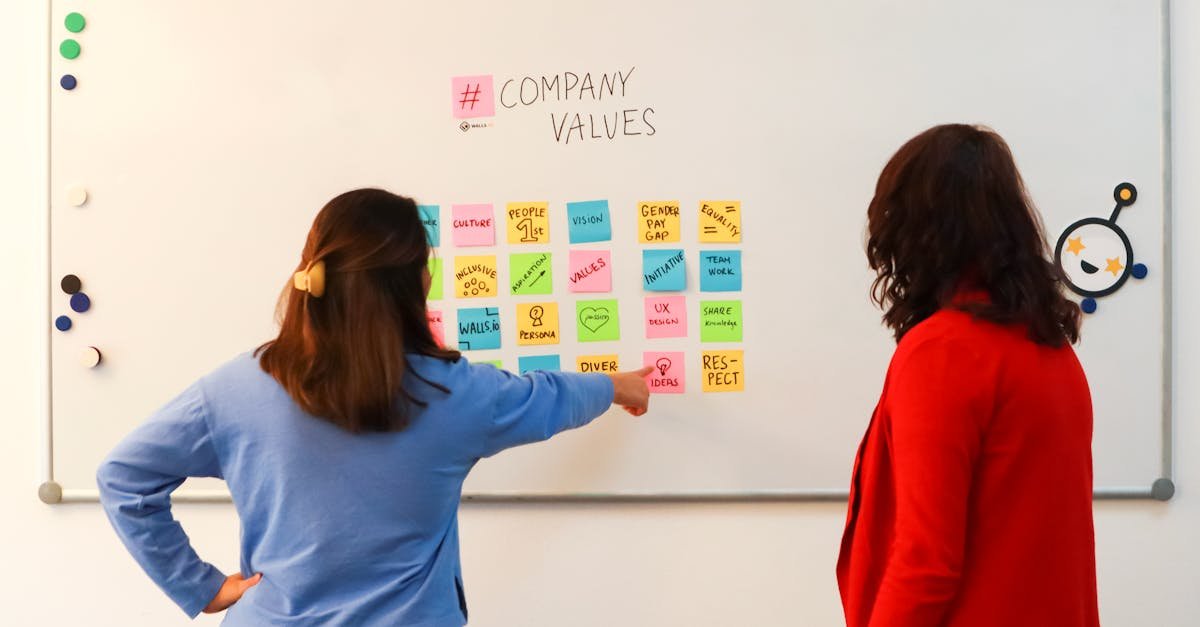
Two women discussing company values on a whiteboard in an office setting, emphasizing teamwork.

Revamp Your GBS Employee Value Proposition for Lasting Impact

Ever sit back and wonder why employees seem disengaged? Or maybe you’re tired of high turnover rates? Many leaders in the shared services industry face these struggles daily. The reality is, your Employee Value Proposition (EVP) plays a huge role in how employees perceive their workplace. If it’s weak, it’s like trying to sail a boat with holes in it. You might be going through the motions, but the leaks just keep dragging you back. Let’s tackle this together. It’s time to revamp your GBS Employee Value Proposition for lasting impact, making your workplace not just an office, but a place where people thrive. What’s the Deal with EVP? Your Employee Value Proposition isn’t just a fancy acronym—it’s the stuff that describes what your company stands for. It’s the unique blend of benefits, culture, and values that set you apart from the competition. Think of it as your brand’s promise to employees. Work Culture: Are you fostering an environment that encourages creativity and communication? Career Growth: Are your employees seeing a roadmap for their future? Recognition: Are you acknowledging your team’s hard work? Work-Life Balance: Is your team able to unplug after work? When your EVP aligns with your employees’ needs, magic happens. But how do you get there? Listen to the Noise First off, it’s critical to get feedback. And I don’t mean generic surveys that people fill out and forget. We’re talking about real conversations. Have a sit-down over coffee or a casual lunch. Feel the pulse of your team. Ask questions like: What do you love most about working here? What’s your biggest frustration? What would you change if you could? These aren’t just questions; they’re your roadmap. You can use this feedback to identify gaps and areas that need your attention. Your people know what they want. You just have to be willing to listen. Crafting a Compelling EVP Once you have that feedback, it’s time to get crafty. This is where creativity meets strategy. Your EVP should resonate with your team’s feelings, so let’s break down how to construct it effectively. Be Authentic: Don’t make promises you can’t keep. For instance, if you claim that your workplace is flexible, ensure it actually is. Transparency breeds trust. Focus on Growth: Everyone wants to better themselves. Highlight opportunities for training, mentorship, and career advancement. Make it more than just buzzwords. Emphasize Well-Being: Show your team that their mental health matters. Offer wellness programs, mental health days, or simply a supportive ear. Celebrate Wins: Create a culture of recognition. Whether it’s shout-outs during team meetings or a monthly newsletter celebrating achievements, people love to feel valued. Showcase Your EVP This is where the magic comes into play. You’ve crafted a compelling EVP, now you need to showcase it effectively. Whether you’re recruiting new talent or trying to retain your current team, awareness is key. Create engaging content that highlights your EVP. This could be testimonials from employees, success stories, or even fun videos that depict your workplace culture. Utilize social media to share what makes your company unique. Make sure each channel (LinkedIn, Instagram, etc.) has consistent messaging that ties back to your EVP. This consistency creates a strong employer brand that attracts talent. Engagement is Key Now that your EVP is out there, how do you keep the momentum going? Host regular check-ins with your team. Create space where they can voice how they feel about your initiatives. Adjust and tweak your approach as needed! Regular Surveys: Every few months, run short surveys to gauge the impact of your EVP. Feedback Loops: Create a culture of continuous feedback. Allow your employees to express their thoughts freely. Accessible Initiatives: Ensure that all programs related to your EVP are easily accessible and well-communicated. No one likes to feel lost! A Unique Perspective Let’s talk about experiences, shall we? Picture this: You’ve worked in shared services for a big name company. What stands out are the moments of connection—those times when you felt valued. That’s the essence of a robust EVP. If you can create an environment where every team member feels just as valued, you’ll foster loyalty. It’s not just about fancy perks or competitive salaries. It’s about fostering human connections and ensuring every person feels they contribute significantly. Best Practices from the Field Having spent over 20 years in the shared services industry, I’ve seen organizations succeed spectacularly and crash and burn. Here are some best practices to keep in mind: Benchmark Against the Best: Always compare your EVP with industry standards. Are you falling behind? What are the leaders doing that you’re not? Stay Adaptable: Just like markets, employee needs evolve. Stay flexible in your approach to adapt to these changes. Gather Stories: Create a repository of success stories within your company. Share these, as they give real-world examples of how your EVP comes to life. The Road Ahead Ultimately, revamping your GBS Employee Value Proposition isn’t a one-time project. It’s an ongoing journey. Each step you take toward understanding and optimizing your EVP directly impacts employee satisfaction, retention, and engagement. So, let’s break it down: Listen actively Craft thoughtfully Showcase endlessly Engage regularly With dedication and the right mindset, you can create an environment where people feel valued, not just today, but every day. This doesn’t just benefit your employees; it uplifts your organization as a whole. Remember, a strong EVP isn’t just a benefit—it’s a necessity. Want more insights on shared services transformation? Check out the THEGBSEDGE blog for expert opinions from industry leaders like me. Don’t forget, a revamp isn’t a finish line; it’s a new start! Let’s get going!

Revamp Your GBS Employee Value Proposition for Lasting Impact Read More »

A man in a yellow sweater works on a laptop at home, creating a cozy and modern atmosphere.

Navigating the Future of Work: Hybrid Models in GBS Success

Have you ever found yourself wandering how hybrid work models can shape the future of your organization? Trust me, you’re not alone. As we step into this new era, businesses everywhere are rethinking how they operate. The challenge lies in creating a work environment that maximizes productivity while keeping employees engaged and motivated. Let’s dig into what this means for the shared services industry. The Push for Hybrid Models Hybrid models blend remote work with in-office presence. This isn’t just a passing trend. It’s become a vital strategy for shared services. Flexibility in work hours Better work-life balance Increased job satisfaction Access to global talent Companies like yours that embrace hybrid models can foster an atmosphere where employees feel trusted and valued. But it’s not all rainbows. Shifting to this model requires thought, especially regarding collaboration and communication. The Importance of Collaboration in Hybrid Work Picture this: your team is a blend of in-office go-getters and remote innovators. How do you ensure synergy? Here are some strategies that work: Invest in the right tech: Set your team up with communication platforms. Tools like Slack or Zoom are game-changers. Regular check-ins: Keep everyone in the loop. Schedule weekly or bi-weekly meetings to discuss projects and updates. Foster inclusivity: Make sure remote team members feel as much part of the squad as those who are in-office. Emphasize results over hours: Focus on deliverables rather than time spent online. Each of these points is crucial in creating a vibrant work culture. You want your employees to thrive, regardless of where they are working from. Challenges of Hybrid Work Models While there are merits, challenges lurk in every corner. Some common hurdles include: Communication gaps: Misunderstandings can creep up faster than you think. Team cohesion: Maintaining camaraderie can be tricky when team members are scattered. Technology issues: Not everyone has access to the same resources. These issues can lead to decreased efficiency if not managed well. The kicker? Acknowledging these challenges is the first step in solving them. Cultivating a Thriving Organizational Culture Culture is the backbone of any successful organization, especially in hybrid modes. To cultivate a strong culture, here’s what you can do: Define your values: Be clear about what your company stands for and share it regularly. Create social opportunities: Host virtual happy hours or team games to bond. Encourage feedback: Foster an environment where everyone feels comfortable sharing ideas and concerns. The more effort you put into nurturing your culture, the better results you’ll see in your shared services performance. The Role of Leadership in Hybrid Work In these uncharted waters, leadership plays an instrumental role. Leaders need to: Set clear expectations. Support career development. Be visible and approachable. Your team will take cues from your actions. If they see you making time for engagement, they’ll be more likely to mirror that behavior. Process Optimization in Hybrid Environments What about process optimization? This is where the magic happens. A few steps to get you started: Leverage automation: Use tech to streamline mundane tasks. Standardize processes: Create clear procedures that everyone can follow, regardless of their location. Analyze performance regularly: Use metrics to assess what’s working and what needs refining. By focusing on process optimization, you align your team to work smarter, not harder. Efficiency isn’t just a buzzword—it’s your best friend in a hybrid environment. Marketing Your Hybrid Model Internally So, you’ve adopted a hybrid model. Now what? Time to share it! Here’s how to effectively market it: Communicate the benefits: Showcase how this model improves work-life balance and productivity. Share success stories: Highlight teams and individuals thriving in this new setup. Keep channels open: Encourage ongoing dialogue around the model and make adjustments based on feedback. Remember, transparency is key. Measuring Success in Hybrid Shared Services How do you know if this shift is paying off? Consider tracking: Employee engagement: Use surveys to gauge morale. Productivity metrics: Monitor output compared to past performance. Attrition rates: A drop in turnover is always a positive sign. These insights are invaluable as you continue to refine your hybrid strategy. Wrapping it Up: Your Next Steps The future of work isn’t set in stone. Hybrid models are malleable, adapting to your organization’s needs. If you’re looking for inspiration and concrete strategies on shared services transformation, check out THEGBSEDGE blog. It’s packed with rich content covering topics like innovation and leadership in the shared services space. Don’t shy away from experimenting. Trust your instincts, be flexible, and watch how your newly adopted hybrid model plays out. Here’s the bottom line: The path ahead is bright for organizations that embrace change, stay committed to their employees, and continuously learn from their experiences. This journey toward hybrid success is just beginning. And with the right strategies in place, you’re not just navigating the future of work; you’re thriving in it.

Navigating the Future of Work: Hybrid Models in GBS Success Read More »

A vibrant scene of unity and pride with diverse individuals enjoying a sunny day together.

Transforming Global GBS: Effective DEI Strategies for Impact

Have you ever felt like your workplace doesn’t quite reflect the diversity of the world outside? Or maybe you’ve noticed that not every voice gets a chance to chime in during team discussions? Trust me, you’re not alone. Many teams operating within Global Business Services (GBS) encounter this, making it crucial to embrace effective Diversity, Equity, and Inclusion (DEI) strategies. Today, let’s break this down together. Why DEI Matters in GBS To kick things off, let’s chat about why DEI isn’t just a buzzword—it’s essential for transforming Global GBS. Consider this: Varied Perspectives Lead to Innovation: When teams are made up of diverse individuals, they bring different ideas and approaches. This mix can spark creativity and drive innovation. Enhanced Problem-Solving: Grab a handful of colleagues with unique backgrounds, and watch them tackle challenges from different angles. The result? Better solutions. Stronger Engagement and Retention: When employees feel valued and included, they’re more likely to stick around and contribute positively to the team. Building the Foundation: Assessing the Landscape Before diving into action, it’s critical to assess where you currently stand. Here’s a straightforward approach: Gather Data: Look at demographics, employee feedback, and engagement levels. What does your team look like? What are people saying? Identify Gaps: Are there areas where certain groups are underrepresented? Pinpoint those gaps. Set Clear Goals: Define what success looks like for your DEI initiatives. Is it increasing minority representation? Enhancing employee satisfaction? This clarity will guide your steps. Implementing Effective Strategies Now, let’s talk tactics. How can you actually implement these strategies in GBS? Here are some concrete ideas: Recruitment: Widen your talent pool. Partner with organizations that focus on underrepresented groups. Think outside traditional channels to attract a better mix of applicants. Training and Development: Introduce DEI training sessions. Help employees understand unconscious biases and the value of inclusive practices. Employee Resource Groups (ERGs): Create platforms where employees can connect, share experiences, and voice concerns. This fosters community and belonging. Mentorship Programs: Facilitate mentorship opportunities that encourage diverse pairings, allowing knowledge transfer across experiences. Creating a Culture of Inclusion When it comes to DEI, simply implementing strategies isn’t enough. Shifting the culture is where the magic happens: Encourage Open Dialogue: Create a safe space for conversations about DEI. Let employees know their voices are heard. Celebrate Diversity: Acknowledge cultural events and celebrate various perspectives. It creates unity. Accountability: Track your progress and hold leaders accountable for DEI goals. Transparency is key. Measure Your Impact Let’s get real—you won’t know if you’re making progress without proper measurement. Here’s how to go about it: Regular Surveys: Send out surveys to gauge employee sentiment about DEI initiatives. Are people feeling more included? Diversity Metrics: Analyze representation data. How are you moving the needle over time? Feedback Loops: Ensure feedback mechanisms are in place. Are employees comfortable sharing their thoughts and suggestions? Stay Committed This isn’t a one-time project; it’s a continuous journey. Consistency is your ally. Share updates, celebrate wins, and remain transparent about challenges. This authenticity builds trust. Real-World Example: A GBS Transformation Story Let me share a story. A few years back, I was involved with a large GBS operation that wanted to revamp its DEI approach. Their first step? A thorough assessment that unveiled some eye-opening insights about their workforce demographics. They formed a DEI task force composed of members from various levels and backgrounds to guide the initiatives. Through targeted recruitment practices and mentorship programs, they managed to increase minority representation in key roles by 30% in just under a year. The energy in the workplace shifted dramatically—people felt empowered, valued, and proud to contribute their unique voices. The results didn’t just show in engagement scores but also in innovation metrics. New ideas flowed, collaboration increased, and they even improved client satisfaction ratings. Your Call to Action As you embark on or enhance your DEI journey in the GBS landscape, remember this isn’t just about checking boxes. It’s about embracing the rich tapestry of experiences and perspectives that can elevate your team and, ultimately, your results. For more insights into transformation, innovation, and leadership in the shared services industry, don’t miss out on THEGBSEDGE. Here, I share my experiences and the lessons I’ve learned in over 20 years of shaping GBS operations worldwide. Let’s keep the conversation going! Sign up and join the journey toward impactful transformation. Feel free to explore more related topics on strategy and leadership or take a look at people and culture for innovative ideas.

Transforming Global GBS: Effective DEI Strategies for Impact Read More »

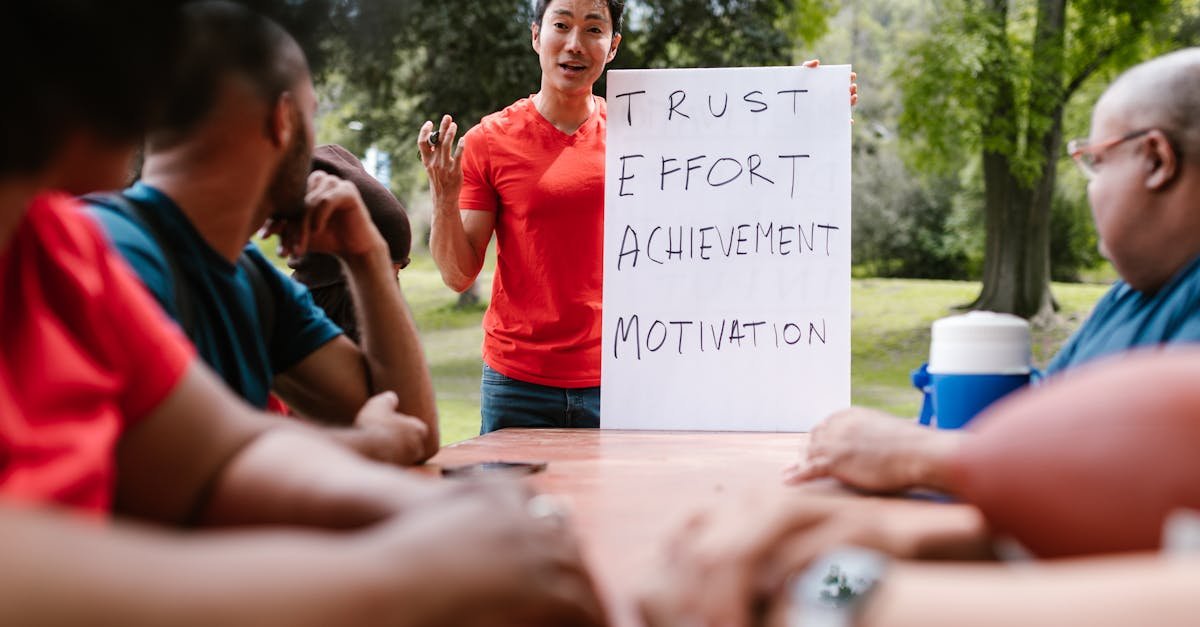
Diverse group engaged in outdoor team building, highlighting trust and effort.

Building High-Performance GBS Leadership Teams for Success

Let’s get real for a second. Do you ever wonder why some GBS (Global Business Services) leadership teams soar while others just float along? You might feel like you’re juggling a million tasks, trying to optimize processes and drive transformation while keeping your team engaged. It’s a lot. And you aren’t alone. Creating a high-performance leadership team isn’t just about filling seats with qualified individuals. It’s about creating a culture of innovation, accountability, and adaptability. Wanna know the secret sauce? Let’s break it down. 1. The Right Mix of Skills and Backgrounds First things first, let’s talk about team composition. You need a diverse mix of skills and experiences at the table. This goes beyond just having technical expertise. Here’s what to consider: Functional Expertise: Make sure you have specialists in finance, HR, IT, and operations. Cultural Fit: Hire those who can mesh well with your team’s vibe. Leadership Style: Look for complementary leadership styles so the team can balance each other out. When you blend varying perspectives, you get creative solutions. A financial expert may see things differently than an operational genius, leading to valuable troubleshooting. 2. Foster Open Communication Ever tried assembling IKEA furniture without the instruction manual? Yeah, frustrating, right? That’s how your team feels without clear communication. Here are some killer tips to boost communication: Encourage Feedback: Create a safe space where team members can express thoughts and suggestions. Regular Check-ins: Consistent meetings allow everyone to sync and share updates. Use Tech Wisely: Leverage collaboration tools to keep everyone in the loop. Effective communication builds trust, and trust leads to teamwork. Isn’t that the dream? 3. Create a Culture of Accountability Ever mess up and point fingers only to realize it was a team effort? We’ve all been there. To cultivate a high-performance GBS team, accountability is crucial. Here’s how to build it: Set Clear Goals: Make sure everyone knows what’s expected and by when. Recognize Achievements: Celebrate wins, big or small. Recognition fuels motivation! Own Up to Mistakes: Encourage the team to learn from failures rather than hide from them. This kind of environment pushes people to perform at their best. 4. Embrace Continuous Learning The world doesn’t stand still, and neither should your team. In the GBS landscape, transformations happen fast. Here’s how to stay ahead: Training Programs: Invest in ongoing training sessions to keep everyone sharp. Share Resources: Distribute articles, webinars, and podcasts related to process optimization and industry trends. Encourage Personal Growth: Support team members pursuing certifications or classes. Pushing the continuous learning envelope not only improves individual skills but also enhances overall team performance. 5. Leverage Technology for Enhanced Collaboration If you’re not leveraging tech, you’re missing out. Here are some tech tools that keep things running smoothly: Collaboration Software: Tools like Slack or Microsoft Teams can enhance real-time communication. Project Management Tools: Trello, Asana, or Monday.com can keep tasks organized. Data Analytics Tools: Use these to provide insights that guide decision-making. The right tech streamlines processes and encourages a culture of collaboration. 6. Measure Performance Effectively You can’t fix what you can’t see. Establishing KPIs is key. Here’s how to do it wisely: Identify Relevant Metrics: Look for data that reflect team performance and overall goals. Implement Regular Reviews: Set quarterly reviews to analyze successes and areas for improvement. Be Transparent: Share performance data with the team for collective awareness. Measurement drives improvement. If your team knows how they’re doing, they’ll strive to do even better. 7. Build Relationships, Not Just Teams Do you remember your childhood friends? The camaraderie and support? That’s the kind of bond you want in your GBS leadership team. Here’s how to foster relationships: Team-Building Activities: Plan fun outings or workshops to break the work routine. Encourage Mentorship: Pair experienced leaders with newer members for guidance. Open Social Channels: Share non-work-related interests to enhance personal connections. Stronger relationships lead to better collaboration and higher performance. 8. Stay Agile and Adaptable The business landscape changes faster than you can say “shared services transformation.” Your leadership team needs to pivot when necessary. Follow these tips to maintain agility: Embrace Change: Keep an open mind about new processes and innovations. Solicit Ideas: Encourage team members to suggest ideas for improvement and change. Keep Pivots Simple: When making changes, ensure everyone understands the reasoning behind them. Adapting quickly keeps your team relevant. 9. A Focus on Customer Experience Ultimately, it’s all about the customer, isn’t it? Your shared services should not just support internal processes but also enhance the customer experience. Here are some ways to integrate this thinking: Customer Feedback Loops: Collect and analyze feedback to adjust services accordingly. Personalization: Tailor experiences based on customer interactions to show you care. Training on Customer Care: Equip team members with soft skills to handle customer interactions better. A team that focuses on customer-centricity will deliver transformational results. The Road to Success Building high-performance GBS leadership teams for success is a journey, not a destination. By focusing on the right mix of skills, fostering open communication, boosting accountability, and leveraging technology, you’ll lay the groundwork for greatness. Need more insights? Check out THEGBSEDGE blog, where we dive deep into shared services transformation, innovation, and leadership. Transform your GBS teams today, and watch them thrive. We’re all in this together! Happy optimizing!

Building High-Performance GBS Leadership Teams for Success Read More »

Iron Robot and Blue Sky Background

Cultivating a GBS Innovation Culture for Lasting Impact

Are you tired of the same old processes not getting you anywhere? You’re not alone. Many shared services teams feel trapped in a cycle of inefficiency. The truth is, to navigate the complex landscape of shared services transformation, you need more than just a great strategy. You need a culture that fosters innovation and adaptability. So, how do we cultivate this innovation culture? Let’s break it down. Embracing Change Is Non-Negotiable Change can feel overwhelming. But it’s also an opportunity to reshape how we operate. Start with small changes. Test new ideas on a smaller scale before a full rollout. Here’s how: Pilot Programs: Launch a pilot program for process optimization before expanding it. Feedback Loops: Create channels for employees to share their suggestions and experiences. Recognition: Celebrate teams and individuals who take the initiative to innovate. I’ve seen firsthand how fostering a culture that rewards experimentation transforms the workplace dynamic. People feel more empowered and willing to share groundbreaking ideas. Prioritize Collaboration Over Competition If everyone’s trying to outdo each other, you miss the point of innovation. Build cross-functional teams to share ideas and tackle problems. Here are some key steps: Brainstorming Sessions: Regularly schedule sessions to discuss challenges and solutions. Shared Goals: Align everyone on common objectives across departments. Mentorship Programs: Pair up seasoned pros with newer team members to share insights. When team members collaborate, they amplify each other’s strengths. I remember a project where finance and IT worked together to streamline reporting—it not only cut down the time spent but also boosted everyone’s morale. Invest in Learning and Development You can’t expect innovative ideas to flourish if your team feels stuck in their roles. That’s why continuous learning is key. Here’s how to kick-start this culture: Workshops: Organize regular skill-building workshops. Conference Attendance: Encourage team members to attend relevant seminars and conferences. Online Courses: Provide access to platforms where employees can learn new skills at their own pace. When your team sees that you’re willing to invest in them, they’ll be more motivated to contribute to innovation culture. I once had a team member transition from a data entry role to a process expert position, all because they were given access to tools to learn on their own. Talk about a win-win! Leverage Technology to Fuel Innovation Technology isn’t out to replace us; it’s here to empower us. But only if you engage with it the right way. Investing in the right tools can be a game-changer: Cloud Solutions: Utilize cloud technology for better data accessibility. Automation Tools: Deploy automation for repetitive tasks. Analytics Platforms: Dive deep into data analytics to spot trends and optimize processes. By integrating effective technology solutions, you can free up your team’s time for more creative, strategic tasks. I’ve seen organizations transform their shared services landscape by effectively leveraging low-code platforms, enabling teams to build apps that suit their specific needs without waiting on IT. Open Communication Channels If people feel they can’t speak up, you’ll miss golden opportunities for innovation. Fostering a transparent communication culture is critical. Here’s how to make that happen: Regular Check-Ins: Hold frequent, informal meetings to discuss ongoing projects. Suggestion Boxes: Implement both physical and digital suggestion boxes for anonymous feedback. Town Hall Meetings: Encourage dialogue between all levels of the organization. I remember when our leadership team started holding open forums for sharing ideas and feedback. It felt empowering—team members were not only heard, but they also became active contributors. Measure and Iterate You can’t transform what you can’t track. Measuring success is vital for understanding what works and what doesn’t. Implement these strategies: KPIs: Establish clear Key Performance Indicators to monitor progress. Surveys: Regularly survey employees to gather insights on the innovation culture. Team Reviews: Schedule periodic reviews to discuss what innovations had the biggest impact. By analyzing how your initiatives perform, you can adjust plans and drive more meaningful change. I’ve watched many teams abandon programs that didn’t work, which ultimately led to a more focused drive towards what truly resonated. Leadership Matters It all starts from the top. Leadership plays a significant role in cultivating an innovation culture. Here’s how leaders can set the tone: Lead by Example: Show your team that you’re open to new ideas and approaches. Encourage Risk-Taking: Promote calculated risks without the fear of failure. Be Accessible: Create an environment where team members can approach you with ideas. I can’t stress enough how impactful supportive leadership is. One manager I worked with transformed his team’s energy just by being approachable and supportive. Open-door policies lead to open minds! Celebrate Wins, Big and Small No one likes to feel like their hard work goes unnoticed. Celebrating wins fuels motivation and innovation. Consider the following tactics: Spotlight Shoutouts: Feature teams that implemented successful changes in company communications. Rewards Programs: Set up rewards for innovative ideas and contributions. Team Celebrations: Celebrate project completions or milestones, no matter how small. When you build a culture of recognition, it highlights the value of innovation. I remember a time when a small team was recognized for simplifying a process that saved hundreds of hours. It sparked a chain reaction of similar initiatives across departments. Final Thoughts Cultivating a GBS innovation culture isn’t an overnight feat. It takes ongoing dedication, adaptability, and most importantly, a community willing to experiment and grow. As someone who’s spent over 20 years navigating the shared services industry, I can attest to the power an innovative culture holds. You can start today by fostering collaboration, investing in your team, and leveraging technology. For more insights into transforming your processes and driving innovation, check out THEGBSEDGE, where we explore shared services transformation and much more.

Cultivating a GBS Innovation Culture for Lasting Impact Read More »

Scroll to Top