Teams & Professionals

For actionable, operational content.

Close-up view of a planner page with motivational text and colorful designs.

Mastering Goal Setting Methods for Strategic Leadership Success

Have you ever felt overwhelmed by the myriad of tasks on your plate? Or found yourself lost in the chaos of leadership, questioning whether your goals align with your team’s capabilities? You’re not alone. Many leaders face the challenge of strategically setting and achieving goals. But here’s the kicker – mastering goal setting methods can turn the tide in your favor. What is Strategic Goal Setting? Strategic goal setting goes beyond the conventional ‘set it and forget it’ mindset. It’s about creating a roadmap that not only outlines your objectives but also inspires your team to engage wholeheartedly. It’s about ensuring everyone understands their role in the journey. If you’ve ever led a project, you know that without a clear direction, progress falters. The Power of Alignment When I started my journey in the shared services industry, one thing became abundantly clear: alignment is everything. Here are some actionable insights based on my 20+ years of experience: Ensure goals are interconnected. Every goal should relate back to the larger company vision. Get input from your team. Engaging them in the process fosters ownership and accountability. Be flexible. Sometimes, markets change, and goals need to shift accordingly. SMART Goals: A Framework You Can Trust You’ve probably heard of SMART goals. This framework can be a game-changer when setting clear, actionable objectives: Specific: Define what you want to achieve. Measurable: Establish metrics to assess progress. Achievable: Set realistic goals. Relevant: Align with broader organizational objectives. Time-bound: Set deadlines to create urgency. Using this method can streamline your approach, bringing both clarity and focus to your leadership efforts. Strategies to Maintain Momentum Once you’ve set your goals, keeping that momentum going is crucial. Here’s how you can maintain enthusiasm in your team: Celebrate milestones. Acknowledge even the small wins to boost morale. Provide regular feedback. Constructive criticism can be a powerful motivator. Encourage transparency. Keeping communication lines open fosters trust and collaboration. Stay adaptable. Don’t be afraid to tweak goals as new challenges arise. Creating a Culture of Accountability Accountability is the bedrock of success in goal setting. It ensures that everyone, from associates to specialists, understands their responsibilities. Here are a few ways to cultivate this culture: Assign clear roles and responsibilities. Host regular check-ins to discuss progress and roadblocks. Use performance metrics to track outcomes. These tactics help keep your team focused and empowered. Leveraging Technology for Goal Tracking In today’s tech-driven world, utilizing tools can streamline your goal-setting process. Consider these options: Project management software like Trello or Asana can help track objectives in real time. Dashboards for visual metrics keep everyone informed and engaged. Communication tools like Slack foster collaboration and sharing of updates. Storytime: My Goals Gone Wrong Let me share a story. Early in my career, I managed a large-scale shared service center. We had ambitious goals – but we made one critical mistake. We didn’t involve the team enough in the goal-setting process. As a result, motivation plummeted. I realized that without team buy-in, goals meant nothing. We revamped our approach, seeking input at every stage, and the turnaround was incredible. The results were telling. Engagement surged, and we soared past our targets. The Importance of Reflection Reflecting on your progress is as crucial as setting the goals themselves. Ask yourself: What’s working? Celebrate those successes! What isn’t? Don’t shy away from adjusting your goals or strategies. This practice not only drives continuous improvement but also keeps you grounded in your leadership journey. Conclusion: Lead with Purpose Mastering goal-setting methods isn’t just a task; it’s a continuous journey. As leaders, our role is to guide our teams with clarity, purpose, and vision. By implementing these strategies, you’re well on your way to ensuring your leadership is not just effective, but transformative. If you want to dive deeper into shared services transformation and leadership, check out THEGBSEDGE, where we cover more on these topics and share valuable insights. Remember, mastering goal setting methods is not just about crossing off boxes; it’s about fostering a culture of excellence and empowerment.

Mastering Goal Setting Methods for Strategic Leadership Success Read More »

Professional woman writing notes while working in a contemporary office environment.

Crafting Your Personal Development Plan for Team Success

We all know the struggle, right? You’re in a meeting, the boss is talking strategy, and all you can think about is your own career. What’s next for you? How do you fit into the grand plan? We want to be part of something bigger, but let’s be real: personal growth is hard. It feels daunting to balance your ambitions while also supporting your team’s success. So, let’s break this down. Crafting a personal development plan (PDP) that aligns with team goals isn’t just a checkbox exercise. It’s your ticket to being not just a player but a star on your team. When your team thrives, so do you. That’s the magic of shared services transformation. You contribute your skills, learn new ones, and become a vital part of a winning team. Setting the Scene Think about your role for a minute. Are you an associate looking to level up or a process expert who wants to become a go-to resource? Whatever your position, you have potential waiting to be tapped. The first step? Understanding your current skills and where you want to go. This isn’t some corporate checkbox; this is about you, your career, and your team. Identify your strengths. What do you bring to the table? Recognize your weaknesses. What skills do you need to develop? Envision your goals. Where do you want to see yourself in the next year? Your PDP is about creating a roadmap—a plan tailored to boost both your career and the team’s success. It’s not about being what anyone else wants you to be; it’s about harnessing your unique talents and putting them to good use. Goals: More Than Just Buzzwords Now let’s talk about goals. Everyone loves to toss around the term “SMART,” right? Specific, Measurable, Achievable, Relevant, Time-bound. But it’s more than just a formula. Your goals need to resonate with you and your team’s objectives. Here’s how to do it: Specific: Instead of saying, “I want to be better at my job,” try “I want to improve my project management skills by taking an online course.” Measurable: Define the metrics. “I’ll complete two projects using these new skills within the next six months.” Achievable: Don’t set yourself up for failure. Make sure your goals are realistic given your current workload and resources. Relevant: Connect your goals to the team’s needs. If your team is pushing for better customer experience, align your skills improvement accordingly. Time-bound: Set deadlines. “By the end of Q2, I’ll apply my new skills on a live project.” The clearer your goals are, the easier it’ll be for you to crack that personal development code and contribute to your team’s success. Learning and Development: Your Unique Journey The path to growth is never a straight line. Each associate, specialist, or super user has a different story behind their passion and career trajectory. You need to tap into that passion. How? Start with continuous learning—because trust me, the learning never stops. Consider these learning options: Online Courses: Platforms like Coursera or Udemy can be game-changers. Find courses in areas you’re curious about or skills you need to acquire to help your team. Mentorship: Seek out someone who’s been in your shoes. Learning from someone else’s journey can give you insights you won’t find in a textbook. Feedback: Don’t shy away from asking for feedback. It’s tough, but constructive criticism is gold when it comes to your growth. Each of these avenues can propel you forward while fortifying your team’s strengths. When you grow, your team grows with you. Creating an Action Plan Alright, we’ve talked about goals and learning. Now it’s time to put it all into action. An action plan helps you outline the steps necessary to achieve your goals. Here’s a simple way to create one: Break It Down: Take each goal and dissect it into smaller, actionable steps. This makes it less overwhelming. Set Deadlines: Assign timelines for each action step. This keeps you accountable. Regular Check-Ins: Schedule weekly or monthly check-ins with yourself. This helps you stay on track and make adjustments as needed. A simple action plan might look something like this: Goal: Improve Excel skills Action Steps: Enroll in an online Excel course next week. Set aside 30 minutes every Wednesday to practice. Use new Excel skills in my next project due in two months. Engaging with Team and Leadership Your personal development doesn’t exist in a vacuum. It’s crucial to engage with your team and leadership throughout this journey. Their insights can empower you in your growth. Plus, they’ll appreciate your efforts. Share Your Goals: Don’t be afraid to let your team know what you’re working on. Collaborate: Use your newfound skills to help others. Team success increases when we lift each other up. Solicit Feedback: Regularly check in with your manager about your progress and ask for their advice. This engagement not only strengthens your network but also positions you as an integral part of the team’s success story. Measuring Your Success So, how do you know you’re making progress on your PDP? You measure it, of course! Evaluating your progress is key to ensuring you’re headed in the right direction. Self-Assessment: Regularly review your goals and actions. Celebrate small wins to keep your motivation high. Feedback from Others: Check in with your mentor or leader for their perspective. Are they seeing changes in your performance? Revisit Your Goals: Goals can be fluid. If something isn’t working, it’s okay to revise them. The aim here is to ensure your personal growth aligns with team success, just as much as your team is aiming for shared services transformation. Your Role in Team Success Ultimately, crafting a personal development plan isn’t just about you; it’s about creating a ripple effect in your team. When you grow, you contribute to something more significant. It’s like a well-oiled machine where every part matters. Your journey inspires your colleagues to invest in their growth, too. By openly sharing successes, challenges, and lessons, you create

Crafting Your Personal Development Plan for Team Success Read More »

Thoughtful man in a bright room holding his glasses while leaning against a wall.

Mastering Stress Management: Strategies for Leaders in Shared Services

Hey there, fellow leaders in shared services. Ever find yourself juggling a ton of responsibilities, feeling like you’re walking a tightrope? You’re not alone. Many of us in the industry face this daily chaos—balancing operations, navigating through endless emails, and keeping our teams motivated. It can feel overwhelming. Stress isn’t just a buzzword; it can affect our decision-making, impact our teams, and lower our overall productivity. That’s why mastering stress management is not just important for personal well-being; it’s crucial for effective leadership in shared services. Put It to Practice: A Real-Life Story Let me share a story. A few years back, I was leading a major project in a shared services center. We had multiple stakeholders involved, tight deadlines, and, oh boy, the pressure was on. Late nights and early mornings became my routine. But as I dove deeper into the work, I realized something was off. My team wasn’t engaged; they were just as stressed as I was. That’s when it hit me: Stress management was my priority now. So, I shifted gears. I started practicing techniques that not only helped me but also empowered my team to manage their own stress. Expecting the workload to magically decrease was wishful thinking. Instead, we tackled the issue head-on together. Strategies to Alleviate Stress So, how do we manage this stress beast? Here are some hands-on strategies that I have found effective: Communicate Openly: Make it a habit to check in with your team regularly. Encourage them to share their challenges, ideas, and suggestions. Open dialogue fosters a supportive environment. Set Clear Expectations: Ambiguity breeds stress. Clarify roles and responsibilities to help your team understand their tasks—and empower them to take ownership. Emphasize Work-Life Balance: Promote a healthy work-life balance by respecting boundaries. Encourage time off, and model this behavior yourself. You can’t pour from an empty cup. Practice Mindfulness: Simple breathing techniques or a quick meditation session during breaks can recharge your brain and body. Mindfulness helps you stay grounded, even when things get hectic. Celebrate Wins: Recognizing accomplishments is crucial. Whether it’s a small project completion or achieving a milestone, celebrating as a team builds camaraderie and lifts spirits. Implementing these strategies was a game changer for my team. We turned stress into productivity and chaos into collaboration. Balancing Tasks in a Fast-Paced Environment In shared services, the pace can be relentless. It’s vital to master the art of balancing multiple tasks without crumbling under pressure. Here’s how to do it: Prioritize Tasks: Not everything is urgent. Use a priority matrix to categorize tasks based on urgency and importance. Focus on what truly moves the needle. Leverage Technology: Use project management tools to streamline processes. Automating repetitive tasks frees up your time to focus on strategic initiatives. Delegate Effectively: Trust your team. Delegate tasks according to individual strengths. Empowerment leads to accountability. Regular Check-ins: Quick daily or weekly huddles keep everyone on track and address issues swiftly before they escalate. Stay Adaptable: Plans change—sometimes on a dime. Being flexible will save you from losing your cool. Creating a Supportive Culture As leaders in shared services, we don’t just manage tasks; we shape the environment in which our teams thrive. Building a supportive culture is essential. Here’s what you can do: Promote Positivity: As simple as it sounds, having a positive outlook can shift the entire energy of your team. Share uplifting stories or positive feedback. Encourage Collaboration: Foster teamwork through group projects. When people feel connected, they support one another, reducing stress levels. Offer Development Opportunities: Invest in your team’s growth by providing training sessions. This boosts confidence and nurtures new skills. Provide Resources: Equip your team with tools that promote mental wellness, whether it’s access to counseling services or workshops on stress management. Lead by Example: Show your team that it’s okay to take breaks, ask for help, or pace themselves. Your behavior sets the tone for the entire shared services environment. Remember, a supportive culture not only helps manage stress but also enhances productivity and job satisfaction in the long run. Reflect: What’s Your Stress Management Style? It’s important to assess your stress management approach as a leader. It’s not just about managing your stress but also about how you affect those around you. Here’s a mini checklist: Am I leading with empathy? Do I encourage open communication? Am I modeling a healthy work-life balance? How do I respond to stress in front of my team? What adjustments can I make to support my team better? Self-reflection is key. Adjusting your approach can have a profound effect on your team’s ability to handle stress. Why Stress Management is Key to Shared Services Transformation As we dive into shared services transformation, managing stress becomes even more crucial. Why? Because change is hard, and it often brings a wave of anxiety. When embarking on transformation projects, teams will naturally feel the pressure. As leaders, it’s our job to help guide them through this process. By fostering an environment where stress management is prioritized, we set the stage for successful transformations. People thrive in environments where they feel safe to express their concerns and collaborate on solutions. And let’s be real—shared services are evolving. With new technologies and processes, change is the only constant. But we can equip our teams to handle that change without burning out. Let’s Wrap It Up Mastering stress management isn’t just a fluffy concept; it’s an essential skill for us as leaders in shared services. By implementing these strategies, we create resilient teams equipped to handle challenges head-on. Stress should be managed—never ignored. So, the next time you feel that familiar weight of stress creeping in, remember: It’s all about the approach. Your mindset can turn a stressful situation into a learning opportunity. And for more insights on thriving in the shared services realm, don’t forget to check out THEGBSEDGE blog. It’s a goldmine of knowledge for those navigating the waters of transformation, innovation, and leadership in this space.

Mastering Stress Management: Strategies for Leaders in Shared Services Read More »

A couple enjoying leisure time with a book and laptop in their living room.

Mastering Work-Life Integration: Strategies for Shared Services Success

Ever feel like you’re juggling a thousand things at once? You’re not alone. Many of us in the shared services world are caught in this whirlwind of obligations and expectations. Let’s face it, work-life balance has turned into a bit of a buzzword, right? But let’s strip it back. We’re not trying to balance two competing forces. What we need is work-life integration. So, what does that even mean? Understanding Work-Life Integration Work-life integration isn’t about drawing a hard line between your job and personal life. Instead, it’s about blending them seamlessly. Imagine your day as a fluid experience, where work and life coalesce into a rhythm that suits you. Here’s the kicker: Volume has increased in shared services, and the expectations are sky-high. You might find yourself wondering how to handle demands without sacrificing personal time. The key is to create an environment that allows for flexibility. Strategies to Achieve Work-Life Integration Ready to implement some actionable strategies? Let’s dig in. 1. Set Clear Boundaries Define your work hours and stick to them, as much as possible. Use tools like calendars to highlight when you are available and when you’re not. Communicate your boundaries to your team. This is crucial for mutual understanding. 2. Embrace Flexibility Work from home? Perfect! Use it to your advantage to manage family commitments. Implement core work hours that everyone agrees on, but let your team take ownership of their schedules. 3. Make Time for Yourself Allocate blocks of time for personal activities, even if it’s just half an hour for a walk. Incorporate habits like meditation or reading into your routine, giving your mind a breather. 4. Leverage Technology Use collaboration tools to stay connected but not overwhelmed. Set email alerts for urgent communications only. Real-Life Integration Examples Let’s keep it real. Here’s how some people have navigated this tricky landscape. A colleague of mine manages customer experience for a large shared services firm. She started using block scheduling effectively. All her meetings happen in the mornings, leaving her afternoons free for deep work. Result? She’s happier and more productive. Another friend, who specializes in process optimization, takes time every day to step away from her screen. A brisk walk outside clears her mind and gives her room to think creatively. She swears by it, claiming it helps her tackle challenges head-on. These stories highlight how diverse strategies can lead to success, even in bustling shared services environments. Building a Supportive Culture Creating an integrated work culture doesn’t happen overnight. It starts with open dialogue. Encourage team members to share their struggles and successes. This doesn’t just help individuals; it strengthens the entire team’s fabric. Additionally, leadership should champion these values. When your senior associates model this behavior, it trickles down through the ranks. Fostering Employee Engagement In a shared service center, engagement can often feel like a distant goal. What if you could change that? Here are some tips: Conduct regular check-ins to explore team well-being—encourage honest conversations about workload. Promote team-building activities that blend both work and play. This fosters camaraderie. Recognize efforts, big and small. A simple “thank you” can go a long way. The Role of Leadership in Shared Services Success Success in shared services doesn’t just rest with the teams executing on the ground. It starts at the top. Leaders must be empathetic and adaptable. When leaders prioritize work-life integration, it shifts the culture. It shows that they’re invested in their teams’ happiness and productivity. That’s powerful. Establishing Long-Term Goals OK, let’s talk goals. Setting long-term objectives is important, but let’s look at it through the lens of integration. Align company values with personal values. This way, employees see their work as fulfilling. Encourage professional development in areas that excite your team members. This isn’t just about hitting metrics. It’s about creating a community where everyone thrives. Continuous Improvement in Shared Services Talk about process excellence! In shared services, continuous improvement isn’t optional; it’s essential. Gather feedback often. What’s working? What’s not? Create a safe environment where suggestions are welcomed. This makes everyone feel valued and engaged. And don’t just collect feedback; act on it. Make improvements where needed. It shows that you care about the team’s input and are actively working toward integration. Final Thoughts Mastering work-life integration in shared services is absolutely achievable. It requires a blend of clear strategies, supportive culture, and effective leadership. Every story is unique—tailor these strategies to fit your style, your team, and your organization. Remember, a happy, engaged team is a productive one. Let’s strive to transform our work-life dynamics for shared services success. If you’re looking for more insights on shared services transformation and culture, I highly recommend checking out THEGBSEDGE blog, where I dig deeper into these topics.

Mastering Work-Life Integration: Strategies for Shared Services Success Read More »

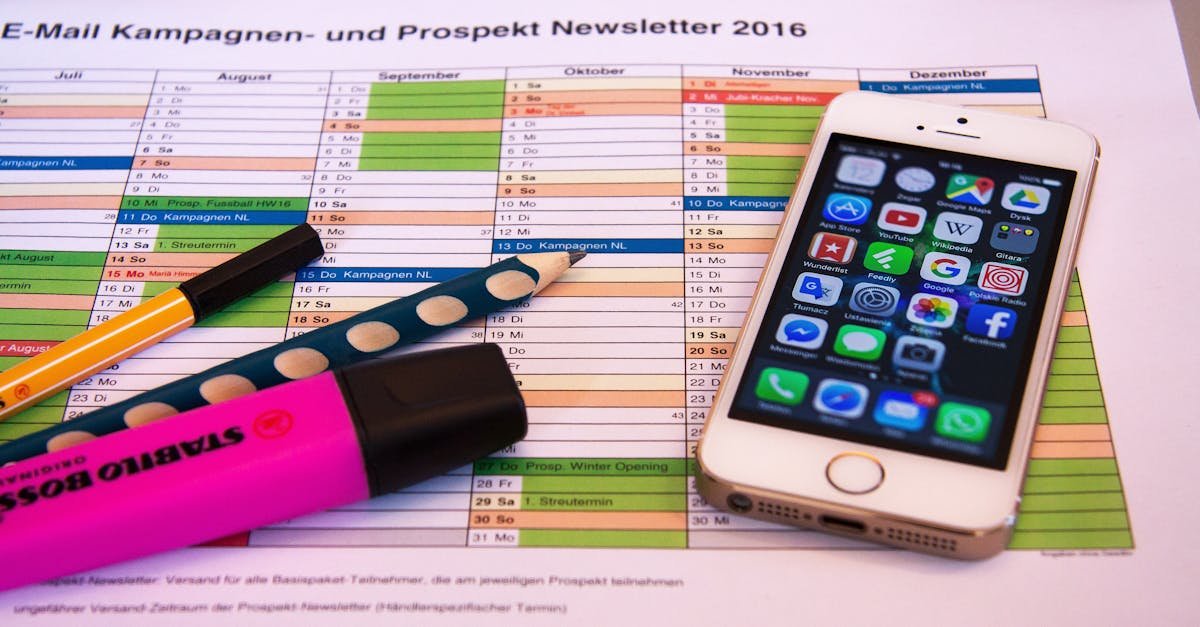
A desk setup featuring a planner, pens, and a smartphone displaying app icons, ideal for productivity.

Maximize Team Efficiency: Essential Productivity Tools for Success

Maximizing Team Efficiency Through Productivity Tools Ever found yourself drowning in emails, struggling to meet deadlines, or managing overlapping projects? Yeah, I get it. Team efficiency can feel like a mythical beast—one that always stays just out of reach. As someone who’s set up and led several shared service centers for over 20 years, I’ve seen it all. And trust me, navigating the maze of productivity tools can be a game changer when it comes to enhancing your team’s efficiency. Let’s untangle this together and explore essential productivity tools that can truly make a difference. Understanding Team Dynamics Before diving into the tools, we need to get why team dynamics matter. All members bring different skills, perspectives, and strengths. This colorful mix can either lead to confusion or creativity, depending on how we navigate it. Wondering what can turn chaos into clarity? It starts with choosing the right productivity tools. Here are some guidelines to consider: Communication is Key: Make sure everyone is on the same page. Tools that streamline communication can cut back on misunderstandings and save time. Collaboration Over Competition: Foster a sense of teamwork. Select platforms that encourage collaboration rather than competition. Flexibility Matters: Ensure your productivity tools adapt to your workflow, not the other way around. Top Productivity Tools to Consider Let’s talk tools. Here are some of the best productivity tools for maximizing team efficiency that you can’t afford to overlook: 1. Project Management Software Tools like Trello, Asana, and Jira breathe life into project management. They let you: Track progress in real-time. Set clear milestones. Allocate resources effectively. For instance, I used Trello for a major shared services transformation initiative. It was incredible to see tasks moving from “To Do” to “Done” while keeping everyone in the loop. 2. Communication Platforms Email chains can get ridiculous. Switching to communication tools like Slack or Microsoft Teams can greatly enhance real-time collaboration. Pro Tip: Create dedicated channels for different projects to reduce noise. 3. Document Collaboration Tools Tools like Google Workspace or Microsoft 365 allow team members to collaboratively edit documents. You can: Share files easily. Get real-time feedback. Maintain version history. Just imagine working on a presentation and getting instant feedback from your team instead of waiting for emails to bounce back. Game changer, right? 4. Time Management Tools Keeping track of how and where you spend your time is crucial for efficiency. Tools like Toggl or Clockify help you: Identify time wasters. Understand productive hours. Make data-driven adjustments. This was especially useful when juggling multiple teams and projects. I could optimize my day based on real insights. Fostering a Culture of Feedback Accountability makes a world of difference. Incorporating feedback loops into your productivity processes can shine a light on areas needing improvement. Schedule regular check-ins where team members can share what’s working and what’s not. Also, let’s be clear: feedback should be constructive, not just a list of complaints. The Role of Leadership Leadership sets the tone. As a leader, show your team how to embrace these tools and methods. Share your experiences—both wins and losses. When I launched a new tool that failed to resonate, I was open about it. We learned from that experience and adapted. Lead by Example Embrace the tools yourself. If you’re pushing for a collaborative platform, be the first to utilize it. Show your team it’s worth it. Measuring Success The final piece of the puzzle is measuring success. Without metrics, you’re just throwing spaghetti at the wall. Here are some metrics to consider: Project completion rates. Team productivity levels. Time spent on collaborative efforts versus solo tasks. The insights from these metrics can dramatically inform your next steps in shared services transformation. They tell you where to focus your energy and resources. Wrapping It Up So there you have it—ways to maximize team efficiency with essential productivity tools. It comes down to clear communication, effective collaboration tools, and an open atmosphere where feedback thrives. Are you ready to take the plunge? Jump in and embrace the tools that resonate with your team. You’ll be amazed at how much smoother your operations will flow. For more insights on shared services and to stay ahead of the curve in industry trends, check out THEGBSEDGE blog. You won’t regret diving deeper into topics surrounding transformation, innovation, and leadership. Join the conversation, share your stories, and continually improve. Cheers to a more efficient team!

Maximize Team Efficiency: Essential Productivity Tools for Success Read More »

Young frowning man in suit and glasses looking at wristwatch while waiting for appointment sitting at desk with laptop

Mastering Time Management: Strategies for Shared Services Success

Ever feel like you’re swimming against the tide with your to-do list getting longer by the minute? It’s a real struggle, especially in the fast-paced world of shared services. From managing emails to juggling endless meetings, time often slips through our fingers like sand. Over my 20 years in the outsourcing and offshoring industry, I’ve seen it all, and I’ve felt the pressure too. But here’s the deal: mastering time management is not just a nice-to-have; it’s essential for success. Understanding the Challenge Let’s get real for a second. In shared services, our days can get hectic. We wear many hats, and each task feels urgent. But without a solid strategy, it’s easy to feel overwhelmed. Strategy #1: Prioritize Like a Pro One of the first steps to better time management is knowing what actually matters. Here’s how: Make a daily list: Identify top three priorities every day. Use a matrix: Urgent vs. important. Focus on what’s important first. Be flexible: Adjust priorities as needed; don’t be locked in. When I started applying this method, it was a game changer. A simple list created focus and clarity, allowing me to handle tasks efficiently—and with purpose. Strategy #2: Time Blocking Time blocking has worked wonders for me. Here’s a quick breakdown: Schedule work in blocks: Set specific times for focused work without distractions. Include breaks: Short breaks help reset your brain and boost productivity. Respect the block: Treat that time as sacred; don’t let distractions creep in. When you allocate time for specific tasks, it’s almost magical how much more you can get done. Strategy #3: Limit Interruptions Interruptions are the silent killers of productivity. Here’s how to tackle this: Turn off notifications: A silent phone can do wonders for focus. Communicate boundaries: Let your team know when you’re in the zone. Create a distraction-free zone: If possible, have a space dedicated to focused work. Once, I dedicated a couple of hours to deep work without any interruptions, and it was incredible what I achieved. Strategy #4: Leverage Technology Technology can be a double-edged sword, but when used wisely, it can save you tons of time. Here are some tools I swear by: Task management apps: Tools like Trello or Asana help organize tasks visually. Calendar apps: Google Calendar for scheduling and reminders. Automation tools: Automate repetitive tasks with software like Zapier. Utilizing these resources can significantly cut down time spent on mundane tasks. Strategy #5: Reflect and Adjust Time management isn’t just about planning; it’s also about reflecting on what works. Here’s what you can do: Weekly reviews: Assess what was effective and what wasn’t. Adjust strategies: Tweak your approach based on what you learn. Keep learning: Read articles, attend workshops, and evolve your techniques. I can’t stress enough how critical this step is. If you’re not evaluating, you’re stagnating. Putting It All Together In the hustle and bustle of shared services, mastering time management is crucial. Having the right strategies can make a world of difference. With these actionable insights, you’ll not only feel in control but also boost your team’s overall success. Real-World Story: An Example to Inspire Let me share a quick story. I had a colleague who was always frantic, juggling projects. She started blocking her calendar effectively. After a few weeks, she reported feeling more at ease. She even joked about how she’s taken up “coffee breaks” as a reward after productive blocks. She’s now more productive, happier, and influencing her team in the same way. Conclusion: Take That Step If you’re in shared services, I can’t recommend enough diving into these strategies. By prioritizing, blocking time, managing distractions, leveraging the right tools, and reflecting regularly, you set yourself up for success. For more insights on time management and shared services transformation, check out THEGBSEDGE blog, where I share my journey and expertise regularly. Take the time today to master your management, and watch your effectiveness soar!

Mastering Time Management: Strategies for Shared Services Success Read More »

A diverse group of business professionals engaged in a strategic meeting.

Mastering Stakeholder Management for Shared Services Success

Why Stakeholder Management Matters in Shared Services Let’s be honest. Managing stakeholders can sometimes feel like herding cats, right? You know you have a group of people with different priorities, needs, and perspectives. It’s no walk in the park. But here’s the catch — if you nail stakeholder management, you set the stage for shared services success. Those ups and downs? They become a thing of the past when you effectively engage everyone involved. Think of it this way: getting everyone on the same page can transform chaos into a well-oiled machine. Imagine this scenario: your team is launching a new shared services initiative. You have a stellar plan, but you forgot to loop in key stakeholders. As a result, you face resistance, misunderstandings, and ultimately, project delays. Not fun, right? Trust me, I’ve seen it a thousand times over in my 20+ years in the outsourcing and offshoring industry. The lesson? Stakeholder management isn’t just a nice-to-have; it’s essential if you want to thrive in this game. Understanding Your Stakeholders First things first. You’ve got to know who your stakeholders are. Here’s a quick rundown of some common players in the shared services field: Executive Management: They want to see the big picture. Your job? Show them how your initiatives align with broader organizational goals. Service Users: These are the folks on the front lines who will interact with your shared services. Their insights are gold. IT Teams: They’re critical for tech integration. Collaborate with them early to avoid technical headaches later on. Compliance and Finance: If you want to keep everything above board, you’ll need to keep these guys in the loop. Understanding their interests and motivations is crucial. When you get what drives them, you can tailor your communication and make them feel involved. Take the time to map out your stakeholders. Use a simple grid to categorize them by influence and interest; this will help you strategize on how to engage each group effectively. The Art of Communication So, how do you keep everyone in the loop? A transparent approach to communication is key. Here’s what strategies have worked for me over the years: Regular Updates: Send out newsletters or progress reports. It doesn’t have to be fancy; just share what’s happening regularly. One-on-One Check-Ins: Sometimes, nothing beats a personal touch. Schedule individual meetings with key stakeholders to gather feedback and build rapport. Collaborative Platforms: Use tools where everyone can see documents and updates in real-time. Think Google Docs or dedicated project management software. When you keep lines of communication open, it becomes easier for stakeholders to voice concerns, offer suggestions, and feel part of the process. You can even create a “Stakeholder Engagement Plan” that outlines who needs what information and when. This helps clarify responsibility while keeping everyone informed. Building Relationships Now, let’s shift gears to relationships. It’s not just about the work; it’s about building connections. Here’s a quick thought experiment: think of the best leader you’ve ever worked with. Why were they effective? Chances are, they invested in their relationships. To foster trust, show genuine interest in your stakeholders. Ask questions about their challenges and listen actively. Be Approachable: Make it known that your door is always open. Celebrate Wins Together: Whether big or small, acknowledge achievements that involve your stakeholders. It builds goodwill. Adaptability: Not everyone prefers the same method of communication. Get a feel for who likes emails versus in-person chats and adjust accordingly. Having champions in different areas can make huge waves in pushing your shared services agenda forward. Addressing Conflicts Head-On Let’s face it. Conflicts will arise. They’re unavoidable. The question is: how do you handle them? Don’t shy away; lean into it. Here’s my mantra: “If it’s a problem now, it’ll be a bigger problem later.” Identify Early Signs: Stay alert for early red flags. Feedback from your service users can be very telling. Facilitate Discussions: Bring stakeholders together to air grievances. With a neutral facilitator, conversations can help clear the air. Find Common Ground: Focus on shared goals. Stakeholder management becomes easier when everyone knows they’re heading toward the same destination. I’ve seen disagreements evolve into stronger collaboration when stakeholders feel heard and understood. Take those bumps in the road as opportunities to build a stronger team dynamic. Measuring Success Here’s where you get to shine. How do you know if your stakeholder management is working? Here are some indicators: Engagement Levels: Are stakeholders actively participating in discussions? Feedback Quality: Positive, constructive feedback often means trust is developing. Project Timeliness: Are projects moving forward as planned? A smooth project flow generally suggests strong stakeholder buy-in. Keep track of these metrics through surveys or informal check-ins. And don’t forget to adapt! If something isn’t working, ask for feedback and be flexible. Wrapping It Up So, there you have it—the essentials of mastering stakeholder management in shared services. It’s largely about relationship-building, open communication, and being proactive about potential issues. Remember, stakeholders are the backbone of your shared services strategy. If they’re on board, you’re miles ahead of the game. As you navigate this journey, keep things human. In this industry, we thrive by fostering connections that lead to shared successes. For more insights on mastering shared services transformation, check out THEGBSEDGE—the go-to place for deep dives into transformation, innovation, and leadership. Don’t forget to learn more and subscribe at THEGBSEDGE. Let’s enhance our skills together, one blog post at a time!

Mastering Stakeholder Management for Shared Services Success Read More »

Confident businessman in suit shaking hands at office desk, symbolizing successful partnership.

Unlocking Client Success Metrics for Strategic Impact in Shared Services

What’s the most reliable way to show whether your shared services are hitting the mark? It’s all about client success metrics. If you’re shaking your head, I get it. Many of us have been there, sifting through numbers, trying to figure out how to make sense of it all. But these metrics? They’re not just a nice-to-have. They’re your ticket to improving operations, demonstrating value, and driving success. The Heart of Client Success Metrics Let’s break this down. Client success metrics can be the lifeline for organizations running shared services. For starters, think about the key performance indicators (KPIs) that matter most. What signals the success of your service delivery? Utilization Rate: Are your resources being used effectively? Client Satisfaction: How do your clients feel about the services? Service Level Agreements (SLAs): Are you hitting your targets? These metrics aren’t just buzzwords. They’re foundational for understanding where you stand. For instance, if client satisfaction is trending downwards, it’s a signal to dig deeper and figure out the root causes. Strategies for Collecting Data Once you’ve identified which metrics matter, you need a solid strategy for collecting and analyzing that data. Here are some ways to tackle this: Surveys and Feedback: Regular feedback ensures you catch issues early. Analytics Tools: Implement software that tracks and reports on performance automatically. Stakeholder Interviews: Sometimes, a simple conversation can yield insights that data alone cannot. Making Sense of the Numbers You’ve got your KPIs and data collection strategies. Now, it’s about making sense of the numbers. This isn’t just about reporting; it’s about storytelling. Can you weave a narrative from your numbers that highlights triumphs and pinpoints areas for growth? Think of your metrics as a story waiting to be told. For instance, if a decrease in utilization rate correlates with longer processing times, you’ve just identified a critical bottleneck. Building Actionable Insights Metrics alone don’t drive change. Actionable insights do. They’re your roadmap for improvement. Here’s how to shift from raw data to action: Identify Trends: Look for patterns over time. If client satisfaction dips during certain months, it’s time to dissect those periods. Prioritize Initiatives: Not every metric is critical. Focus on the ones that will have the biggest impact. Set Concrete Goals: Establish clear objectives based on your insights. For example, aim to improve client satisfaction scores by 10% in the next quarter. Communicating with Stakeholders Your findings are only as good as your ability to communicate them. Don’t just present numbers; articulate their significance. Here’s how: Tailor Your Message: Know your audience. Senior leadership may want high-level overviews, while operational teams might need the nitty-gritty. Visualize Data: Use graphs and charts to paint the picture clearly. Share Success Stories: Highlight wins alongside the numbers. Everyone loves a good success story! Creating a Culture of Continuous Improvement Implementing client success metrics isn’t a one-time event. It’s an ongoing journey. Fostering a culture of continuous improvement ensures you stay on top of your game. Here are some pointers: Encourage Feedback: Create a safe space for team members to share insights or concerns. Regular Training: Equip your team with the tools they need to excel. Celebrate Milestones: Recognizing achievements builds momentum. Real-World Examples Let’s get a bit more practical. Picture this: a shared services team notices a drop in their SLA compliance rate. Instead of panicking, they analyze their data and roll out a new workflow. This not only improves compliance but also boosts overall team morale. They turned a potential crisis into an opportunity for growth. Another example? Consider a financial shared services operation seeing a dip in client satisfaction. After gathering feedback and running an analytics report, they discover delays in their invoicing process are the culprit. By streamlining this part of their operation, they also enhance client interactions, showcasing the power of actionable insights. Wrapping It Up Your client success metrics drive strategic impact in shared services. Keep them at the forefront of your strategy. Remember to: Identify what metrics matter. Create actionable insights from data. Communicate effectively with stakeholders. Foster a culture of continuous improvement. By doing this, you’re not just checking a box; you’re paving the way for sustainable success. For more insights and actionable tips on shared services transformation, head over to THEGBSEDGE blog. It’s packed with the kind of content that sparks change, straight from someone who’s been in the trenches for over 20 years—Vikrant Aglawe. The shared services journey is challenging yet rewarding. Let’s tackle it together with the right knowledge and strategies!

Unlocking Client Success Metrics for Strategic Impact in Shared Services Read More »

Man and woman shaking hands in a cityscape setting, symbolizing a business partnership.

Building Bridges: Effective Partnerships in Shared Services Management

Building Bridges: Why Partnerships Matter in Shared Services Management Ever sat down, coffee in hand, wondering why partnerships often feel like they’re held together by duct tape and good intentions? We’ve all been there. Bringing together different teams, aligning objectives, and just making things work in shared services management can be more complicated than solving a Rubik’s Cube blindfolded. Why is partnership so vital? Because when you build bridges, you open doors. You unlock a world of possibilities that can transform your team’s performance and create an environment where collaboration thrives. The Power of Effective Partnerships in Shared Services Think of it this way: effective partnerships are like a well-oiled machine. Each cog affects the others. If one part isn’t working, the whole thing screeches to a halt. Here are a few reasons why effective partnerships in shared services management are key: Increased Efficiency: When teams collaborate, they streamline processes, reducing redundancy and saving time. Shared Knowledge: Collaboration fosters an environment of learning. Team members can share insights that lead to smarter decision-making. Enhanced Flexibility: With strong partnerships, teams can pivot quickly when faced with new challenges, adapting to the ever-evolving demands of the market. Better Customer Experiences: Unifying different teams creates a consistent approach to customer service, leading to higher satisfaction rates. Real Stories: Winning Through Collaboration Let’s talk about a shared services center I once helped establish. The goal was clear: enhance service delivery through a collaborative approach. We brought together teams from various departments: finance, HR, and IT. Initially, it was like herding cats. Each department had its way of doing things, and let’s face it—there was a lot of resistance. But we knew that shared services could only shine through effective partnerships. So, we established weekly cross-department meetings that turned out to be game-changers. At first, everyone just showed up, but with time, people started sharing their challenges and successes. It became more than just a meeting; it turned into a brainstorming hub. And the results? A 30% decrease in processing time for shared tasks, smoother workflows, and happier teams. Now, that’s the kind of transformation we’re after! Finding Your Shared Services Partners Not all partnerships are created equal, though. Here’s how to find and foster the right ones: Identify Common Goals: Before pairing up, know what success looks like for everyone involved. Open Communication: Encourage honest conversations. It’s better to confront challenges head-on than tiptoe around them. Foster Trust: Building bridges takes time. Establishing trust allows for more open and fruitful discussions. Celebrate Wins: Take a moment to recognize joint achievements. It’s motivation for everyone. The Role of Leadership in Partnership Success If you’re leading a team, you know that your support is crucial. Effective partnerships need strong leadership to guide them. Here’s what to keep in mind: Be a Role Model: Show how collaboration drives results. When leaders embrace partnerships, their teams will follow suit. Provide Resources: Ensure your teams have the tools they need to communicate and work together. Encourage Initiative: Empower your team members to take the lead and seek out collaborative opportunities. Overcoming Challenges in Building Partnerships Partnerships can be messy. Here are common challenges that might pop up and ways to tackle them: Cultural Differences: Different departments have their own cultures. Promote a shared values framework to unify the teams. Conflicting Priorities: Make sure everyone understands the common objectives. Aligning priorities is crucial for collaboration. Resistance to Change: Change is hard for many. Address concerns and highlight the benefits of collaborating. Technology: Your Partner in Shared Services In our increasingly digital world, technology can feel like a partner in crime. Here’s how tech can elevate your partnerships: Collaboration Tools: Leverage platforms that make communication seamless, whether through project management software or chat tools. Data Sharing: Invest in systems that allow easy access to shared data. The more transparent, the better. Automation: Use technology to automate repetitive tasks, freeing up minds for creative problem-solving. The Long Game: Sustaining Partnerships Once you’ve built those bridges, keeping them strong is essential. Think of it like tending to a garden. Here’s how to cultivate those relationships: Regular Check-Ins: Make it a habit to discuss how things are going. Reflect and adapt as needed. Solicit Feedback: Encourage honest feedback. It helps in identifying areas needing improvement. Adapt and Grow: As your business evolves, so should the partnerships. Keep them dynamic and aligned with new goals. A Culture of Collaboration Building bridges isn’t just about forming partnerships for the sake of it. It’s about creating a culture where collaboration is the norm, not the exception. These partnerships can transform shared services management and boost overall performance. So, let’s stop treating partnerships as an afterthought. Let’s make them a priority. And when that culture of collaboration sets in, there won’t be anything we can’t achieve together. For more insights on shared services transformation, be sure to check out the THEGBSEDGE blog. It’s a treasure trove of knowledge that can elevate your shared services game!

Building Bridges: Effective Partnerships in Shared Services Management Read More »

Man presenting with tablet to a small seated audience in a modern indoor setting.

Transforming Client Training Programs into Strategic Assets

Ever felt like your team’s training is just a checkbox exercise? Like, something to complete and forget about? We all know that feeling. You sit in a session, and it’s just… blah. Information overload without real-world application. Let’s flip that script. Here’s the deal: your client training programs can be way more than just sessions. They can become powerful assets that drive performance, retention, and satisfaction. So, how do you transform these training programs into something strategic? Let’s talk about some real, actionable steps. Understanding Your Audience First things first, know who you’re serving. Identify the specific needs and pain points of your audience. What challenges do they face regularly? What skills do they lack? This will shape how you design your training. Imagine designing a course that speaks directly to your participants’ interests and challenges—talk about impact! Here are a few questions to consider: What problems are they trying to solve? What are their preferred learning styles? (Visual, auditory, kinesthetic?) How can you make this training relevant to their day-to-day tasks? Designing Engaging Content No one wants to sit through a boring PowerPoint presentation. For real. Keep it light and engaging. Use real-world scenarios, role-playing, and even gamification. Yes, I’m talking about quizzes and badging for completion. Trust me; it works wonders. Consider incorporating the following elements: Interactive exercises that allow for hands-on learning. Short videos that present case studies or testimonials. Group discussions to foster collaboration and idea exchanges. Utilizing Technology for Better Learning Now, let’s talk tech. With the rise of digital learning platforms, you can make your training more accessible. Think Learning Management Systems (LMS) that track progress and provide resources on-demand. No more waiting for the next training session to get answers. Consider using: Webinars for real-time interaction and feedback. Mobile learning apps for learning on the go. Analytics tools to measure effectiveness. Feedback Loop for Continuous Improvement Once your training is up and running, don’t just set it and forget it. Create a feedback loop. Ask participants what worked, what didn’t, and what they want more of. This is where the magic happens. Implement surveys or post-training evaluations to gather insights. Pay attention to anecdotal feedback, too. That’s gold. Use that data to adapt and evolve your programs. Linking Training with Organizational Strategy Now, let’s connect the dots. Understanding your organization’s goals is key to shaping your training programs. Your clients want to know, “How will this training help us?” Show them how the skills learned can directly influence their performance metrics. For instance, if your organization prioritizes customer experience, your training should focus heavily on client interaction skills. This way, you’re creating a tangible link between training and business outcomes, proving that these programs are strategic assets. Celebrating Success and Building Community Once the training’s complete, don’t stop there. Celebrate successes! Recognize achievements publicly to build morale and engagement. Create a community of learners who can continue to share best practices and support each other’s growth. Trust me; this creates a ripple effect. Use shared platforms for team members to connect, discuss, and share insights gained from the training. This fosters a culture of continuous learning, directly linking back to improved performance. Bringing It All Together There you have it. Transform your client training programs into strategic assets that resonate with learners. By understanding your audience, designing engaging content, leveraging technology, gathering feedback, and linking training to organizational goals, you can ensure your programs are effective and impactful. It all starts with a shift in mindset. See training not just as a task to complete but as an opportunity to sharpen skills, foster growth, and empower teams. If you’re ready to start this journey, the next step is reaching out to me or visiting THEGBSEDGE for more insights on shared services transformation. This is Vikrant Aglawe, and I encourage you to make your training programs work harder for you. Remember, when training becomes a strategic asset, everyone wins.

Transforming Client Training Programs into Strategic Assets Read More »

Scroll to Top