Teams & Professionals

For actionable, operational content.

A conceptual image featuring a question mark drawn on a chalkboard, ideal for problem-solving contexts.

Uncovering Root Causes in Shared Services Using the 5 Whys

Ever find yourself scratching your head over constant hiccups in your shared services processes? You’re not alone. Many of us in the industry have faced the frustration of recurring issues that no matter how many times we fix, they just keep popping back up. It’s maddening, right? That’s where the 5 Whys technique comes into play. It’s not just a fancy buzzword—it’s a powerful tool that can help you dig deep and uncover the real root causes of those pesky problems. In this blog post, I’m going to share how you can implement this simple yet effective method in your shared services environment. What is the 5 Whys Technique? The 5 Whys is a straightforward questioning technique that helps you peel back the layers of symptoms surrounding a problem. You start with a problem statement and keep asking “why” until you uncover the root cause. Let me give you a quick example. Imagine you’re having trouble with delayed invoice processing: Problem: Invoices are consistently being processed late. 1st Why: Why are invoices processed late? Because the approvals are taking too long. 2nd Why: Why are approvals taking too long? Because the approvers are often unavailable. 3rd Why: Why are approvers often unavailable? Because they are overburdened with their own tasks. 4th Why: Why are they overburdened? Because we don’t have enough staff to cover the workload. 5th Why: Why don’t we have enough staff? Because we have not prioritized hiring for the finance team. At the end of this process, you’ve done more than just scratch the surface. You’ve pinpointed a significant underlying issue: the need for more resources in your finance team. The Power of Asking Why In many ways, the 5 Whys technique is like a game of investigative journalism—just without the press badge. It’s about being curious, persistent, and sometimes a bit annoying—but that’s how real change happens! By digging deeper, we can truly grasp the factors driving inefficiency in shared services. How to Implement the 5 Whys in Your Team Now that you understand what the 5 Whys are, how can you make it a part of your shared services routine? Here’s a quick guide: Gather a Team: You can’t do this alone. Bring in your team—associates, process experts, and even a few subject matter experts. The more diverse the group, the better the insights. Define the Problem: Ensure everyone aligns on the specific issue. “Invoices are processing late” is a clear starting point rather than something vague like “we have a problem.” Start Asking Why: Go one by one, taking turns asking the next “why” until you’ve reached that fifth layer of inquiry. Document Everything: Capture the conversation! This will not only help you stay organized but will also serve as a reference point for future discussions. Identify Solutions: Once you’ve unearthed the root cause, start brainstorming solutions! Sometimes it’s as easy as implementing a new hiring process. Common Pitfalls to Avoid While the 5 Whys can be incredibly effective, there are a few snafus to watch out for: Stopping Too Early: Resist the urge to stop after just three whys. Push through to five unless you feel confident you’ve hit the root cause sooner. Blaming Individuals: This isn’t about blaming people—it’s about processes! Keep the focus on systemic issues, not personal failures. Getting Stuck: It’s easy to spiral into a blame game or get lost. If your team finds itself going in circles, maybe it’s time to step back, gather your thoughts, and reset. Email Collaboration: A Success Story Let’s take a quick side trip into how one organization tackled their email response times. Last year, I worked with a company that was struggling with delivering timely responses to clients. They used the 5 Whys, and what they found was eye-opening: 1st Why: Emails were often left unanswered too long. 2nd Why: Staff had too many emails in their inboxes. 3rd Why: There were unclear response protocols. 4th Why: Teams lacked training on email priorities. 5th Why: No one had designated a “communication best practices” ambassador. The solution? They assigned team leaders to create a monthly training session and established a clear protocol for email response time. It worked wonders! Emails went from days of delays to near-instant replies. Cultivating a Culture of Continuous Improvement Using the 5 Whys isn’t a one-off solution; it’s about fostering a culture of continuous improvement. Make it a regular part of your team meetings. Encourage your associates and specialists to think critically. Help your team break free from the habit of putting band-aids on wounds that need stitching. As shared services professionals, we can drive significant change by closely examining the “why” behind our everyday processes. This practice not only enhances operational excellence but also empowers teams to take ownership of their work. Conclusion: Your Role in Transformation The journey to understanding the root causes of problems in shared services can be both revealing and rewarding. The 5 Whys technique is a straightforward approach that empowers you to dig deeper and enact real change. And as you begin to implement this method, remember that it’s not just about fixed processes. It’s about shaping a culture rooted in exploration and transparency. For more insights and tips on shared services transformation, innovation, and leadership, check out THEGBSEDGE blog. It’s a fantastic resource for anyone who’s serious about making a difference in our industry. This blog is written by Vikrant Aglawe, a shared services expert with over 20 years of experience. I encourage you all to start asking those tough questions and let your discoveries guide your journey to optimization!

Uncovering Root Causes in Shared Services Using the 5 Whys Read More »

Two professional women collaborating on a project with a laptop and documents.

Navigating GBS Challenges: Scenario Planning for Strategic Resilience

Are you feeling the heat when it comes to navigating the complexities of Global Business Services (GBS)? You’re not alone. Many folks in the field grapple with uncertainty. Whether it’s adapting to a market shift, juggling resource constraints, or prepping for a potential disruption, the challenges are real. But let’s unpack this. Imagine it’s the middle of a quarterly planning meeting. The atmosphere is tense, and you can almost cut it with a knife. Everyone’s eyes are glued to the forecast numbers, and one unexpected change could derail the entire strategy. Your gut says it’s time for some solid scenario planning. What do you do next? How do you build resilience without losing your mind? Understanding GBS Challenges In the past two decades, I’ve navigated many twists and turns in the shared services industry. I’ve seen it all, from tech transformations to process optimizations. But through it all, one truth stands out: strategic resilience isn’t just a nice-to-have—it’s essential. Ask yourself: What if our main supplier suddenly shuts down? How would we respond if a new competitor enters the market? What if a catastrophic event disrupts our operations? These questions might sound familiar because they resonate with every organization, no matter the size. The thing is, it’s not about predicting the future; it’s about being prepared for the unexpected. Crafting Your Resilience Strategy Now, let’s get practical. Building a resilience strategy can feel overwhelming. But breaking it down turns chaos into clarity. Here’s how to do it: 1. Identify Key Risks Start with identifying what keeps you awake at night. Conduct a risk assessment focusing on factors like: Supply chain vulnerabilities Technological shifts Regulatory changes Market volatility 2. Develop Scenarios Once you pinpoint risks, it’s time to craft scenarios. Think of it like creating a movie script where you outline possible plot twists. You’ll want to explore: Best-case scenarios Worst-case scenarios Most likely scenarios 3. Create a Response Plan Each scenario needs a game plan. What actions will your team take? Designate roles and responsibilities and ensure line of communication is clear. Remember: Flexibility is key Schedule regular reviews of the plan Be ready to pivot based on real-time data Putting the Plan into Action Now comes the fun part: implementation. It’s crucial to communicate your plans to your team. Transparency builds trust and accountability. Think about your team. Are they equipped? Provide the necessary training. Keep dialogues open. Encourage feedback. Remember, your team can be your best asset when it comes to resilience. Measure, Adjust, Repeat The work doesn’t stop after the plan is in place. Regularly measure outcomes against your scenarios. What’s working? What’s not? Adjust accordingly. The goal here is continuous improvement. In this world of rapid change, remaining static isn’t an option. You need to adapt and evolve. I always advise, treat your resilience strategy like a live document. Update it as new information comes in or circumstances change. Real-Life Story: Learning From Setbacks I remember working with a large organization once. They thought they had everything under control. But then a significant supplier went bankrupt, and it threw them into disarray. Instead of recovering quickly, they struggled because they hadn’t planned for this kind of disruption. They had everything in place for a growth opportunity but nothing to manage loss and setbacks. This experience taught us a vital lesson—anticipate not just growth but potential pitfalls. Learning through failures ultimately led them to craft robust scenario plans. Their resilience grew from the ashes of that setback. Engaging Everyone in the Process It’s easy for leaders to get trapped in a bubble. But remember, resilience is a team sport. Engage your team. Get their input during risk assessments and scenario planning. When your team feels invested, they’re more likely to comply with changes and put in the effort when it matters most. Sometimes, the freshest ideas come from those who are closest to the day-to-day operations. Don’t let your GBS efforts become an isolated initiative. Foster a culture that collaborates, innovates, and shares ownership of the process. Stay Ahead of New Trends The shared services landscape is ever-evolving. Technologies, regulations, and customer preferences shift constantly. To maintain resilience, stay updated with emerging trends. Engage with community highlights, attend workshops, or subscribe to industry blogs like THEGBSEDGE to keep your finger on the pulse. The Importance of Technology Let’s not forget about technology. Today’s digital solutions can enhance your resilience planning. From predictive analytics to management software, integrating tech tools can streamline your scenario planning. Invest in tools that enhance visibility across your operations. The right technology helps you forecast accurately, enabling quicker decisions. If you’re not already embracing innovation, it’s time to step up. Final Thoughts on Strategic Resilience As I wrap this up, remember that the world of GBS is anything but predictable. Challenges will come, but with a solid plan and your team by your side, you can not only navigate them but also thrive. Start today. Review your processes, engage your team, and don’t shy away from scenario planning. You’ve got this! And when you need a dose of inspiration or insights, check out THEGBSEDGE. It’s a treasure trove of knowledge in the shared services realm.

Navigating GBS Challenges: Scenario Planning for Strategic Resilience Read More »

Close-up of a hand pointing at a flowchart diagram related to cryptocurrency on a whiteboard.

Uncovering Hidden Insights: Process Mining for Root Cause Analysis

Why Process Mining Is a Game Changer for Root Cause Analysis Ever run into a snag while working on a project and wondered where it all went wrong? Or maybe you’ve felt the pressure to hit targets while a few pesky issues keep bubbling up? You’re certainly not alone. As someone who’s been in the shared services industry for over 20 years, I’ve seen my fair share of challenges when it comes to operational hiccups. Tackling them isn’t just about putting out fires; it’s about understanding why those fires started in the first place. That’s where process mining steps in. It helps shine a light on the hidden insights in your data, enabling you to pinpoint root causes effectively. The Basics of Process Mining Picture process mining as a magnifying glass over your business operations. It allows you to: Visualize the actual process flows Identify bottlenecks and inefficiencies Enhance compliance with regulations Support continuous improvement efforts In short, process mining is about making the implicit explicit, helping you to uncover those vital insights that often hide in plain sight. Common Challenges in Root Cause Analysis If you’ve been in the game long enough, you know that root cause analysis can feel like searching for a needle in a haystack: Data silos can lead to incomplete views. Manual analysis is time-consuming and prone to error. Bias can sneak in if people rely too heavily on intuition rather than factual data. Each of these factors can muddy the waters when you’re trying to see what’s really going on in your processes. This is where process mining sheds light by providing concrete data analytics. How Process Mining Works in Practice Let’s walk through how you can leverage process mining with a relatable example. Imagine you’re dealing with customer service complaints. Here’s a straightforward methodology you can follow: Data Collection: Gather logs from your CRM system. Process Mapping: Use process mining tools to create a visual representation of the customer service workflow. Analysis: Identify where delays are happening. Is it during escalation? Are reps spending too much time on certain types of queries? Root Cause Identification: Dig deeper into your findings. If you find that escalation is slow, is it due to lack of training, lack of staff, or something else? Continuous Improvement: Adjust the process based on what you find, and keep the cycle going. This isn’t just theory; it’s grounded in real-world application. You can actually see improvements almost immediately. Stories that Highlight the Power of Process Mining During my career, I’ve seen organizations transform through process mining. One firm I worked with was struggling to keep operational costs down while maintaining quality customer service. They started process mining and noticed that a lot of time was being wasted on repetitive tasks during customer interactions. By realizing this, they automated a chunk of that work. The result? A 30% increase in efficiency and a much happier customer base. This story isn’t unique; many organizations reap similar rewards by leveraging process mining. Best Practices for Implementing Process Mining Getting started with process mining involves more than just a tool and some data. Here’s how you can set yourself up for success: Get Team Buy-In: Make sure everyone understands the importance of process mining. Set Clear Objectives: Define what you want to achieve—improved efficiency, reduced costs, better customer experience? Collaborate Across Departments: Break down silos and get various teams involved in the analysis. Iterate: Process mining isn’t one-and-done. Continuously refine your approach based on findings. By fostering a culture of openness and collaboration, you can maximize the benefits of your process mining initiatives. Conclusion: Your Road to Continuous Improvement In a world where efficiency is king, process mining yields powerful insights that pave the way for smarter decision-making. Embracing this methodology allows shared services professionals to uncover the root causes of their challenges and transform their operations for the better. And remember, this is just the tip of the iceberg. There’s a wealth of knowledge waiting for you at THEGBSEDGE. It’s your go-to source for shared services insights. With process mining, you don’t just fix problems; you prevent them from happening again. So next time you face a challenge, think process mining—it’s the key to unlocking those hidden insights!

Uncovering Hidden Insights: Process Mining for Root Cause Analysis Read More »

Unlocking Efficiency: Pareto Analysis for GBS Process Optimization

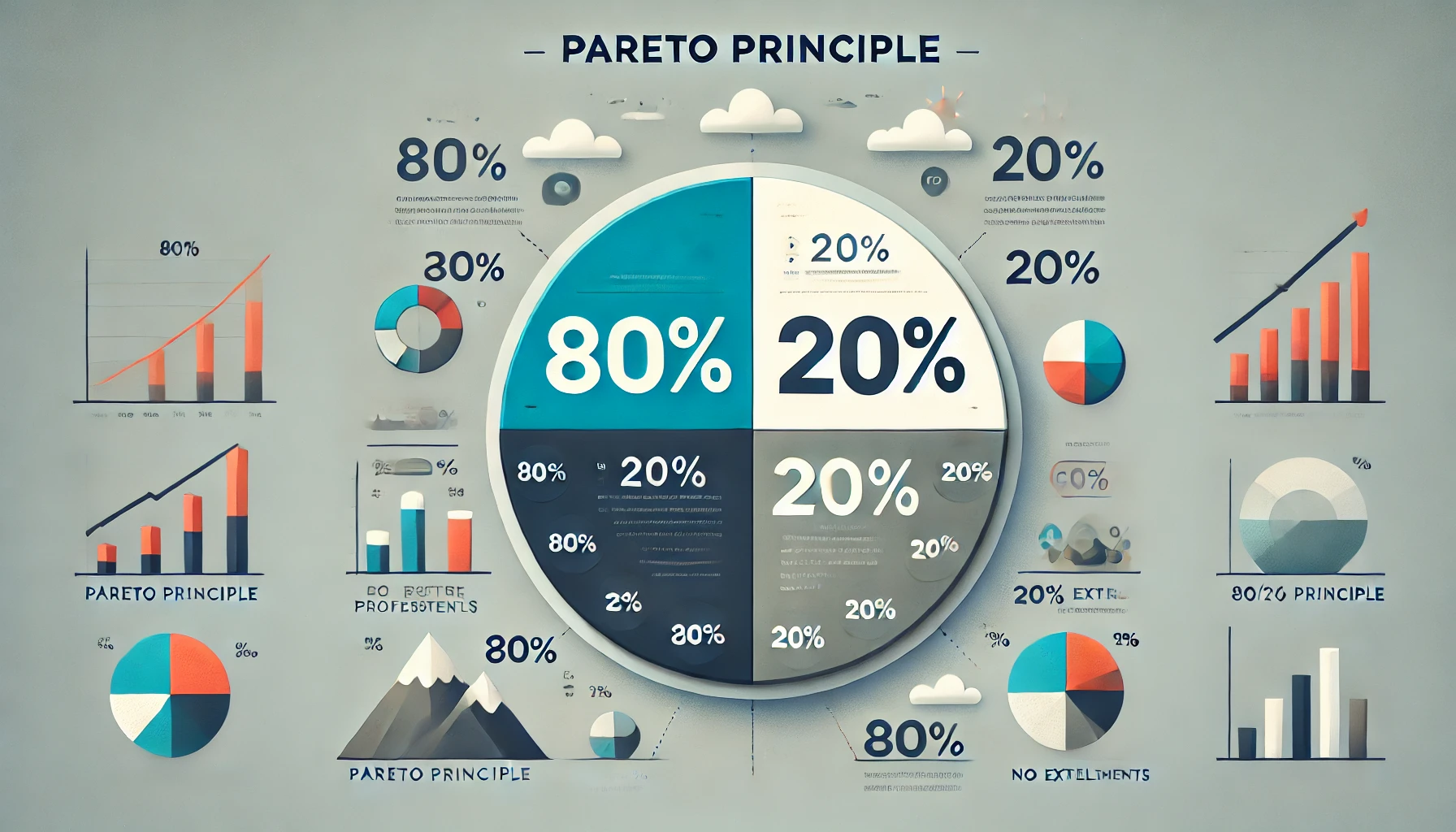
Ever feel like you’re burning the midnight oil but still not getting anywhere? You’re not alone. In the world of shared services, where efficiency is king, it’s crucial to cut through the noise. And let’s face it, in a sea of processes, data, and reports, we sometimes overlook the real game-changers. Enter Pareto Analysis, the nifty little tool that can shift your perspective on what really matters. What is Pareto Analysis? Think of Pareto Analysis as your efficiency compass. Named after the Italian economist Vilfredo Pareto, this method leverages the 80/20 rule. You know, the idea that 80% of your results come from just 20% of your efforts? In the context of Global Business Services (GBS), this means identifying the few processes or issues that cause the most significant impact, both positive and negative. By focusing your energies there, you can unlock efficiency and achieve process optimization. Why It Matters in GBS Let me share a quick story. When I was setting up a shared service center for a global organization a few years back, we got bogged down in countless processes, trying to optimize everything at once. It was chaos! But then we started digging deep into Pareto Analysis. We discovered that just three core processes were consuming 70% of our resources. By honing in on those areas, we streamlined operations significantly and saved the company thousands of hours annually. That’s the magic of Pareto Analysis—it helps you zero in on the impactful few instead of chasing the many. Steps to Conducting Pareto Analysis Identify and List Problems: Gather data on the processes you’re running. What are the bottlenecks? Where’s the delay? Collect Data: Quantify the impact. This includes time wasted, costs incurred, or risks attached. The clearer the data, the clearer the picture. Sort and Analyze: Organize this information from largest to smallest impact. Use charts or graphs—visuals help! They’re not just pretty decorations. Prioritize: Focus on that crucial 20%. What changes can you implement that will drive the most significant results? Implement Changes: Now comes the fun part—put those insights into action. Make changes where you know they’ll matter the most. The Real-World Impact: Case Studies Let’s break it down further with a couple of examples from my own experience. Finance Transformation: In one company, finance was a tangled web of approvals and paperwork. After conducting a Pareto Analysis, we identified that a few types of transactions accounted for over 75% of processing time. By automating these specific transactions, we slashed processing time by 60%. Customer Support Optimization: For another organization, we analyzed support tickets. Surprisingly, 80% of customer complaints stemmed from just two issues. Addressing these led to a 50% decrease in ticket volume. Less volume means a more focused team, better response times, and happier customers. Common Pitfalls to Avoid You’re probably thinking it all sounds great, but let’s keep it real. Here are some traps that you might fall into: Overlooking the Minor Processes: Sometimes, small issues can snowball. Avoid ignoring them completely. Involving Too Many Metrics: Don’t drown yourself in data. Less is more. Not Revisiting: Pareto is not a set-it-and-forget-it strategy. Reassess periodically. Processes evolve. Tools to Assist Your Efficiency Journey Ready to dive deeper into optimization? Here are a few tools that can help you conduct Pareto Analysis effectively: Excel: Good old Excel can be your best friend for creating charts and analyzing data. Tableau: Great for visualizing complex data in a digestible manner. Process Mapping Software: Tools like Lucidchart can help visualize current vs. streamlined processes. Transforming Mindsets As much as tools and strategies matter, remember that transformation starts with mindset. Encouraging your team to adopt a Pareto perspective is vital. Foster a culture of continuous improvement where every voice matters. Create an environment where team members are eager to bring their insights to the table. At the end of the day, it’s about finding that sweet spot between efficiency and satisfaction. A happy team is often an efficient one. Embrace the Change Unlocking efficiency doesn’t happen overnight. It’s a journey. But you have the tools at your disposal. With Pareto Analysis in your toolkit, you’re armed to tackle complexities and streamline processes. Take it one step at a time, and don’t hesitate to reach out to experts in shared services. The journey can be complex, but the rewards are absolutely worth it. Looking for more insights into transforming the shared services landscape? Check out THEGBSEDGE blog, where I dive deeper into strategies on innovation and leadership in GBS. Let’s continue engaging and transforming together!

Unlocking Efficiency: Pareto Analysis for GBS Process Optimization Read More »

Focused female rower engaged in a competitive rowing event on a sunny day.

Mastering Leadership: OKRs as Your Compass in Shared Services

Why Mastering Leadership with OKRs is Essential Let’s be real. When it comes to leading teams in shared services, we feel the weight of the responsibility every day. We’re managing people, processes, and expectations. We aim for excellence and alignment. But how do we ensure that everyone is on the same page? Here lies the magic of Objectives and Key Results, or OKRs. Think of OKRs as your compass, guiding your ship through the complexities of shared services and helping you navigate the currents of change. What Exactly Are OKRs? Picture this: you have a team full of talented individuals, each with their own goals and aspirations. But without a clear direction, it’s like herding cats, right? OKRs help to bring focus. They allow teams to set clear objectives and measurable results. Here’s how it breaks down: Objectives: These are the “what.” Define what you want to achieve. It should be inspiring and time-bound. Key Results: The “how.” These are specific metrics that measure progress towards achieving the objective. For example, let’s say your objective is “Enhance Customer Satisfaction.” Your key results could be: Increase customer satisfaction scores by 20% in Q1. Reduce response time to customer queries to under 24 hours. Achieve a Net Promoter Score (NPS) of 50 or above. OKRs as Your Leadership Compass Here’s where it gets cool. Using OKRs isn’t just about setting goals. It’s about creating a culture of accountability and transparency. When everyone knows the objectives and key results, they can align their day-to-day tasks with broader company goals. This alignment gives team members a sense of ownership. It shifts the mindset from “this is what I have to do” to “this is how I’m contributing to something bigger.” Real Talk: Leading Through Transformation We’re living through some wild times, especially in the shared services industry. Transformation isn’t just a buzzword; it’s a necessity. With advancements in technology and growing customer expectations, we must adapt and innovate. Implementing OKRs can serve as a guide during these transformative initiatives. They allow teams to pivot quickly and shift focus as needed. Story Time: A Shared Services Success Let me share a story from my own experience. I once led a large team during a massive restructuring phase. Objectives were vague, and everyone was lost. It wasn’t until we started using OKRs that things began to shift. We defined our objectives together as a team. Everyone contributed their insights and aspirations. By establishing clear key results, we saw improvements almost immediately. Not only did morale boost, but productivity surged. People weren’t just showing up to work; they were engaged. The Practical Magic of OKRs Ready to implement OKRs? Here’s how you can get started: Involve Your Team: Don’t do it alone. Make it a collaborative process. Be Clear and Specific: Define your objectives and key results clearly. Regular Check-Ins: Schedule regular updates to discuss progress and challenges. Stay Flexible: If something isn’t working, adapt your key results or objectives. Celebrate Successes: Acknowledge wins, no matter how small. It’s about building momentum. The Role of Leaders As leaders, we have the responsibility to foster an environment that encourages experimentation and growth. It’s not just about meeting quotas; it’s about creating a culture of learning. Emphasizing transparency and communication can transform how teams work together. OKRs become a tool for aligning these values. They help create a steady pulse in your organization, driving everybody toward shared success. Key Takeaways for Your Leadership Journey Focus on clarity: Clear OKRs bring focus and direction. Encourage ownership: Everyone knows how their work impacts the team’s success. Measure, adapt, and celebrate: Celebrate wins, large and small. Mastering leadership is a continuous journey. Using OKRs as your compass means you’re not just navigating a sea of tasks but steering your organization toward success. Embracing the Transformation The shared services landscape is evolving, and so must we. Embracing OKRs allows you to pivot quickly and adapt. Whether in process optimization or shared services transformation, having clear objectives is crucial. Empower Your Team with THEGBSEDGE For deeper insights into leadership and strategies that align with the current trends, check out THEGBSEDGE. Started by industry veteran Vikrant Aglawe, this blog is a goldmine for anyone in the shared services game. Final Thoughts Mastering leadership through OKRs is not just a strategy—it’s a collective mindset shift. Your team thrives when everyone is aligned, inspired, and empowered. So, grab that compass and set your course. The journey towards shared services excellence is just beginning.

Mastering Leadership: OKRs as Your Compass in Shared Services Read More »

Person immersed in virtual reality with bright neon lights showcasing a futuristic experience.

Leveling Up Shared Services: Gamification for Team Engagement

Let’s face it: making shared services teams engaged and motivated often feels like trying to push a boulder uphill. You have the right people, the right processes, and yet, something’s off. You want your team to thrive, to be totally invested in their work. So, what can you do? Here’s where the magic of gamification steps in, and trust me, it’s a game-changer. Why Gamification? In a world saturated with monotonous tasks and endless spreadsheets, making work more engaging is crucial. Think about it—how many times have you heard people grumbling about their workloads? The truth is, we all crave a little fun, motivation, and recognition. Gamification isn’t just about badges and leaderboards (though those are fun, too). It’s about transforming work into a challenge that people want to take on. When you wrap a little competition and collaboration around daily tasks, engagement skyrockets. How Does Gamification Work in Shared Services? Let’s break this down into actionable steps: Define Goals Clearly: You can’t play a game if you don’t know the rules. Set clear, measurable goals for your team. Incorporate Challenges and Rewards: Create challenges around daily tasks. Give recognition for completing projects ahead of time or innovating processes. Engage Through Friendly Competition: Consider leaderboards. These can be successful in driving engagement—everyone likes a little friendly rivalry. Use Technology: Implement software tools that support gamification features. Think points, badges, and levels to keep things exciting. Foster Collaboration: Design team-based challenges that encourage collaboration. Working together often breeds camaraderie. A Quick Win Example Imagine rolling out a monthly challenge where team members earn points for reducing response times. The catch? They can’t just race to be the fastest. Encouragement for team support and knowledge sharing drives engagement. The goal? Not just completing tasks but embedding a culture of collaboration. It’s all about balancing competition with teamwork. Stretching Our Comfort Zones I remember a time when I led a shared services team that struggled to meet month-end deadlines. People were stressed, and the energy in the room was about as uplifting as a flat tire. We decided to turn the month-end process into a competition. Teams could earn points based on speed and accuracy. The laughter, the light-hearted teasing—it transformed everything. Honestly, I was blown away by the results. Not only did we meet our deadlines ahead of schedule, but the morale of the team shot through the roof. Who knew a little gamification could stir such a shift? Overcoming Challenges in Implementation Now, don’t get me wrong; introducing gamification isn’t without hurdles. You might run into: Apathy from Team Members: Some might roll their eyes at the idea of ‘playing games’ at work. Technology Issues: Not everyone is tech-savvy. Make sure that tools are user-friendly. Resistance to Change: Change can be tough, so communication is key. Make sure everyone is on the same page. Overcoming these barriers requires patience. You want to keep nudging your team toward engaging with the process and offering constant feedback. Measuring Success Here’s the thing: introducing gamification is only half the battle. Measuring success is crucial. Establish metrics well before implementation: Track participation rates in gamified activities. Measure productivity improvements post-implementation. Evaluate employee satisfaction surveys before and after gamification. Adjusting based on what you learn keeps the initiative fresh and engaging for everyone involved. Real Stories from the Trenches I spoke to a few colleagues in the industry about their experiences with gamification. Here’s what they had to say: One shared a story about a finance team that gamified the invoice approval process. They specified rewards for teams who got approvals through quickly and with minimal errors. The competitive spirit turned mundane tasks into exciting races, leading to a remarkable drop in processing time! Another colleague highlighted how a customer service department saw a spike in client satisfaction ratings after introducing a tiered rewards system for response quality. This kind of positive reinforcement kept team members on their toes and raised the bar across the board. Join the Movement So, if you’re looking to elevate your shared services game, embracing gamification might just be the path to take. Not only does it spice things up, but it increases team engagement, performance, and satisfaction. If you’re curious about more insights, make sure to head over to THEGBSEDGE, where I regularly share my thoughts on shared services transformation, innovation, and leadership. Keeping the conversation going means your journey in shared services will be continuously evolving and improving. Team engagement can genuinely transform your operational effectiveness and create a vibrant culture. So, what’s your next step? Are you ready to implement gamification and take team engagement to new heights?

Leveling Up Shared Services: Gamification for Team Engagement Read More »

Close-up of a fish skeleton displayed against a black backdrop.

Unraveling GBS Challenges: Fishbone Diagrams for Root Cause Analysis

Do you ever sit back and wonder what really lies beneath the surface of your GBS challenges? Every shared services expert has been there: tangled in a web of issues, looking for that one thread to pull that unravels everything. Let’s face it, root cause analysis isn’t just a buzzword; it’s a lifeline. It goes beyond band-aid fixes. Understanding the real issues is essential for driving true transformation. That’s where fishbone diagrams come into play. They’re like that map you need when you’re lost in the woods. They’re simple yet powerful tools for uncovering problems and their causes. In my 20+ years in the outsourcing and offshoring game, I’ve set up and led multiple large-scale shared service centers. I’ve seen the chaos caused by not addressing the root of the issue. Let’s dish out some easy tips on how to effectively use fishbone diagrams for your GBS challenges. Understanding the Fishbone Diagram So, what’s a fishbone diagram? Also known as the Ishikawa diagram, it’s a visual tool that helps you figure out potential causes of a problem. Think of it as the spine of a fish. Each bone represents a category of potential causes. Unlike other charts, it gives you a bird’s-eye view of what’s really going wrong. This is crucial in shared services transformation. You know how it feels when your team is stuck in endless meetings trying to pinpoint issues? The beauty of a fishbone diagram is that it cuts through chaos, letting you see potential causes in one glance. Setting the Stage for Root Cause Analysis Let’s make this practical Imagine you’re facing a decline in customer satisfaction in your shared services center. What do you do? You grab your markers and a whiteboard. Start by writing down the problem at the head of the fish. Draw a long arrow to represent the spine. Now comes the fun part. You’ll label the “bones”! Some common categories include: People Processes Technologies External Factors Inside each category, brainstorm possible causes. For instance, under ‘Processes’, you might identify issues like inefficiencies or outdated procedures. Under ‘People’, you could pinpoint lack of training. Every idea matters here. The goal is to get everything out in the open. Collaborative Efforts: Bring Your Team Along This isn’t a Lone Ranger mission. Gather your team and make it a collaborative affair. Everyone’s perspective counts. When you encourage open dialogue, you’ll often uncover insights that might not emerge in a more formal setting. Facilitate discussions and keep it engaging. Use sticky notes for an interactive element. Let folks jot down their ideas and stick them on the chart. This not only boosts morale but also cultivates a culture where everyone feels valued. Changing the narrative around root cause analysis in shared services isn’t just smart—it’s essential. Analyze the Diagram: Spotting Trends and Avenues for Improvement After you’ve fleshed it out, step back. Look for patterns. Which categories are most cluttered? These are areas that need attention. For example, if the ‘Processes’ category is overflowing, the focus should shift to process optimization. Prioritize these in your action plan. Breaking down these calls for action into manageable tasks is key. Here’s a quick formula: List potential solutions. Assign ownership. Set timelines. This structured approach helps keep your team on the same page and propels transformation efforts. Testing and Implementing Solutions Alright, you’ve spotted the issues and created an action plan. But are you ready to pull the trigger on implementing changes? This can be a bumpy ride, but it’s totally doable. Involve your team in testing solutions. Get their feedback early. It builds trust and ensures you’re on the right track. Start small with pilot programs. Measure results before fully rolling out. Like with any project in the shared services arena, flexibility is key. Adjust based on feedback and keep iterating until you hit the sweet spot. Document and Share: Building a Knowledge Base for Future Challenges Once you’ve successfully rolled out improvements, don’t just dust your hands and walk away. Document everything! Create a knowledge base. This isn’t just for current issues; it’s gold for future challenges. Share your findings with the broader organization. Encourage other teams to adopt fishbone diagrams for their challenges. This sharing enriches organizational knowledge and helps diffuse innovation across the board. Remember, in shared services, we’re all in this together. Wrap Up: Embrace the Journey Using fishbone diagrams for root cause analysis is a game-changer in tackling your GBS challenges. It’s about tearing down silos, encouraging collaboration, and fostering a culture that welcomes change. With the right approach, you can turn problems into opportunities. Your shared service center is more than just a cog in the corporate machine. It’s a hub for innovation, transformation, and leadership. As you dive deeper into your journey, remember this: the goal is continuous improvement. Lean on your experiences, leverage collaborative efforts, and embrace the ongoing learning that comes with navigating these challenges. And if you’re looking for more diverse insights and resources around GBS, process excellence, and shared services transformation, check out THEGBSEDGE blog. It’s a treasure trove of wisdom that I’m proud to share with you. Let’s tackle those challenges together—armed with fishbone diagrams and a determination to drive real change!

Unraveling GBS Challenges: Fishbone Diagrams for Root Cause Analysis Read More »

A group of diverse young professionals happily collaborating around a laptop indoors.

Transformational Leadership in GBS: Unlocking Team Potential

Ever sat in a meeting, feeling the weight of your team’s potential just hovering above? You want to break through, but something’s holding everyone back. Frustrating, right? You’re not alone. Many in shared services grapple with this challenge every day. The good news? It boils down to one powerful concept—transformational leadership. What is Transformational Leadership? Transformational leadership isn’t just a fancy term thrown around in corporate jargon. It’s about inspiring and motivating a team to exceed their limits. Think of great leaders in your life—what made them memorable? Their passion? Their vision? Their ability to elevate everyone around them? In GBS—Global Business Services—it’s crucial. When leaders embrace this style, they unlock team potential, creating a culture of innovation and continuous improvement. So how does this play out in the real world? Key Traits of Transformational Leaders Vision: They see beyond the immediate and articulate a future that excites everyone. Empathy: They genuinely care about team members’ well-being and growth. Inclusivity: They foster an environment where everyone’s voice matters. Adaptability: They thrive in change, modeling resilience and flexibility. Communication: They can convey complex ideas simply, keeping everyone on the same page. Transformational Leadership in Action Let me share a story that illustrates this nicely. A few years back, I was tasked with leading a large-scale shared services center for a global organization. On initial inspection, team morale was low. Task lists were long, and everyone seemed burned out. Rather than diving straight into numbers and processes, I focused on what transformative leadership means. I held open forums. I wanted to hear experiences, frustrations, and dreams. Those sessions? Pure gold. Trust blossomed, and in turn, so did creativity. We brainstormed ideas for process optimization that hadn’t even been considered before. The team moved from “Oh, we have to do this” to “Wow, we can do this!” That’s the magic of transformational leadership—it shifts mindsets. Building a Culture of Innovation A big part of unlocking team potential lies in fostering a culture that promotes innovation. Here’s how you do it: Encourage Experimentation: Mistakes are learning opportunities. Create a safe space for team members to try out new ideas. Recognize Contributions: Celebrate successes, big or small. People need to feel their hard work gets acknowledged. Promote Collaboration: Encourage cross-departmental projects. Sometimes, the best ideas arise from diverse groups. Provide Development Opportunities: Invest in training and upskilling. Give your team the tools they need to succeed. Real-World Applications of Transformational Leadership One clear takeaway from transformational leadership is the real-world impact it can have on performance metrics. Let’s get specific: Improved Engagement: Teams that feel valued are more attentive and proactive. You’ll see a noticeable spike in participation rates during meetings. Enhanced Productivity: When people are motivated, they deliver faster. Optimizing processes isn’t just about streamlining tasks—it’s about invigorating the team. Better Retention Rates: High employee turnover? Not on a transformational leader’s watch. When team members feel connected to their work and team, they stay. The Role of Shared Services in Transformation Now, let’s steer this back to shared services and the importance of transformational leadership within that context. The shared services model is meant to create efficiency and smooth operations across various functions. But, without transformational leadership, it can fall flat. Here’s how leadership drives transformation: Aligning Goals: Leaders clarify the mission and align team objectives with overarching company goals. Streamlining Processes: They lead initiatives aimed at process improvement, ensuring everyone’s on board with the changes. Managing Change: Leaders help teams navigate through changes, reducing resistance by communicating openly about transformations. Personal Takeaways As I’ve moved through various roles, a consistent pattern emerges: teams thrive under leaders who engage, uplift, and inspire. When you harness the energy of transformational leadership, you’re not just managing a team; you’re nurturing a community that is collectively invested in success. This isn’t a one-size-fits-all scenario. You might need to adjust your approach depending on your team’s unique dynamics. But remember, the goal is the same—unlocking potential. Think about that for a moment. What’s your vision for your team? What’s holding them back? Channel that energy into becoming that transformational leader. Want to Know More? If this resonates with you, and you’re eager to dive deeper into the world of shared services transformation, check out THEGBSEDGE blog. This platform is tailored for insights on innovation and leadership trends that can catapult your career and your team’s performance. Let’s face it, the shared services landscape is evolving rapidly. To keep pace, we need to be ahead of the curve, ready to adapt and grow. So, take this chance to be that leader who drives change, empowers teams, and shapes the future of shared services. Imagine what your team could achieve if they felt truly looked after and empowered. That’s the question to reflect on as you move forward. Transformational leadership in GBS is not just a leadership style; it’s a commitment to fostering a culture of empowerment and growth. Let’s make that shift together. For more on transformation, innovation, and leadership, visit THEGBSEDGE. Together, let’s unlock that potential!

Transformational Leadership in GBS: Unlocking Team Potential Read More »

Organized business tools with a smartphone, documents, and stationery in a flat lay format.

Mastering Cost-to-Serve in GBS: Strategic Insights for Efficiency

Mastering Cost-to-Serve in GBS: A Game-Changer for Efficiency What’s the real cost of serving your customers? It’s a question that keeps me up at night. If you’re in shared services, you’ve probably wrestled with this too. With 20+ years in the shared services arena, I can tell you… figuring out Cost-to-Serve is not just important—it’s crucial. Think about it. Every decision, every process impacts your bottom line. But here’s the kicker: most teams look at costs in silos, forgetting to consider the bigger picture. Instead, what if we took a holistic view? What if we looked beyond just operational efficiencies? Understanding the Cost-to-Serve Landscape Cost-to-Serve goes beyond just calculating the costs associated with products or services. It’s about understanding how your entire operational model impacts customer relationships. By grasping this, you get insights that can fuel smarter decisions. Here’s what you need to cover: Identify all associated costs: shipping, handling, customer support. Analyze customer behavior: how frequently do they purchase? Understand profitability: are you making enough from each account? You need to be exceptionally clear about every dime you’re spending to serve each client. And let me remind you—this isn’t just a dry exercise in number-crunching. This is about painting a vivid picture of what your service offering truly costs. And from there, you can make adjustments that leave your customers happier and your books healthier. Bringing Structure to Chaos You might be thinking: “Sounds like a lot of work.” Believe me; I get it. But without a structured approach, you’re just inviting chaos into the system. I’ve seen it time and time again—companies running blind, not knowing where their money is going. Here’s a step-by-step approach I recommend: Map Out Processes: Sit down and draw out your customer journey for various segments. Collect Data: Don’t just stick to numbers; gather qualitative feedback as well. Engage Teams: Get everyone on board. That means sales, customer support, and finance. Analyze and Adapt: Use tools like data analytics software to spot trends. Following these steps boosts clarity and bridges the gap between teams, ensuring everyone knows the costs involved. Maximizing Efficiency Now, let’s get down to brass tacks—how do we actually improve efficiency once we understand our costs? It’s not about cutting corners; it’s about making smart moves: Automate Repetitive Tasks: Free up your team’s time for value-added work. Invest in Training: A skilled workforce leads to less mistakes and faster processes. Leverage Technology: Use tools that help track and analyze costs in real time. You think you’re saving by doing it the old way? Trust me, the time wasted won’t be worth it. Embrace the tech; embrace better practices. The Human Element in Cost-to-Serve Let’s unpack a big piece here—the human factor. At the end of the day, your customers aren’t just numbers. They are people with needs and preferences. The more you understand them, the better service you can provide. Here’s what helps: Customer Feedback: Never underestimate the power of a simple survey. Personalization: Tailor offerings based on individual needs. Proactive Communication: Keep clients in the loop rather than waiting for them to ask. When was the last time you reached out just to check in? It could make a ton of difference. Driving Continuous Improvement The journey doesn’t end once you’ve mastered Cost-to-Serve. This is about establishing a culture of continuous improvement. Think of it this way: you’re not just shaping a department; you’re driving a movement. Some ideas to consider: Regular Reviews: Have monthly or quarterly check-ins on metrics. Celebrate Success: Acknowledge team efforts in optimizing processes. Be Open to Feedback: After all, it’s a journey of mutual growth. Check out the Process Excellence section at THEGBSEDGE for more on improving those systems. Bringing It All Together So, let’s recap. Mastering Cost-to-Serve in GBS doesn’t have to feel overwhelming. With a structured approach, savvy tech use, and a focus on people, you’re well on your way to greater efficiency. As we wrap this up, remember: – Analyze your costs. – Act on the data. – Keep that human touch. Get your teams together, and start honing in on where you can cut costs without sacrificing service quality. For deeper insights, head over to the THEGBSEDGE blog. We’re dishing out actionable insights for every shared services pro with a passion for transformation and efficiency.

Mastering Cost-to-Serve in GBS: Strategic Insights for Efficiency Read More »

A group of professionals engaging in a training session in a modern office setting.

Navigating Workforce Development Trends in Shared Services

Let’s face it: the shared services landscape is a whirlwind of changes. Are you keeping up? Now, if you’re anything like me, you have probably spent late nights worrying—how do we adapt to these workforce development trends? How can we ensure that our teams are not just surviving but thriving amidst transformation? I’ve been in this game for over 20 years, setting up shared service centers for global organizations, so I get it. When you’re on the front lines, you’re not just managing tasks; you’re nurturing a workforce. It’s all about unlocking potential and fostering an environment where people can excel and feel valued. Understanding the Shift: What’s Happening? There are a few key workforce development trends that are shaking things up in shared services today. Remote Work Revolution: What was once a necessity during the COVID-19 pandemic has now turned into a permanent transition. Remote work isn’t just a buzzword—it’s here to stay. Are we equipped to manage a team that’s spread across various locations? Focus on Upskilling: The pace of change in technology means our teams must constantly learn and adapt. Upskilling isn’t just a trend—it’s a requirement. Are we providing our people the right resources to grow? Employee Wellbeing as Priority: A satisfied employee is a productive employee. Are we doing enough to ensure our teams feel supported? Mental health and wellbeing are no longer secondary considerations; they’re front and center in workforce strategy. The Human Side of Transformation Here’s where it gets interesting. We’ve all seen the stats: organizations who focus on people in their transformation efforts will outperform their competition. But what does that mean for us, the ones running the shared services? It means we have to take a deep breath and embrace the fact that this is about people, not just processes. Every change we implement should be viewed through the lens of how it impacts our teams. The aim isn’t merely operational efficiency; it’s to create a shared service culture that fosters innovation and engagement. I recall working with a client where we revamped their onboarding process—not just because it was outdated, but because we wanted new hires to truly feel part of the family, right from the get-go. The result? An increase in retention rates and a palpable shift in morale. Actionable Insights for Navigating Trends No fluff—just the good stuff. Here’s how you can effectively navigate workforce development trends in shared services: Invest in Technology: Embrace automation and AI—not to replace teams but to empower them. For instance, if you automate repetitive tasks, your associates can focus on higher-value work. Foster Continuous Learning: Create a culture of learning where upskilling is part of the daily grind. Implement regular training sessions and encourage employees to attend workshops to enhance their skills. Enhance Communication: In a remote work setting, maintaining clear channels of communication is vital. Leverage tools like Slack or MS Teams to keep the conversations flowing. Embed Feedback Loops: Regularly solicit feedback from your teams about processes and changes. Make them feel heard; it’s their insights that can inform successful practices. Prioritize Wellbeing Programs: Offer mental health days, workshops, and resources to support your team’s well-being. Help them balance work and life effectively; they’ll thank you for it. The Role of Leadership Leadership plays a pivotal role in guiding teams through these developments. Transparent communication is key. Share your vision and let your team know how they fit into it. I’ve always believed in leading with empathy—trust grows when leaders are authentic and genuinely care about the people they work with. For example, during a significant shift in one organization, I held regular town hall sessions to address concerns and provide updates. This approach not only kept everyone in the loop but also built trust. Sharing Success Stories Let’s amplify what works. When your team successfully adapts to a new process or technology, celebrate it! Recognizing achievements, no matter how small, creates a culture of positivity. It boosts morale and encourages others to engage more actively in ongoing changes. The Power of Community Look beyond just your organization. Engage with the broader shared services community. Attend webinars, collaborate on projects, share case studies—because when we come together, we all grow. Heartfelt conversations with peers have often sparked ideas that lead to innovations in our practices. Consider checking out The GBS Edge for insights from industry experts. Join the Journey Remember, adapting to workforce trends isn’t a sprint—it’s a marathon. Patience is an asset as you navigate these changes. It’s about evolving with your people. Gather insights consistently and don’t hesitate to pivot when necessary. At the end of the day, it all boils down to people. If you want your shared services to thrive, investing in your workforce is critical. Let’s nurture their growth and encourage an environment where they feel empowered to shine. Check out The GBS Edge for more resources. Engage, learn, and help shape the future of shared services. Together, we can turn these workforce development trends into opportunities for growth.

Navigating Workforce Development Trends in Shared Services Read More »

Scroll to Top